Visit AaBET Hospital, reunion with Black Lion docs

Friday, Jan 27

This is one of a five part series of a visit to Mekelle, Tigray and Addis Ababa in January 2024. Below are links to the series, or you can just follow the “next” and “previous” links at the bottom. You can send a message to the author here.

  1. Arrival at Mekelle
  2. Visit Ayder and Awash Military hospitals
  3. Visit Ayder hospital operating rooms, ortho outpatient clinic, and Mekelle prosthetic center
  4. Visit Mekelle University
  5. Visit AaBET hospital, reunion with Black Lion docs

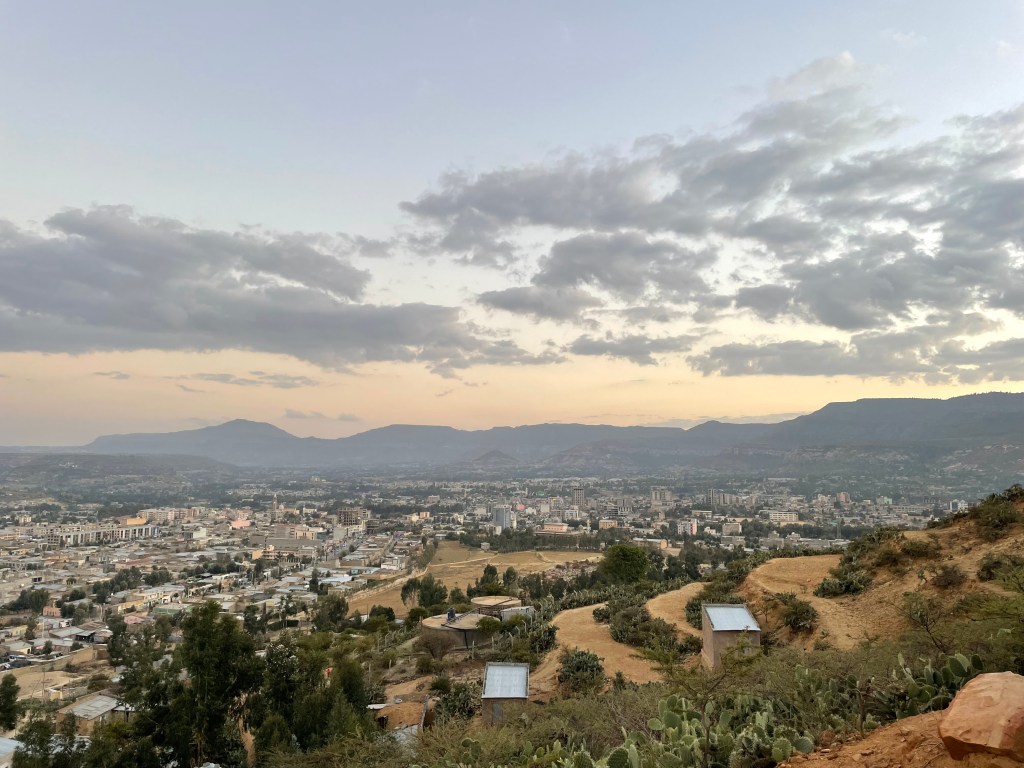
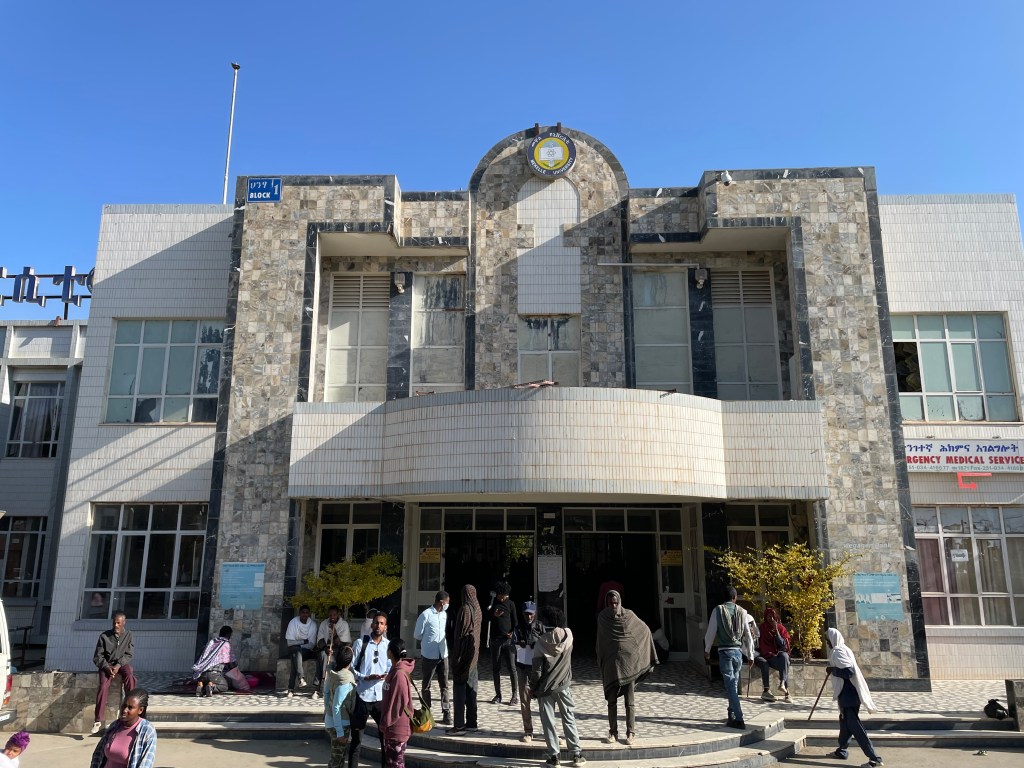
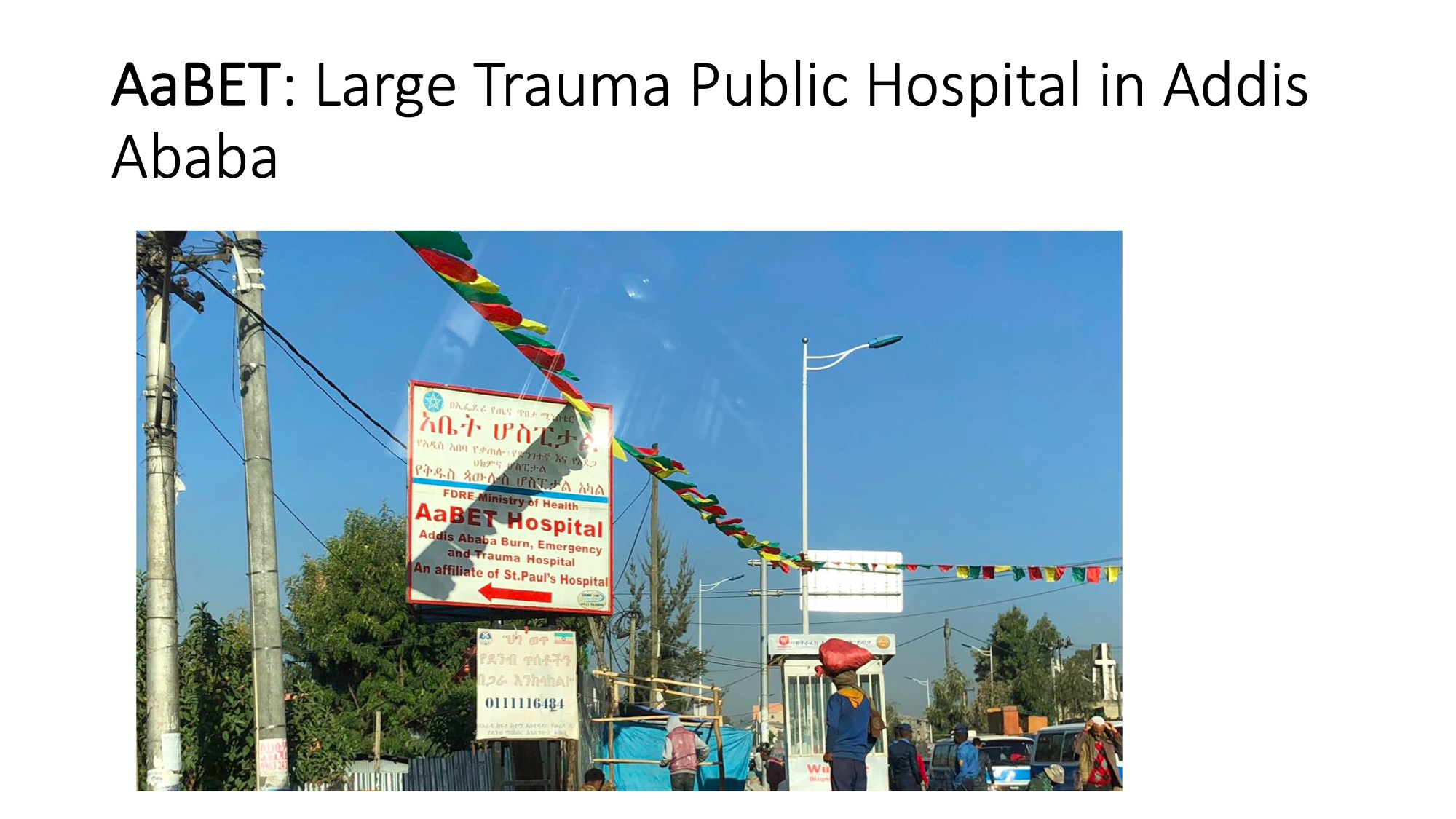
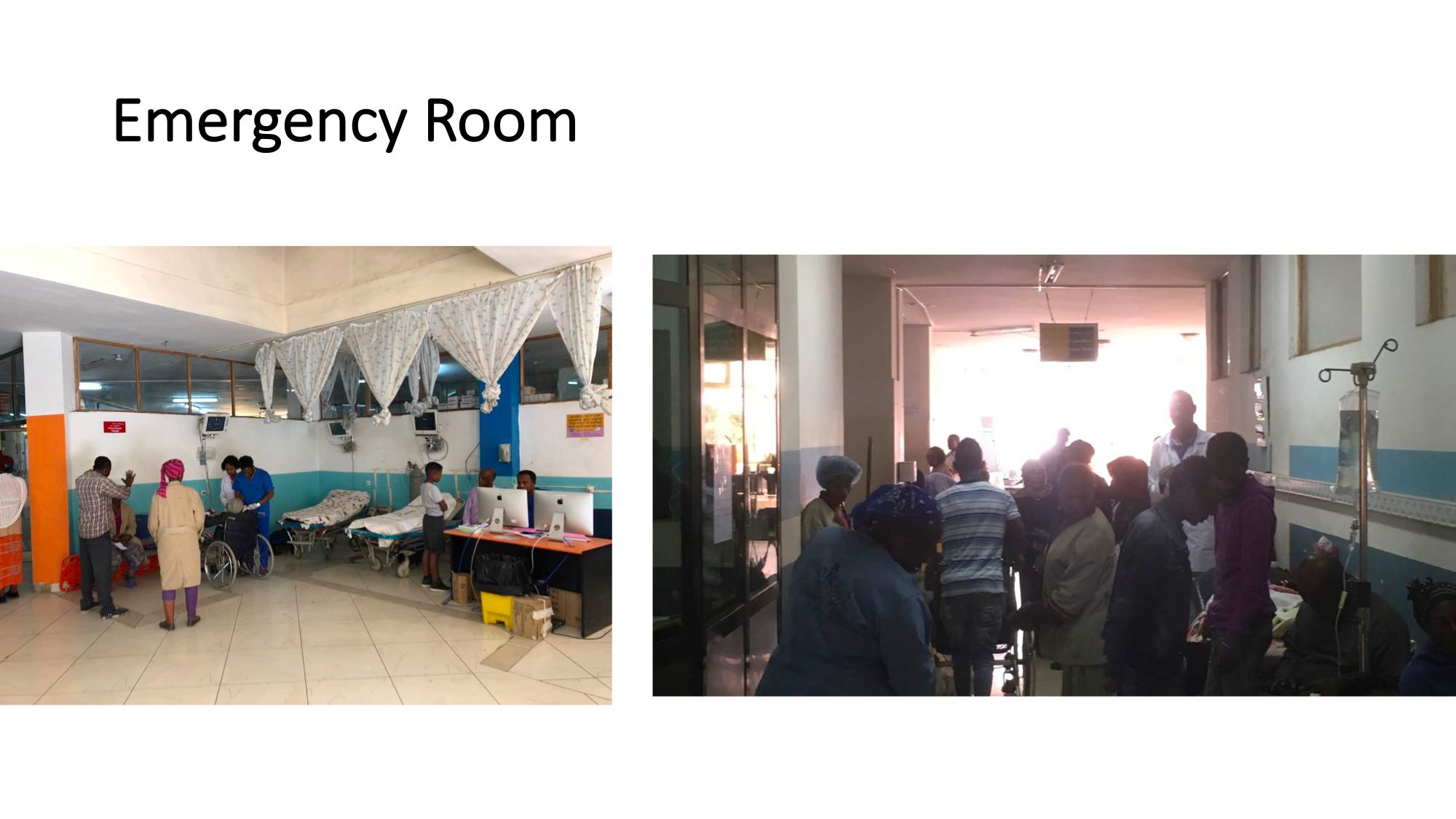
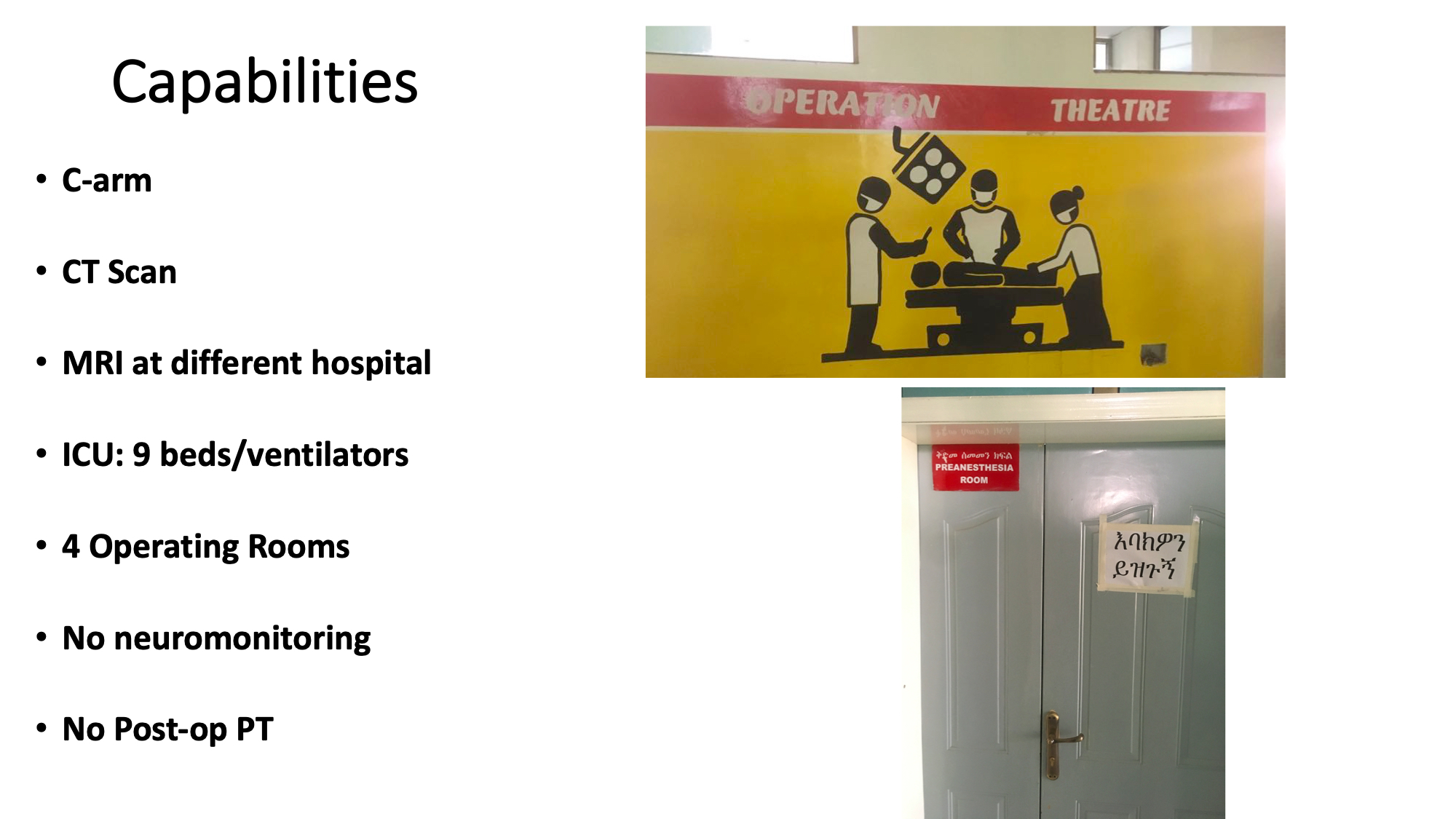
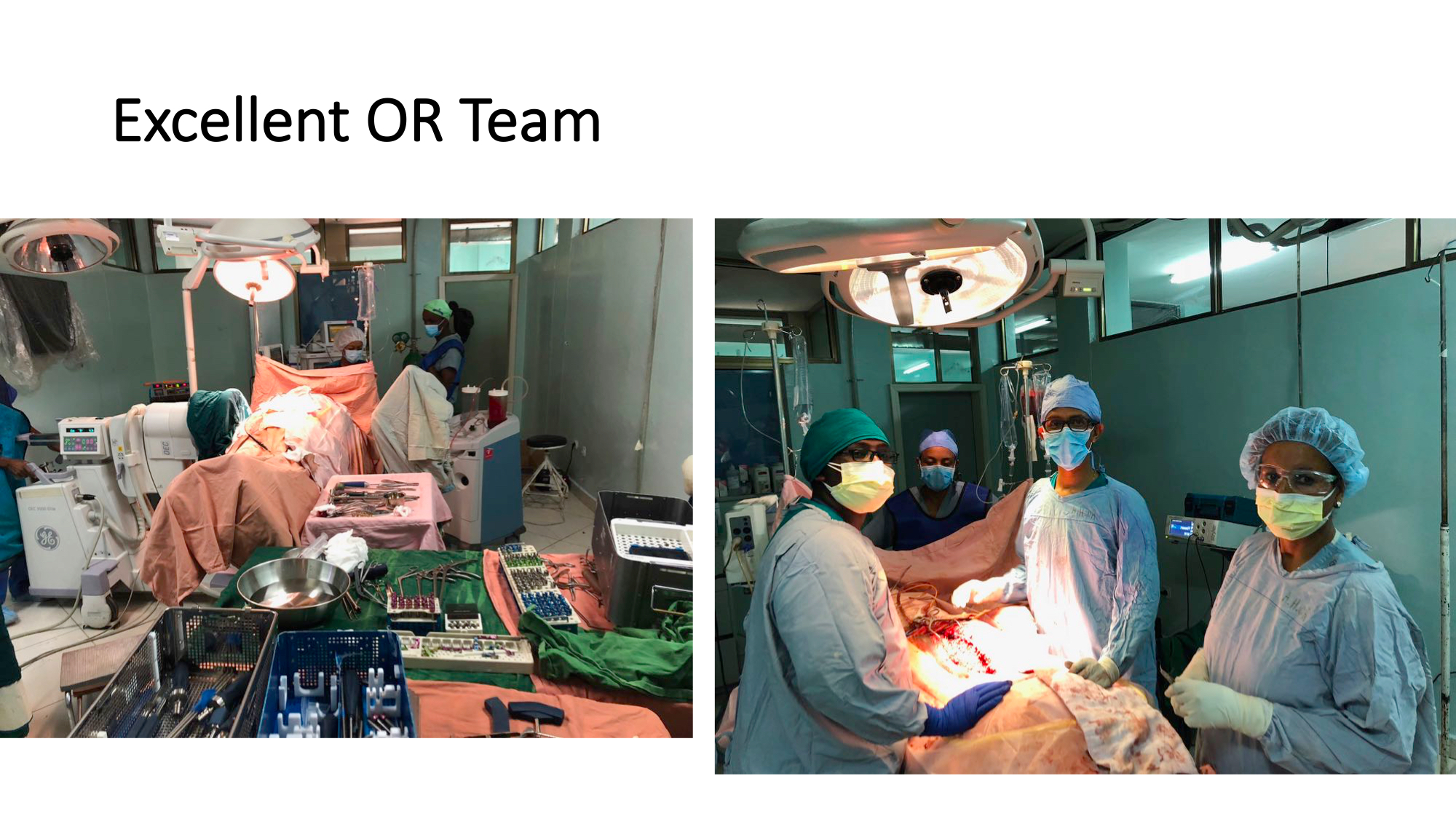
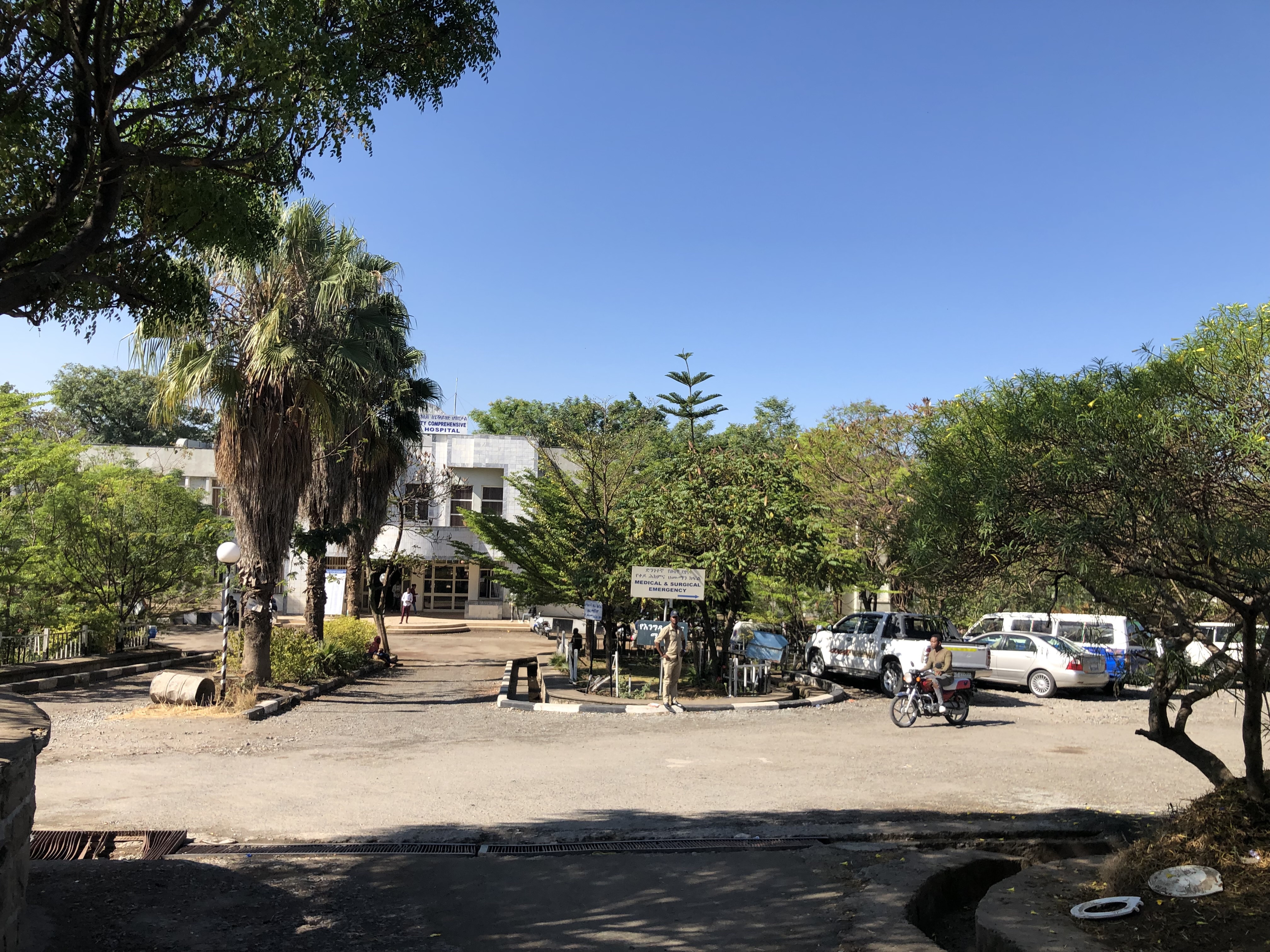
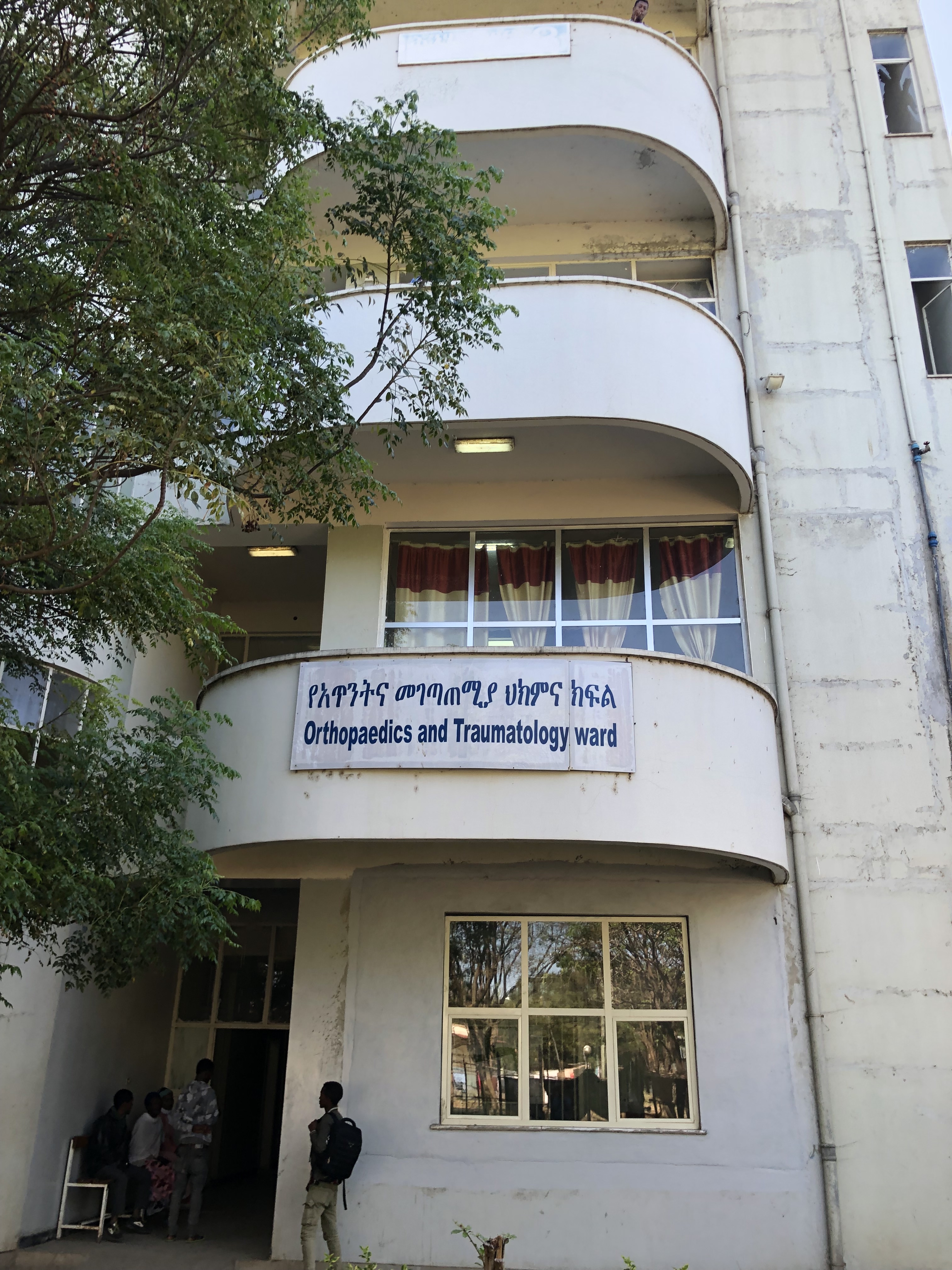
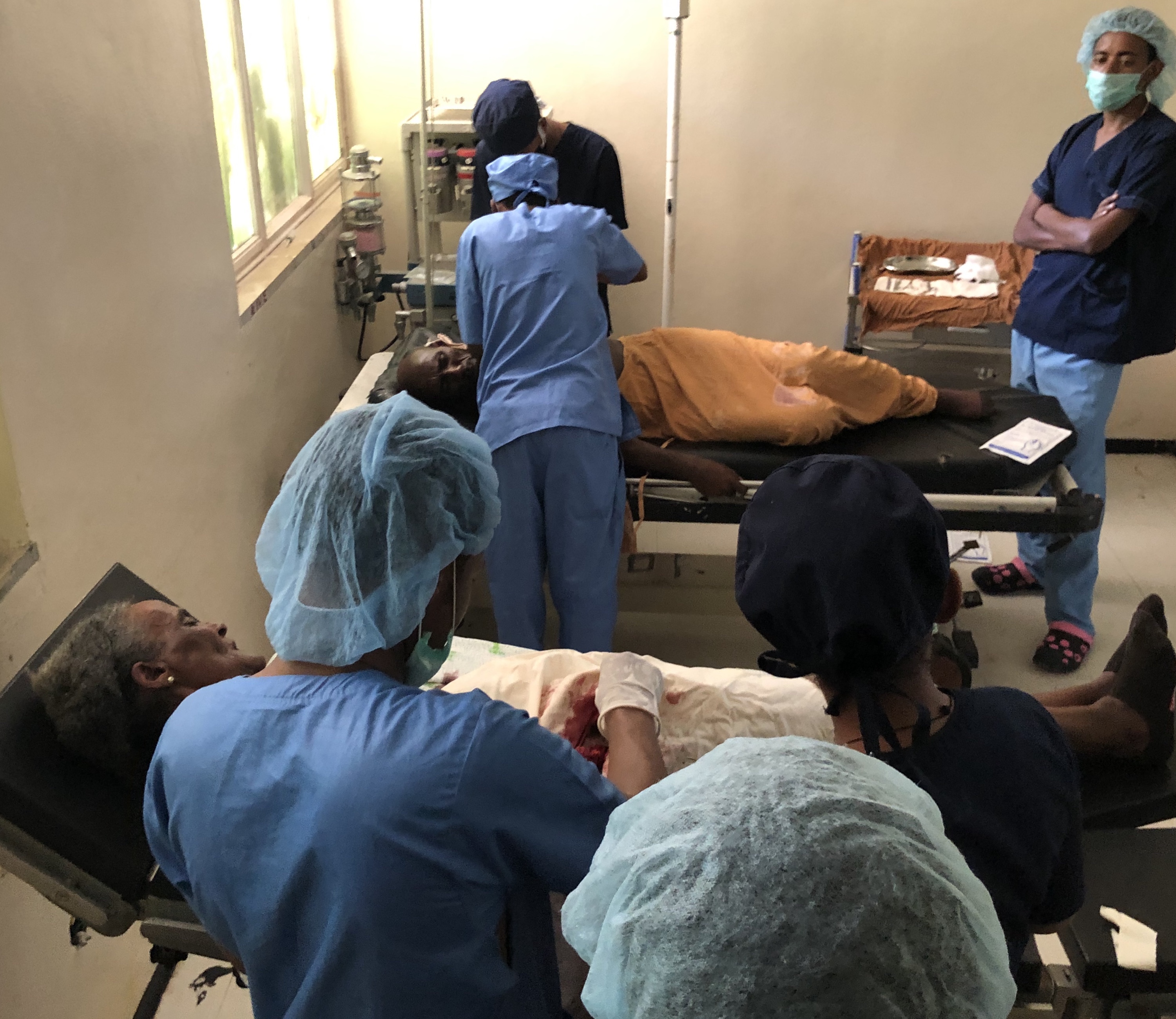
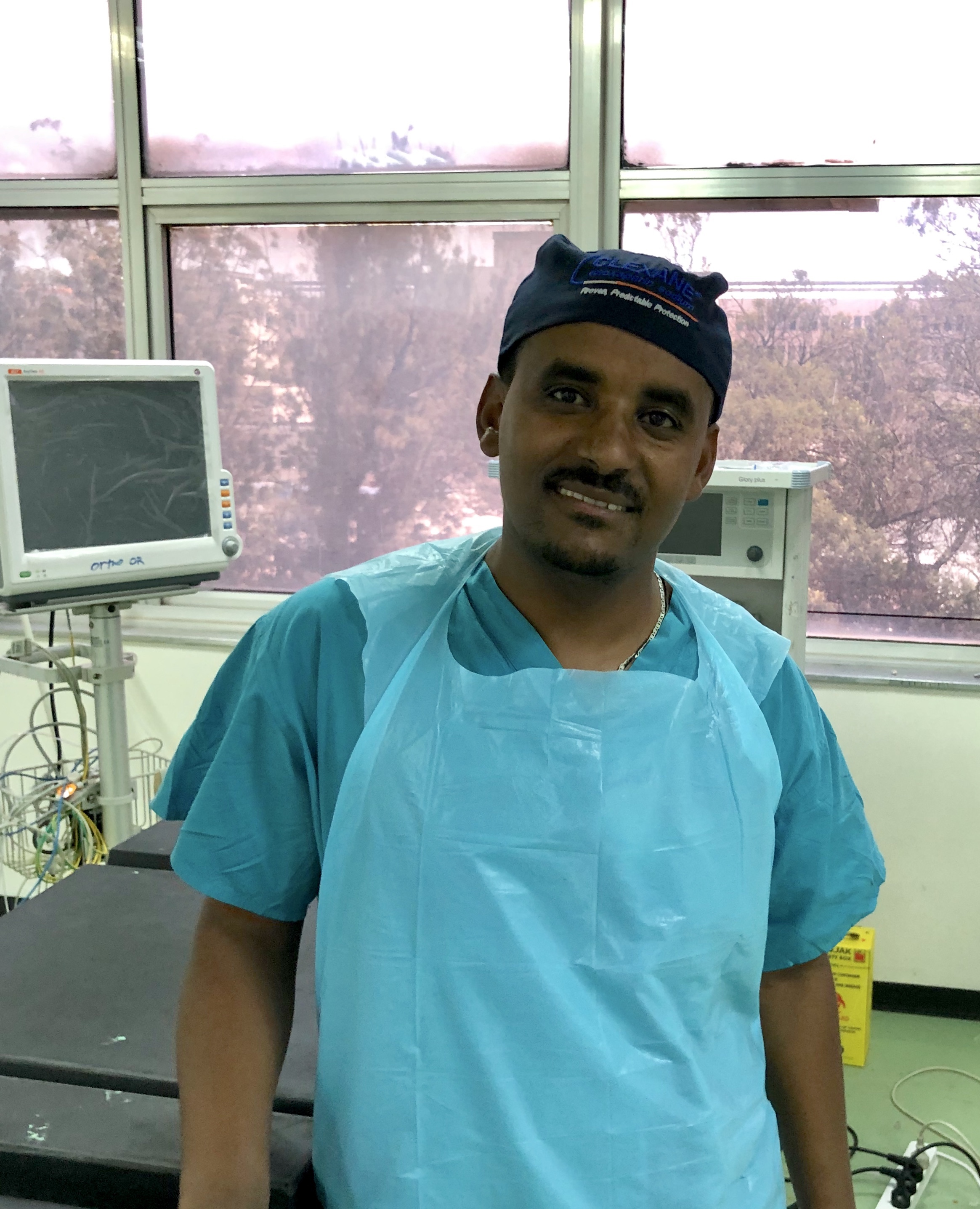
On returning to Addis, I went directly to AaBET hospital, which I had visited in 2019 with a small team of docs. Dr Mamo was my host then, and it was great to see him again and catch up. Five years ago, when I arrived, there was no sports orthopedist in the country. At that time, Dr Mamo was about to complete his sports fellowship in Egypt. Dr. Wiemi Douoguih from Washignton DC was part of our team and very generously donated an arthroscopy tower and some knee ligament reconstruction implants. A couple of years later, I sent another supply of implants when they ran out. The hospital was able to provide them new cameras when they were needed.

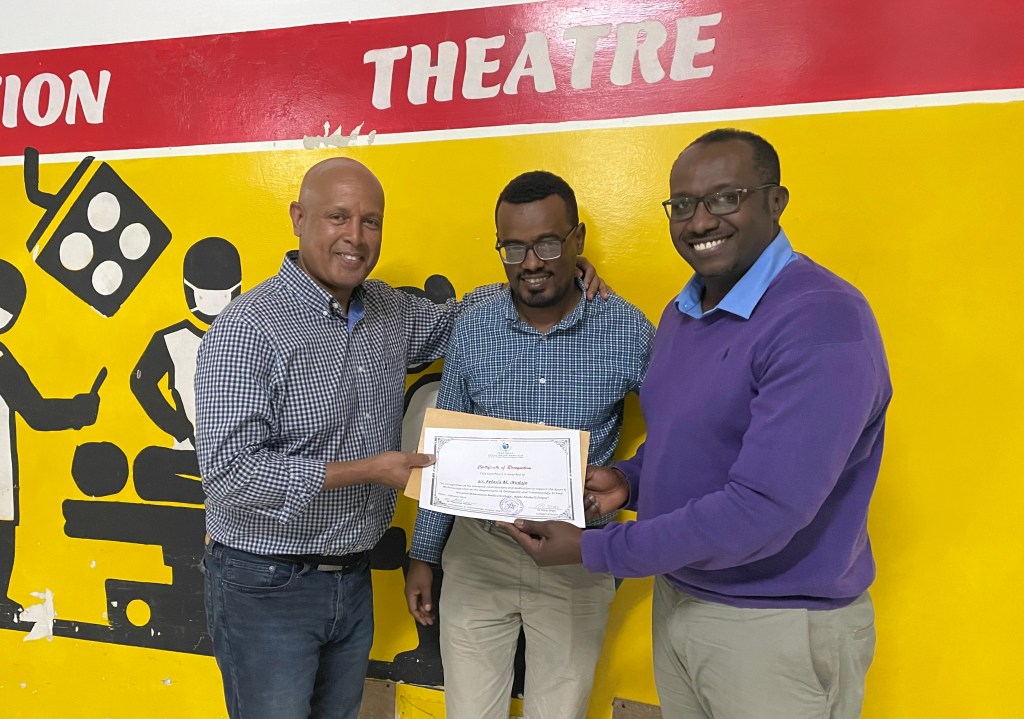
Dr Mamo started a sports orthopedics program from scratch on his return, using the arthroscopy equipment and implants. Shortly after, he was joined by another sports fellowship grad. Initially they had no patients, but little by little their practice started to pick up. In a few years, they had more patients than they could handle and now have a 1000 patient waiting list. While I was visiting, Dr Mamo learned that the Ethiopian Sports Federation wants to partner with them to send their athletes directly to them. It was amazing to hear how a little help led to such a big effect. The CEO of the hospital came by to join us and then presented to me a certificate of thanks, which was unexpected. Currently, because they’ve run out of implants and have a broken shaver head, so they are not doing arthroscopies. I am going to try to get them replacements.
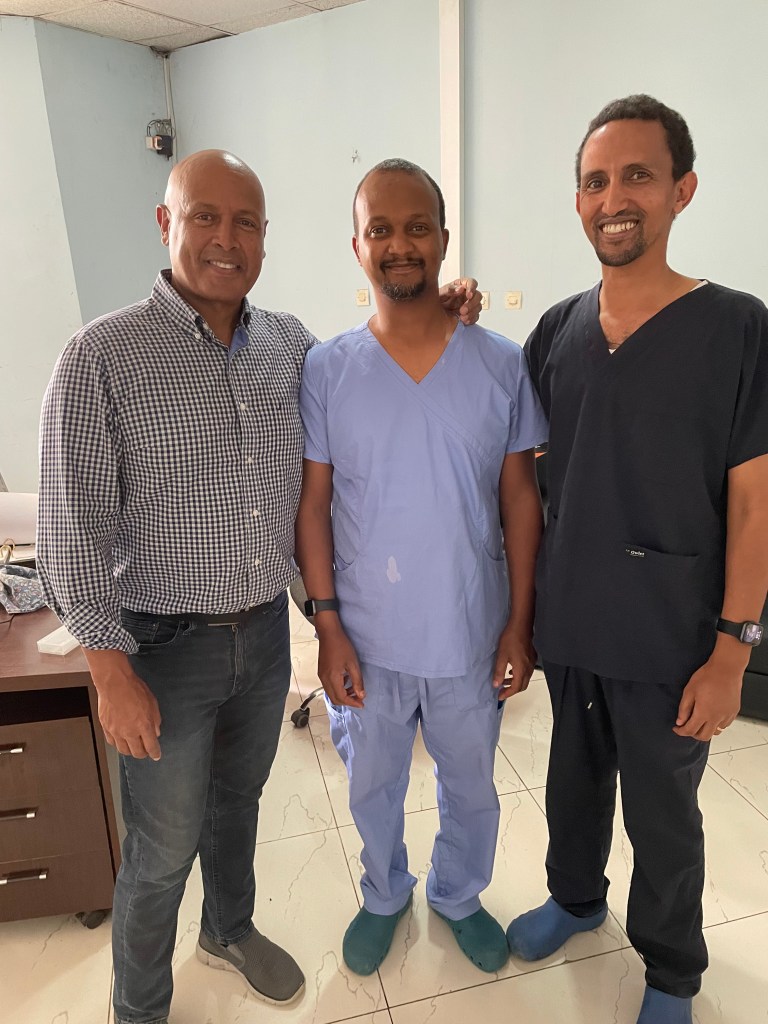
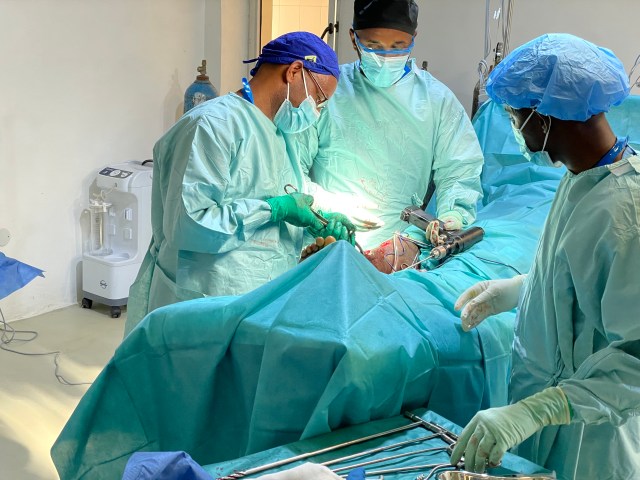
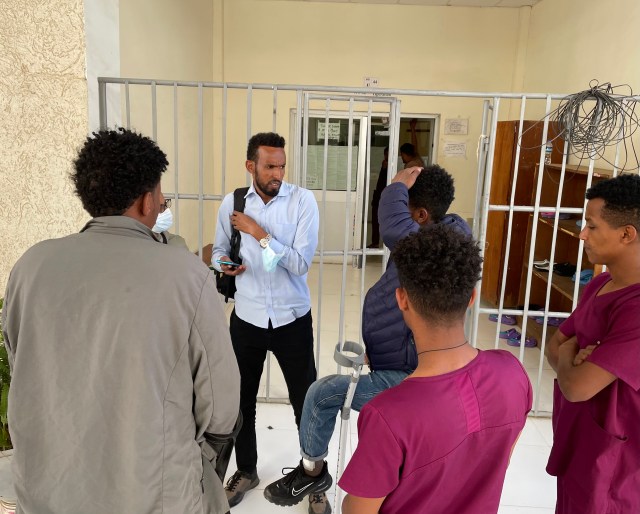
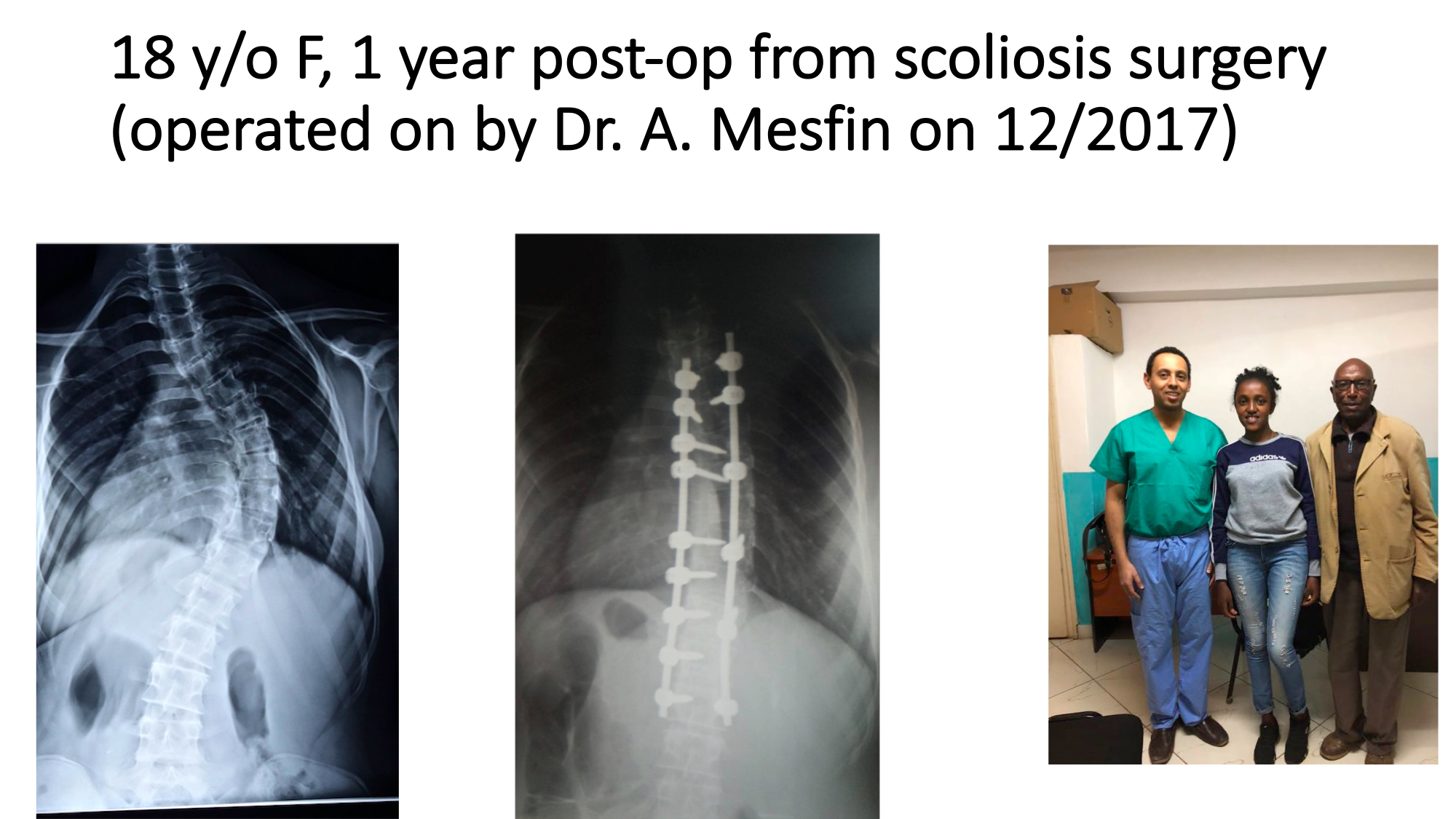
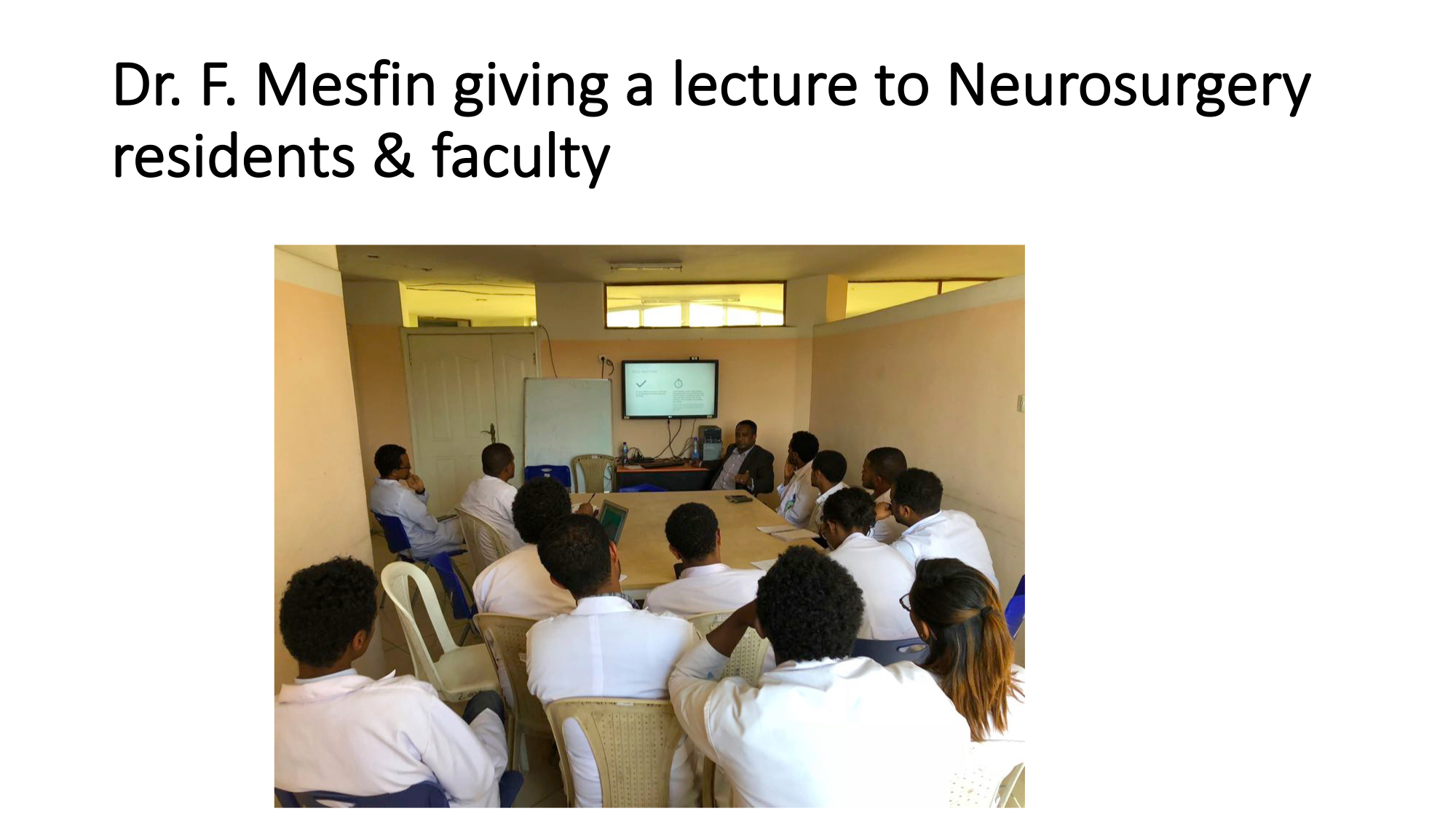
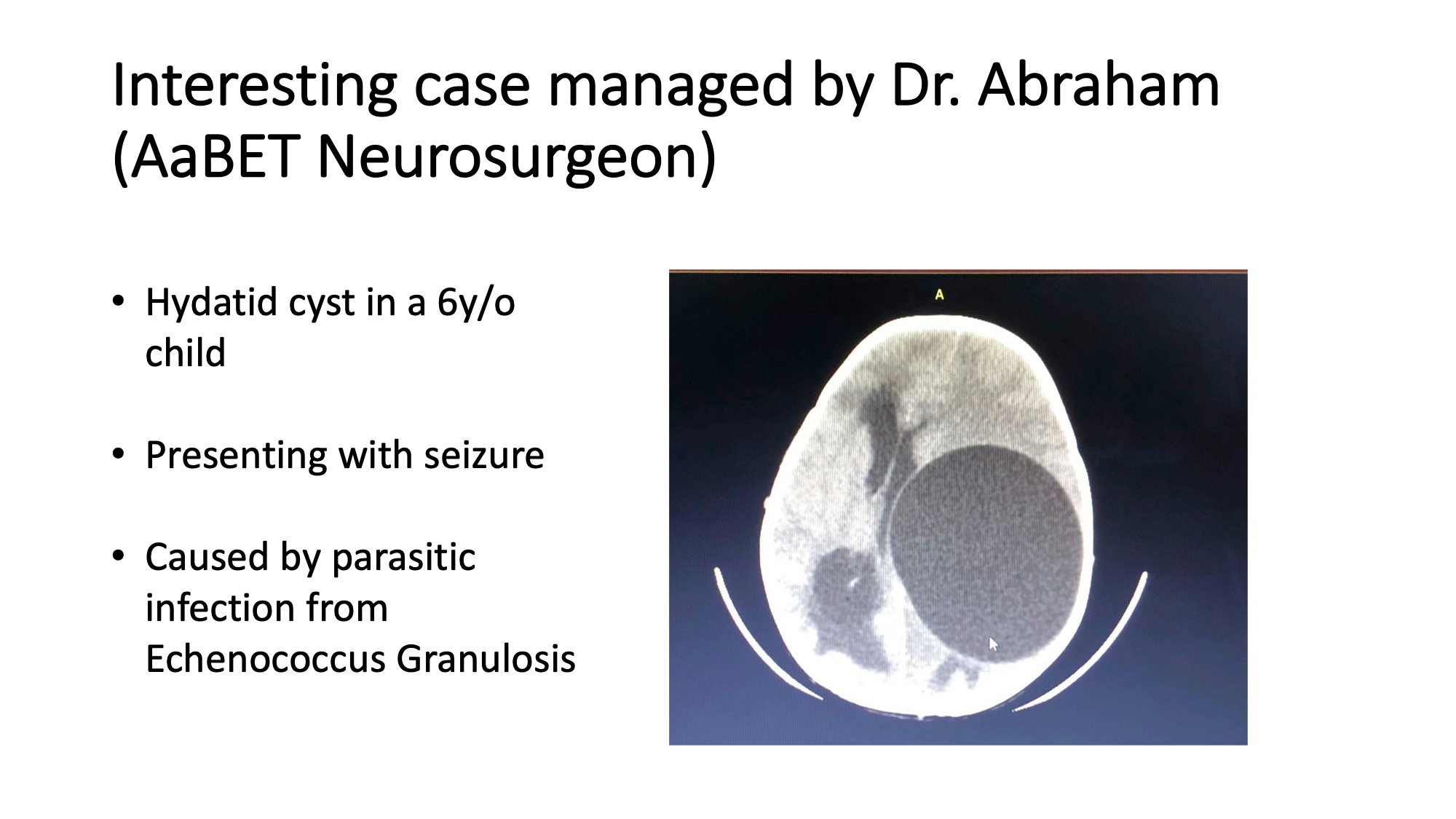
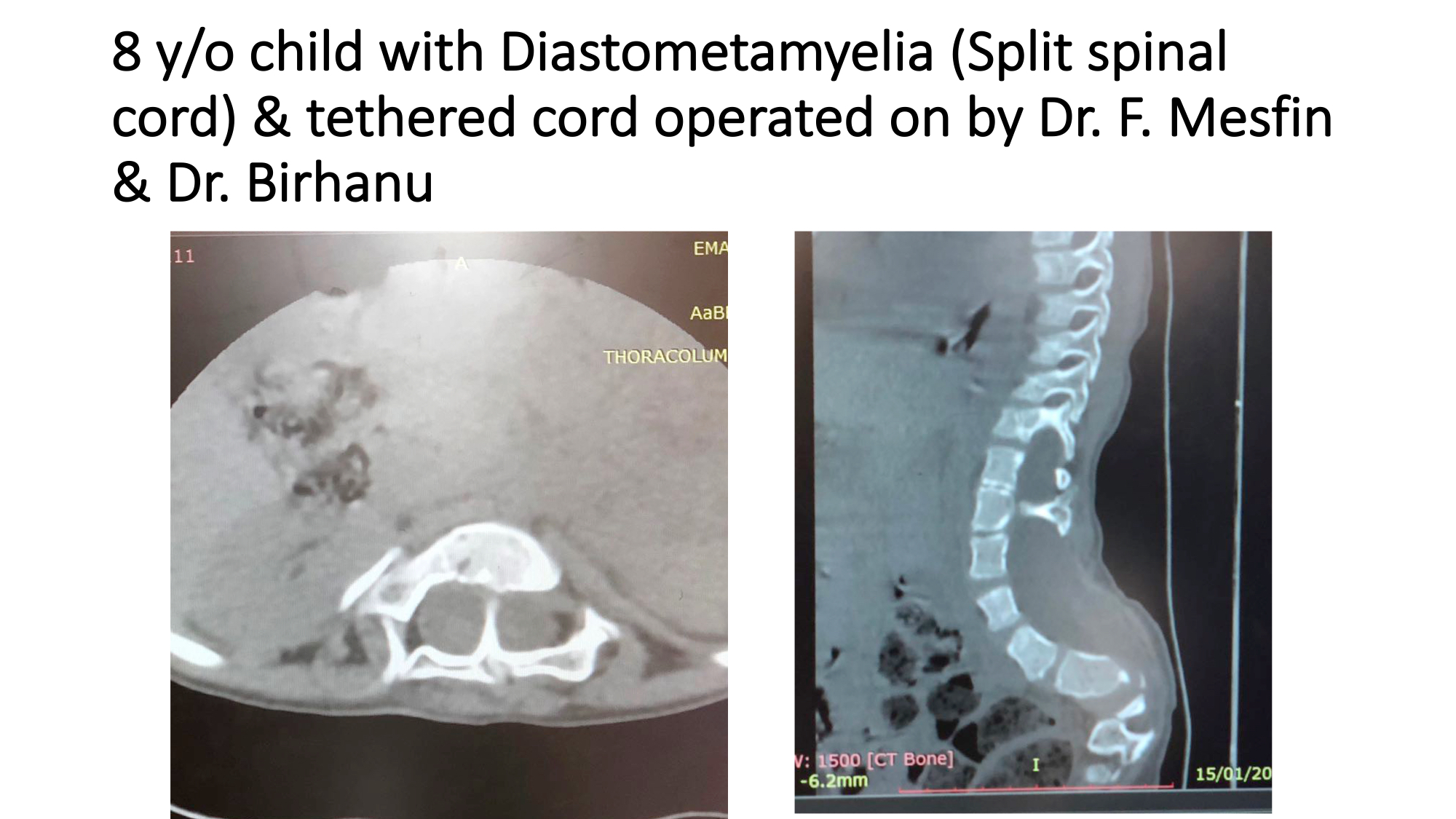
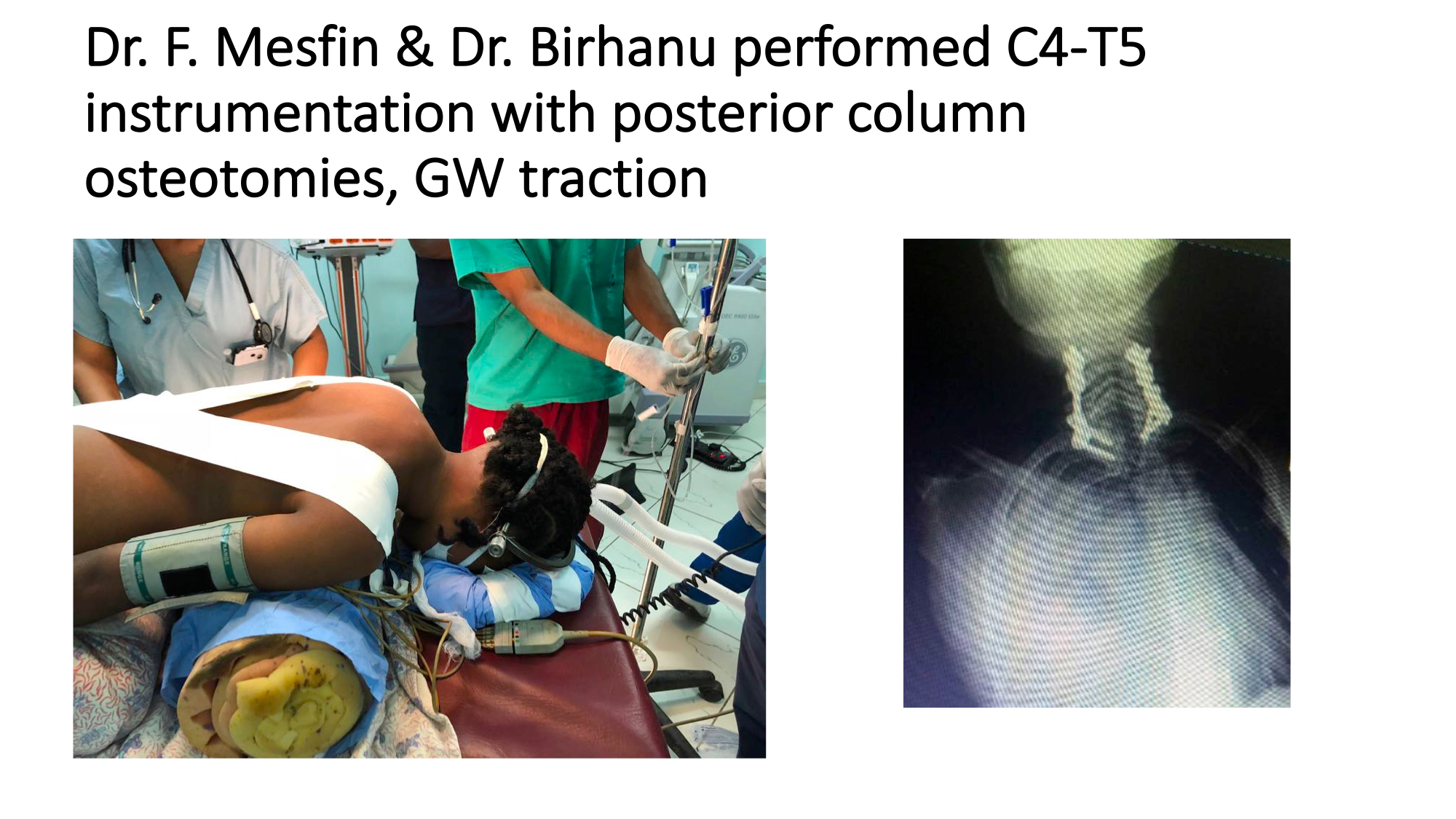
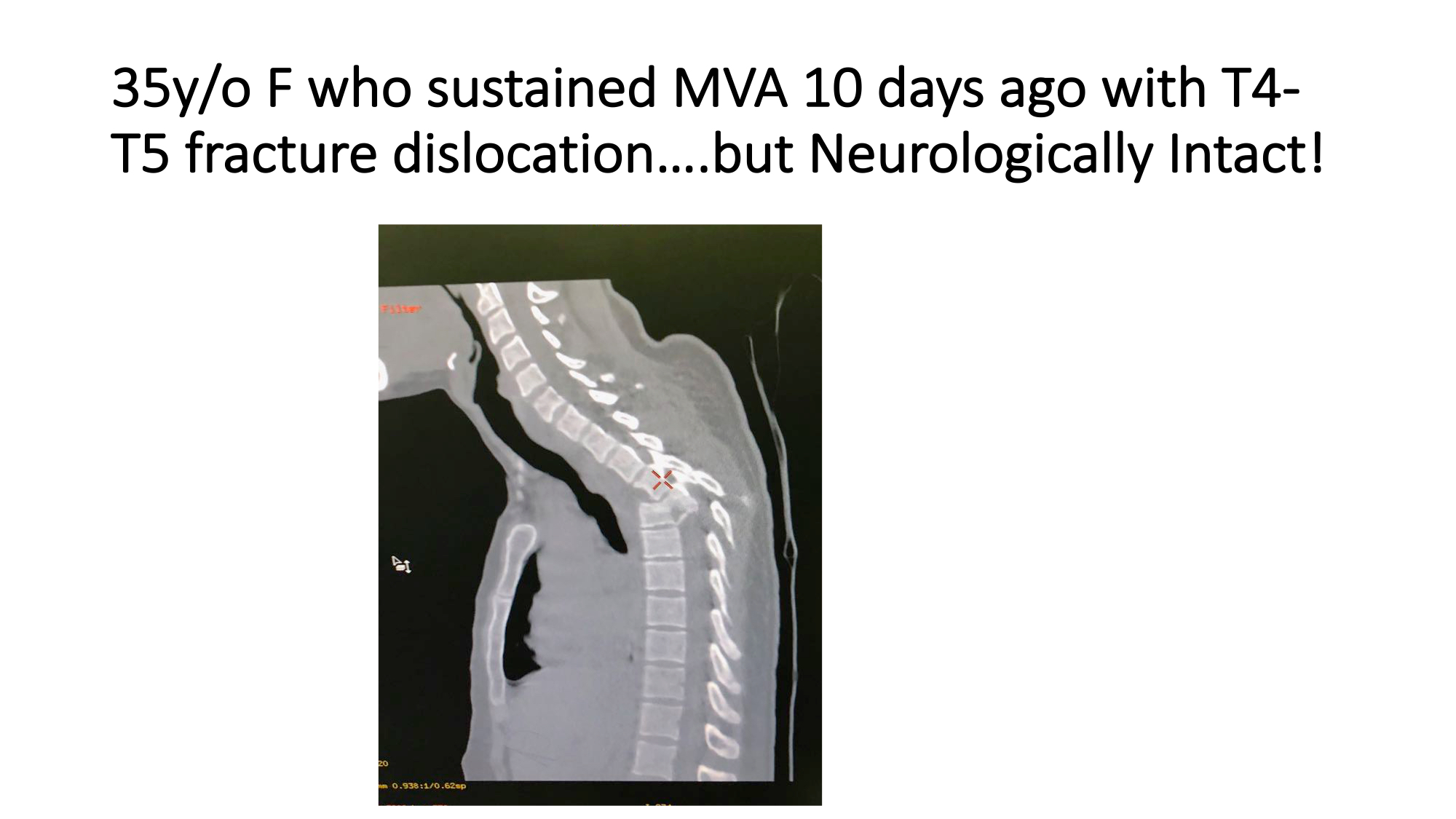
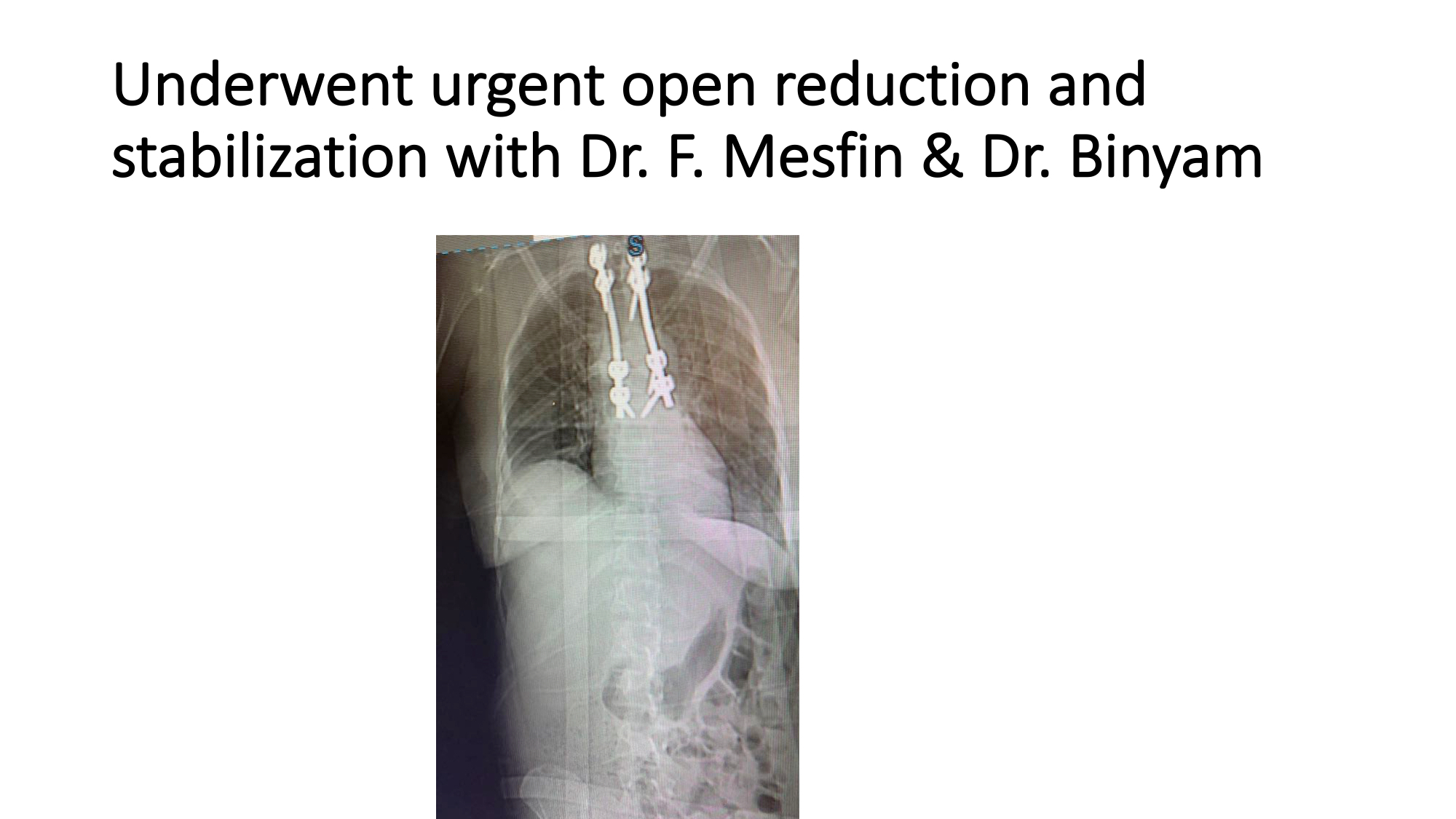
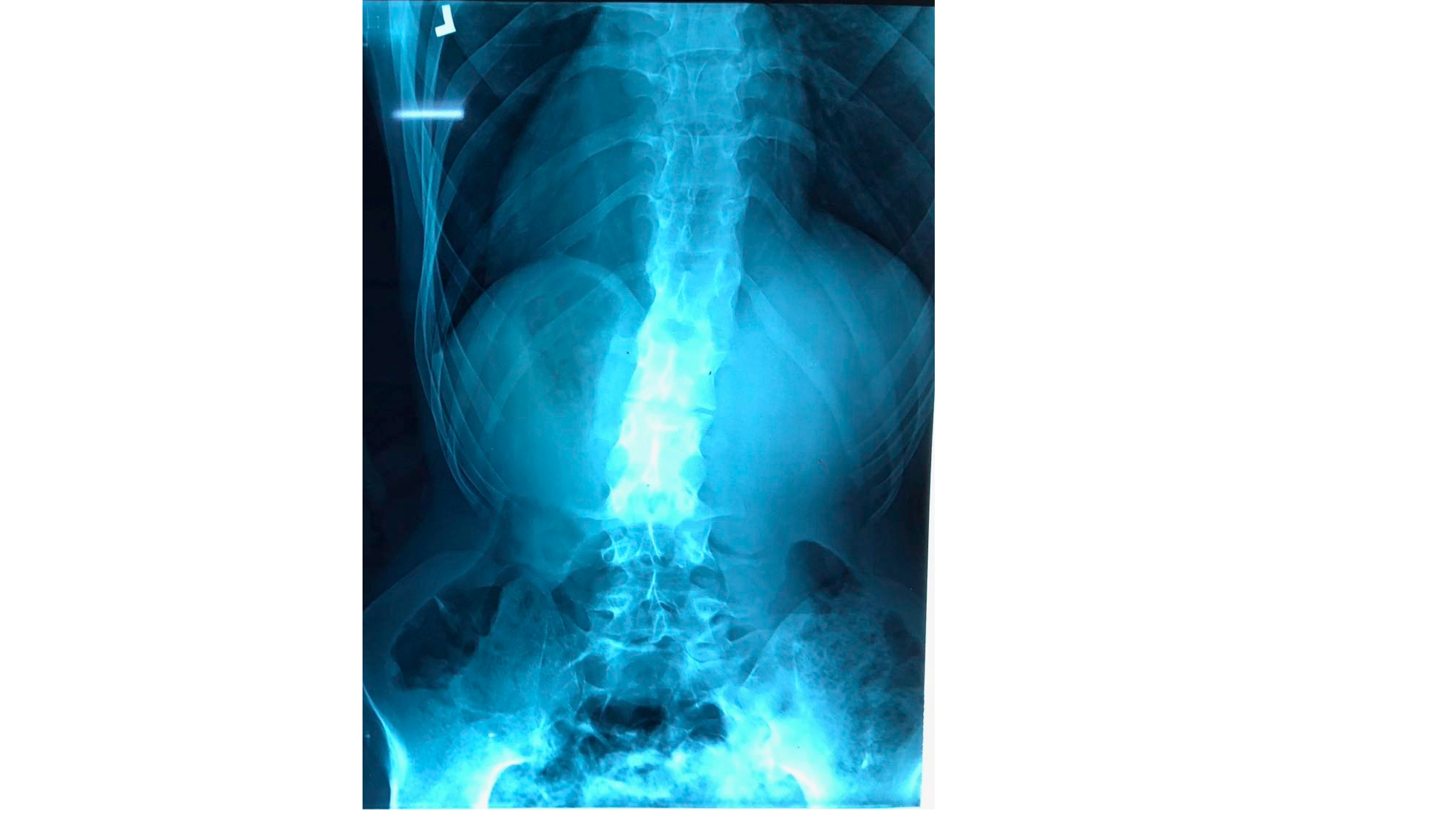
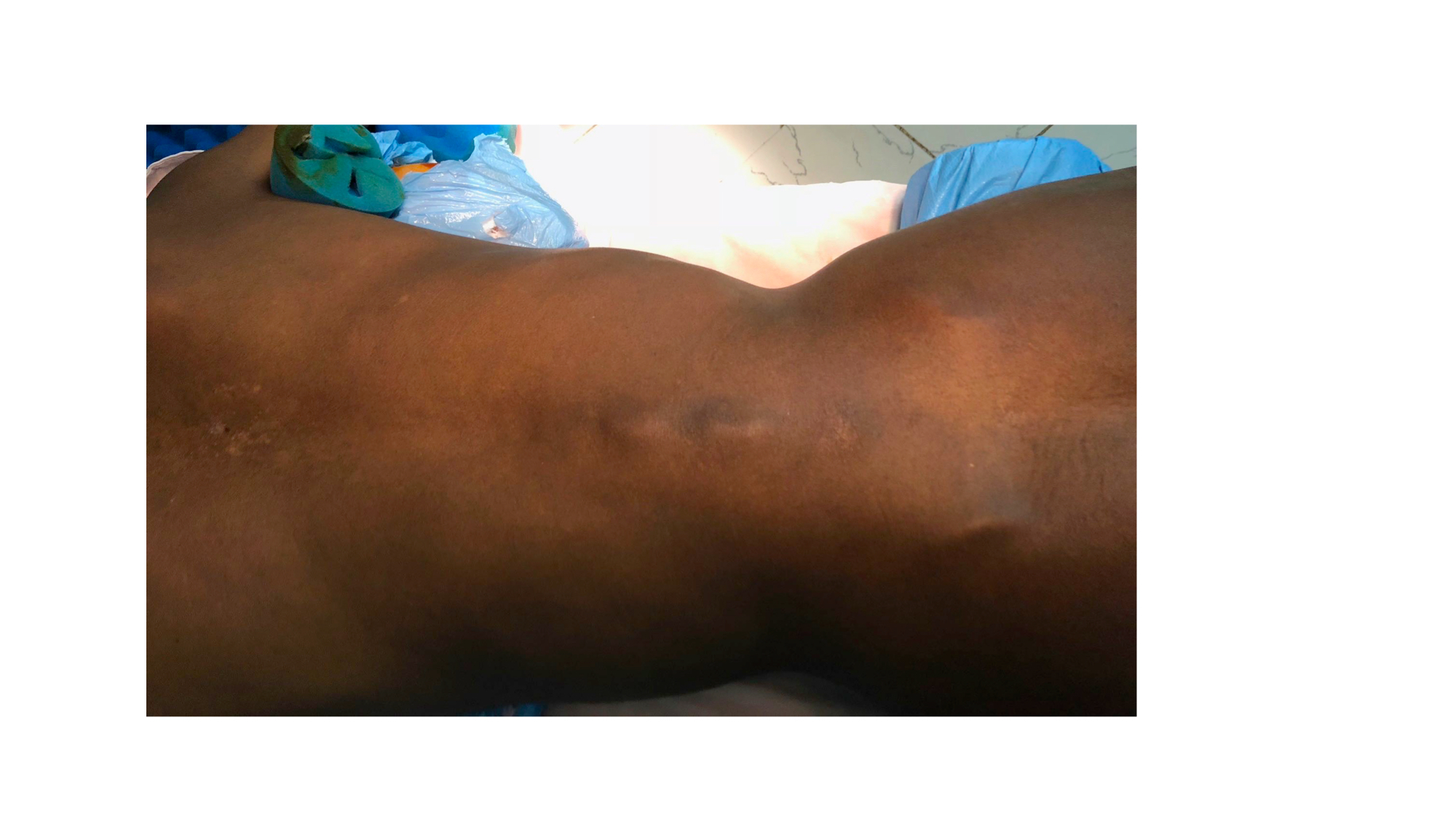
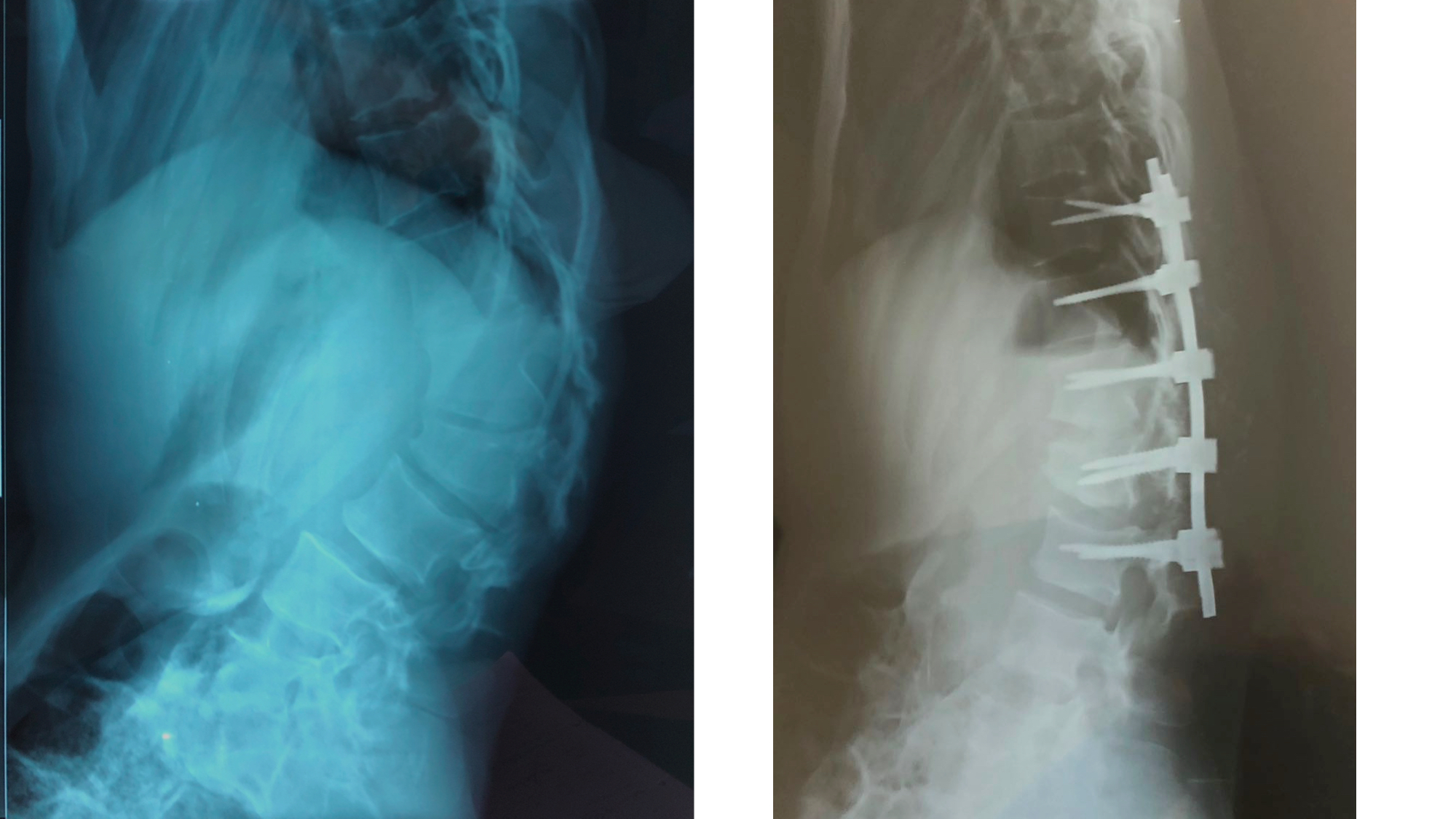
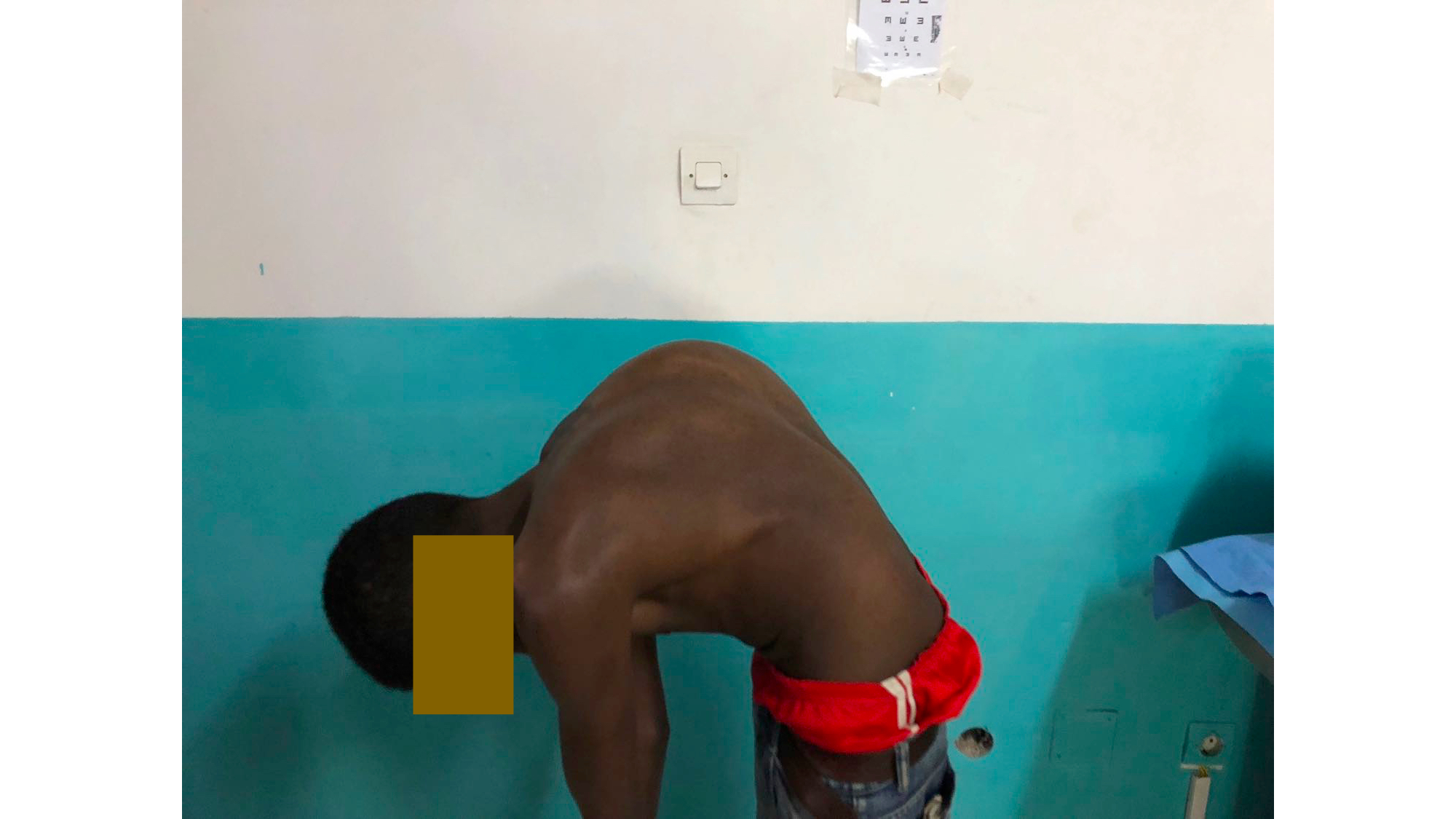
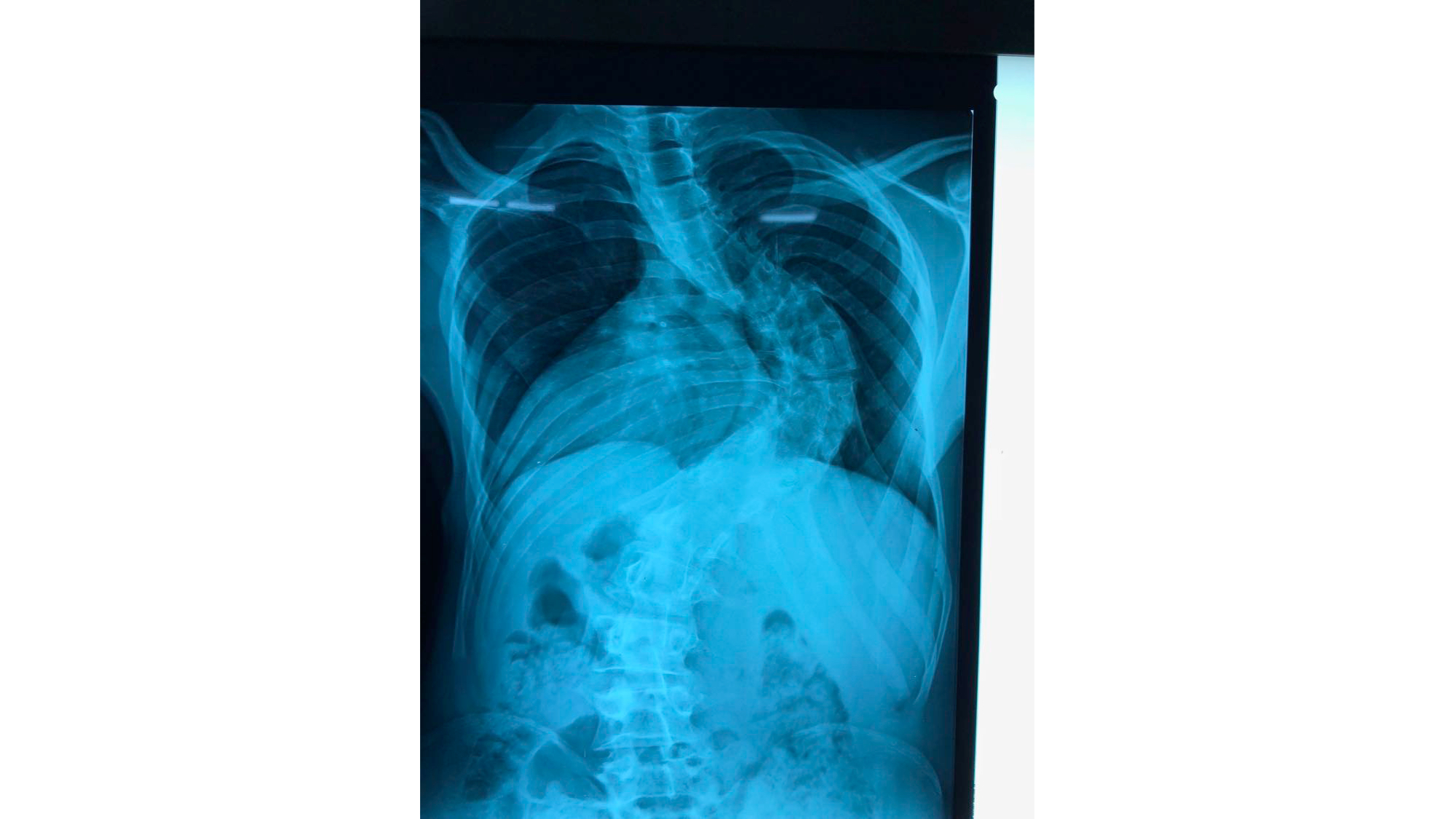
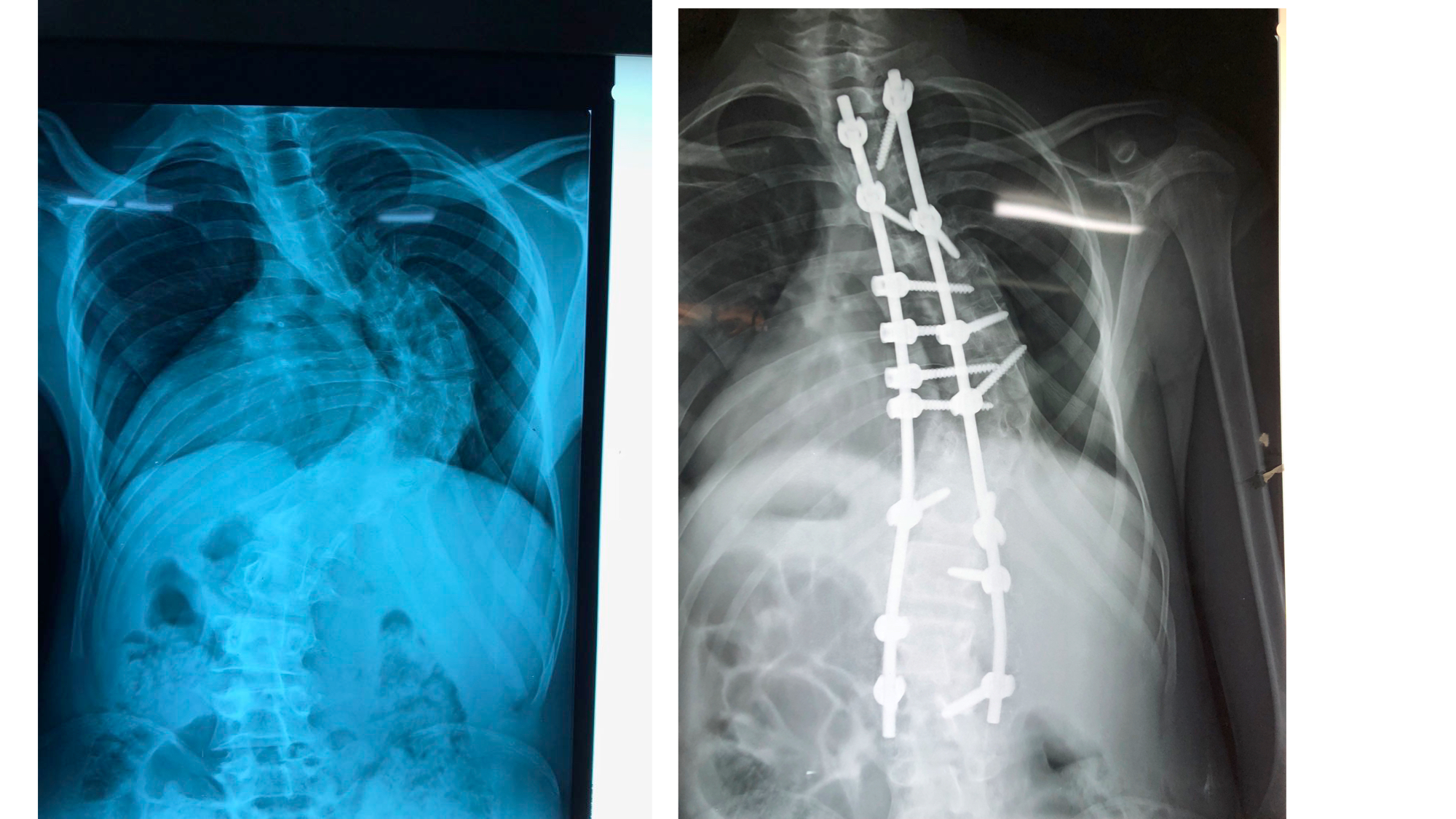
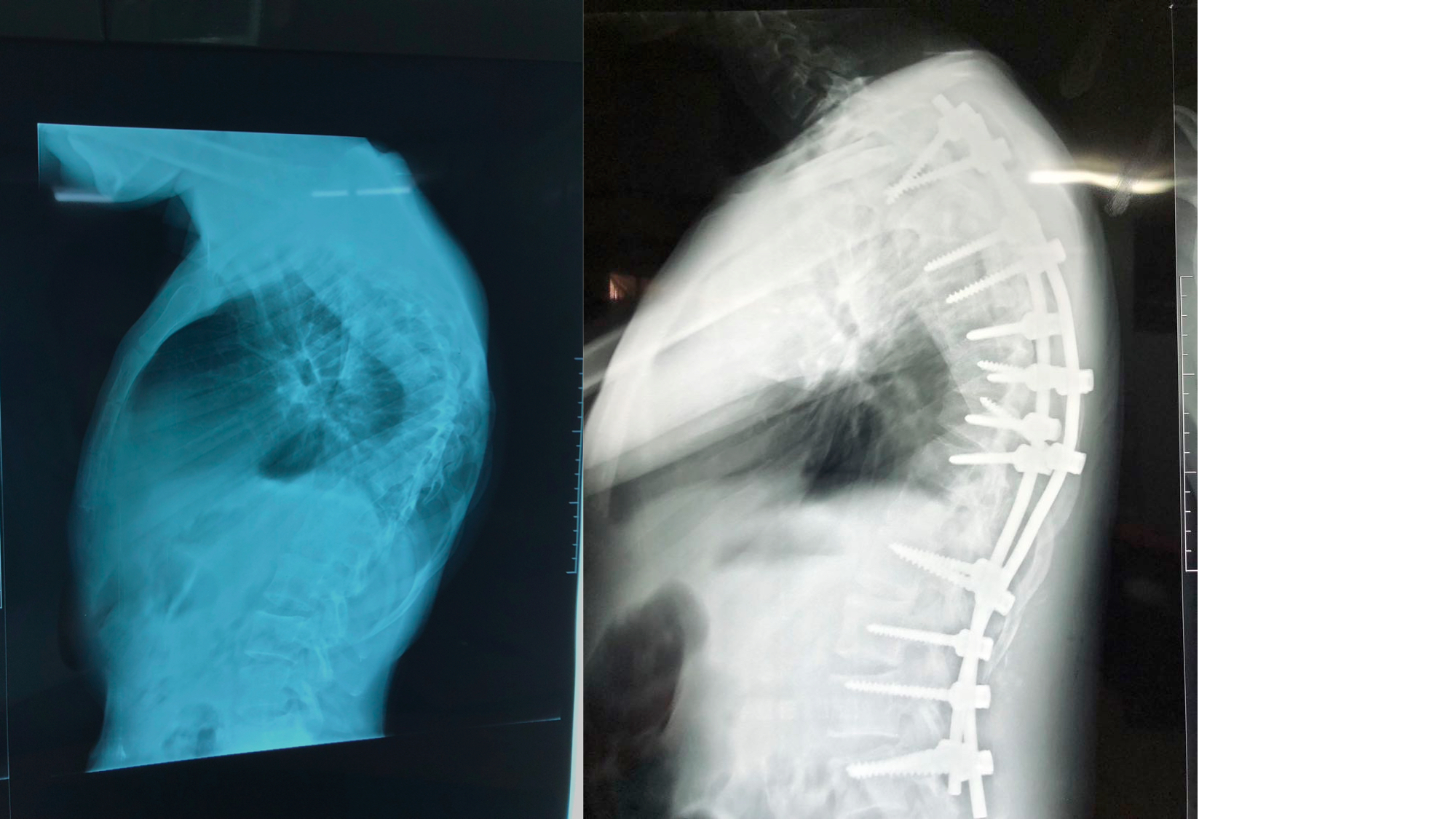
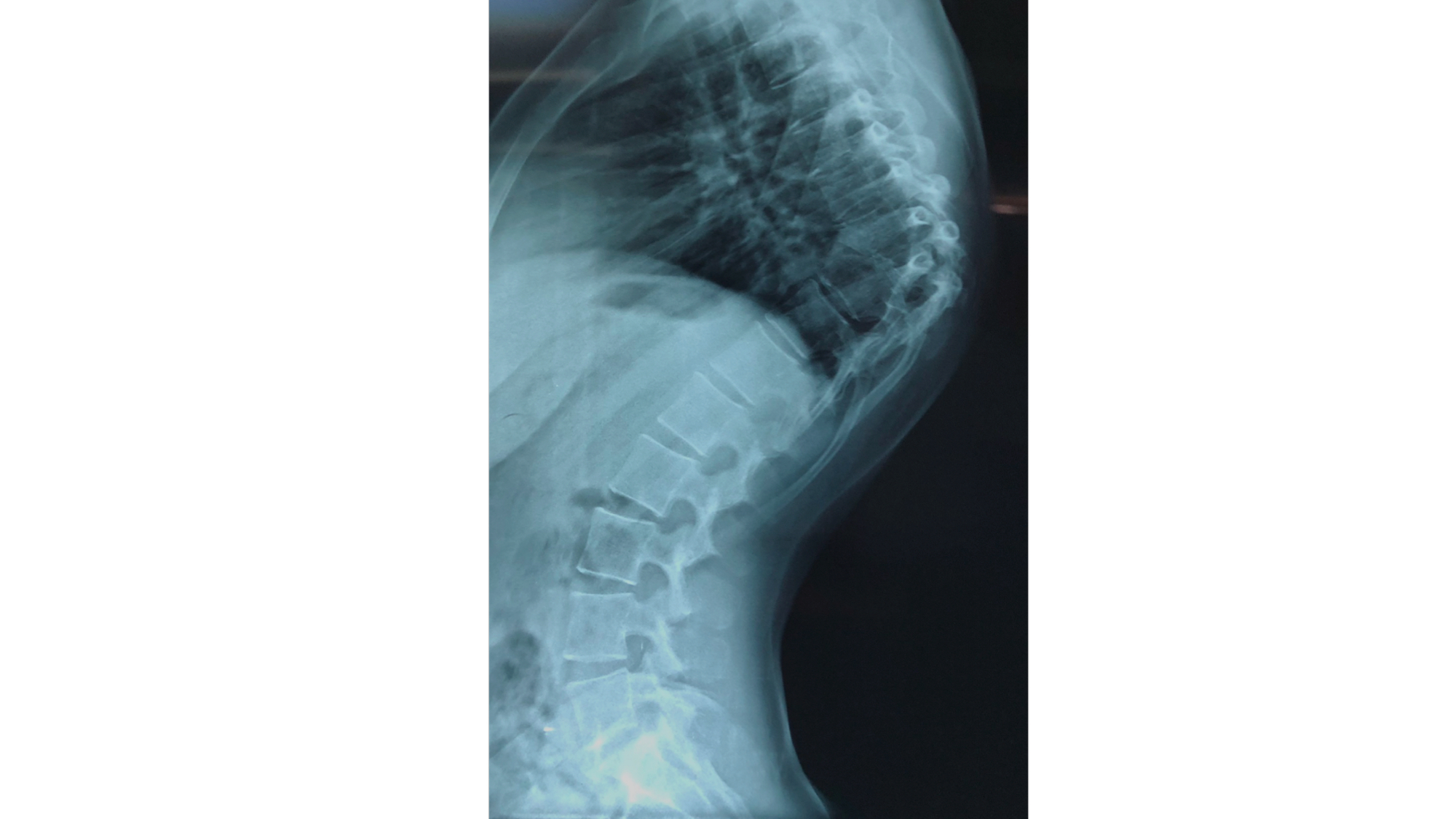
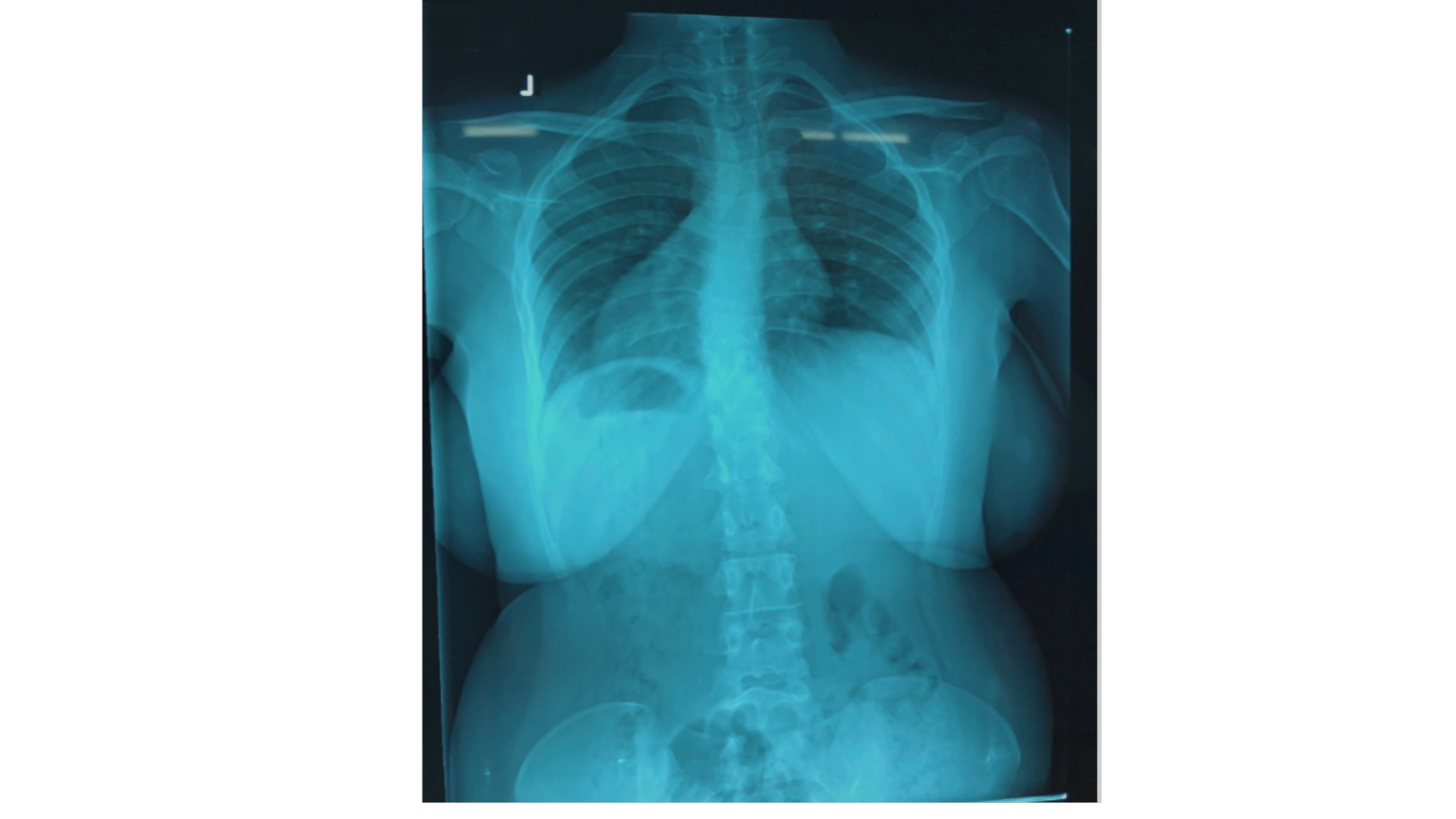
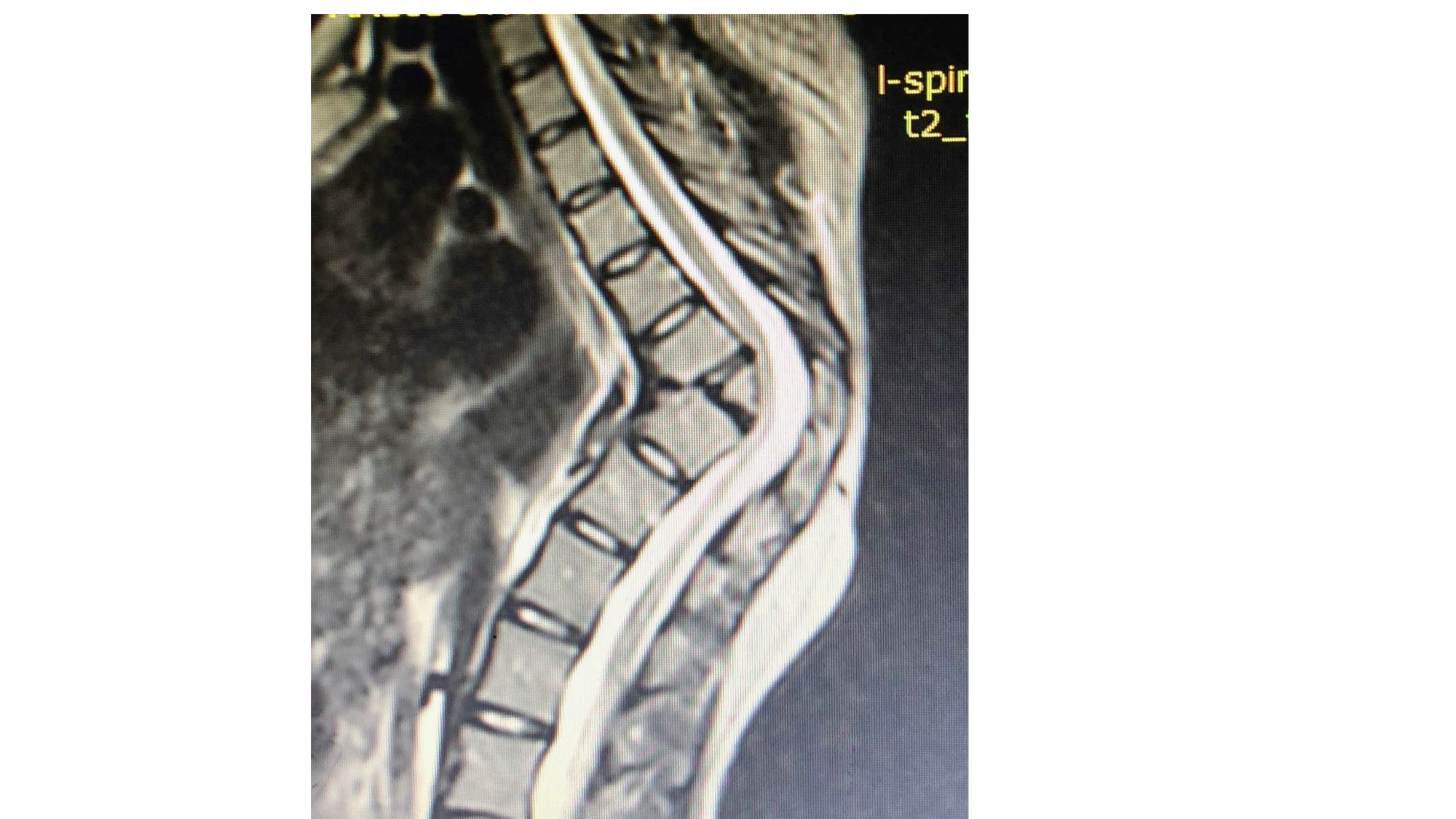
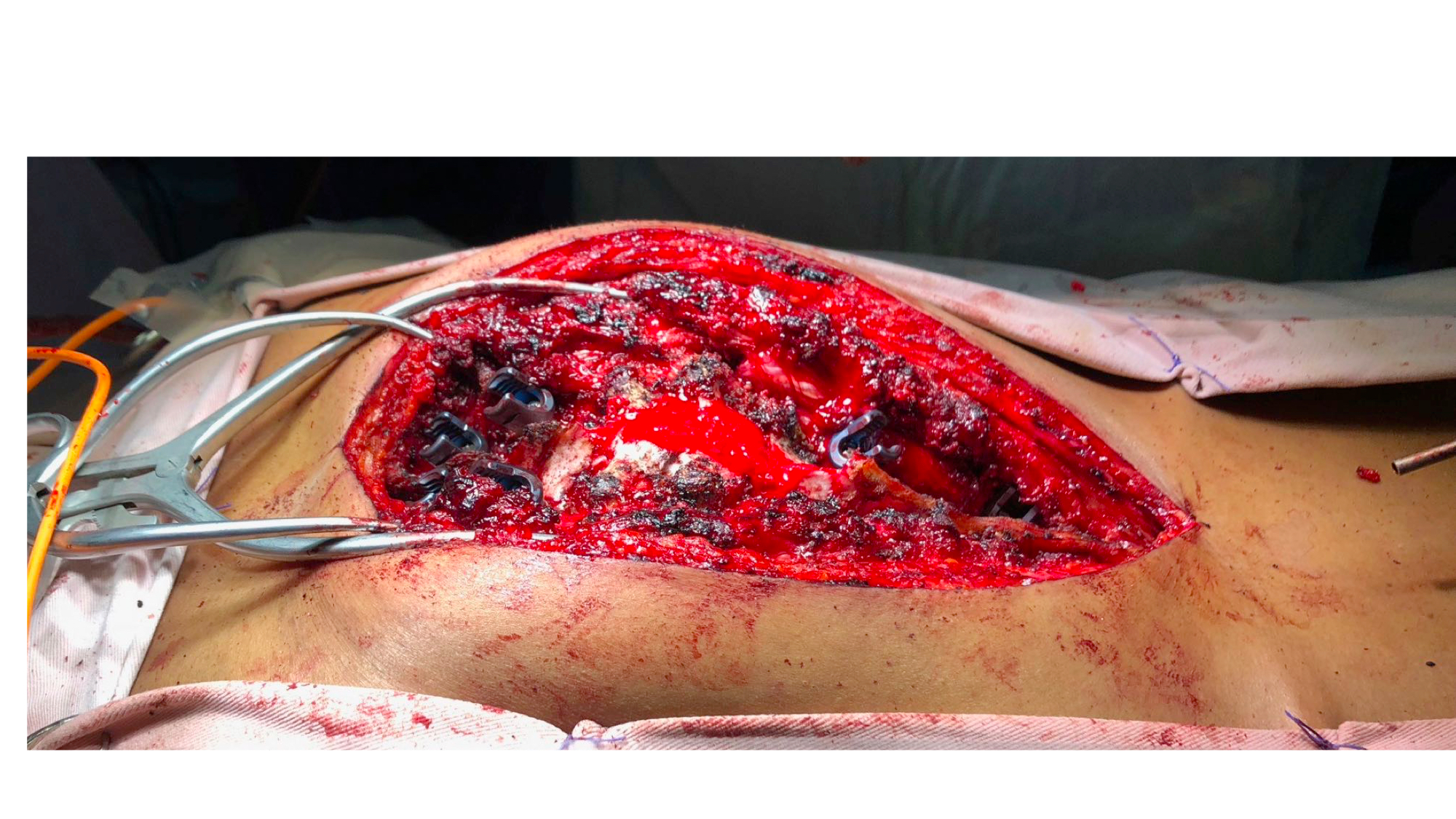
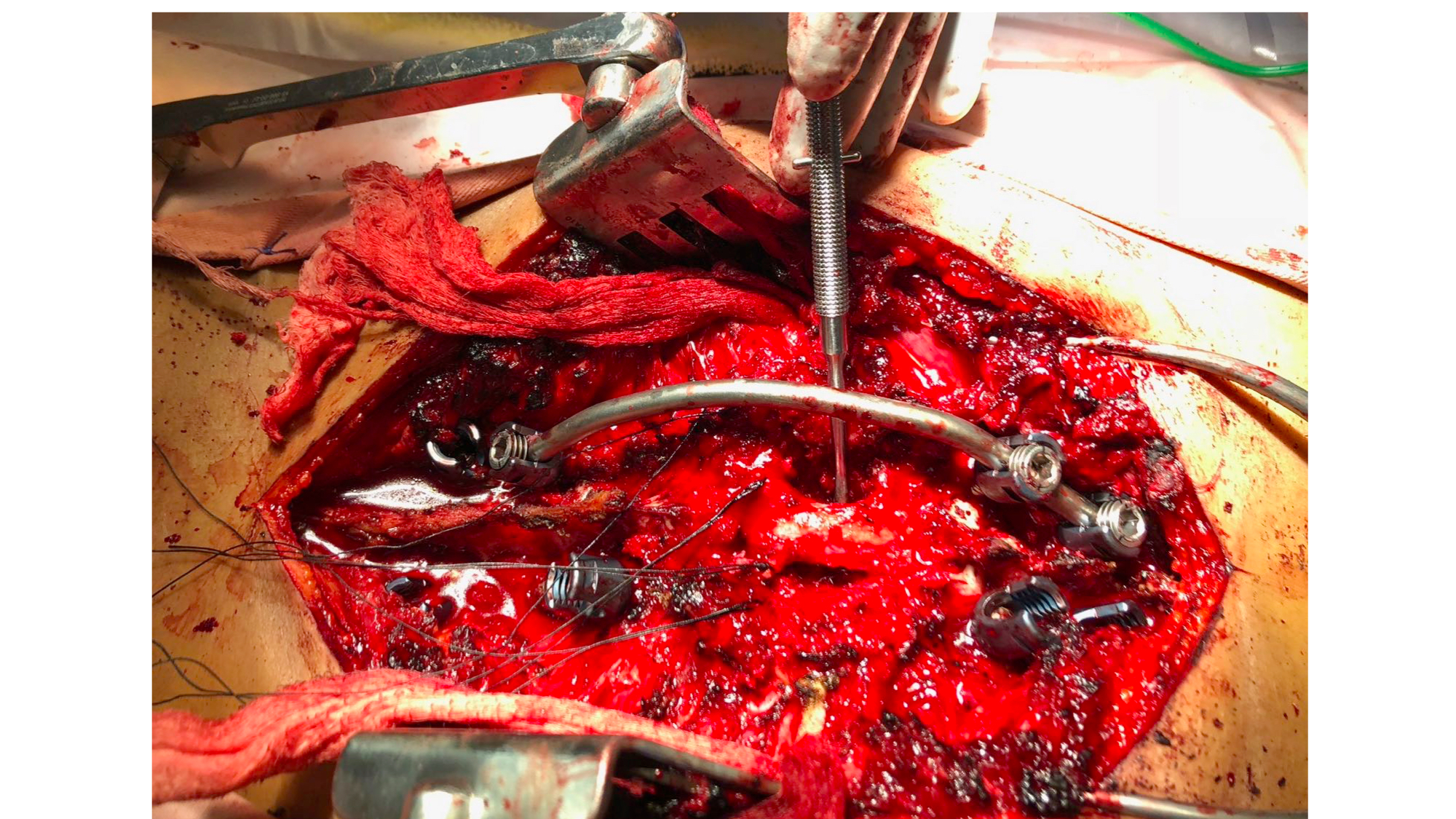
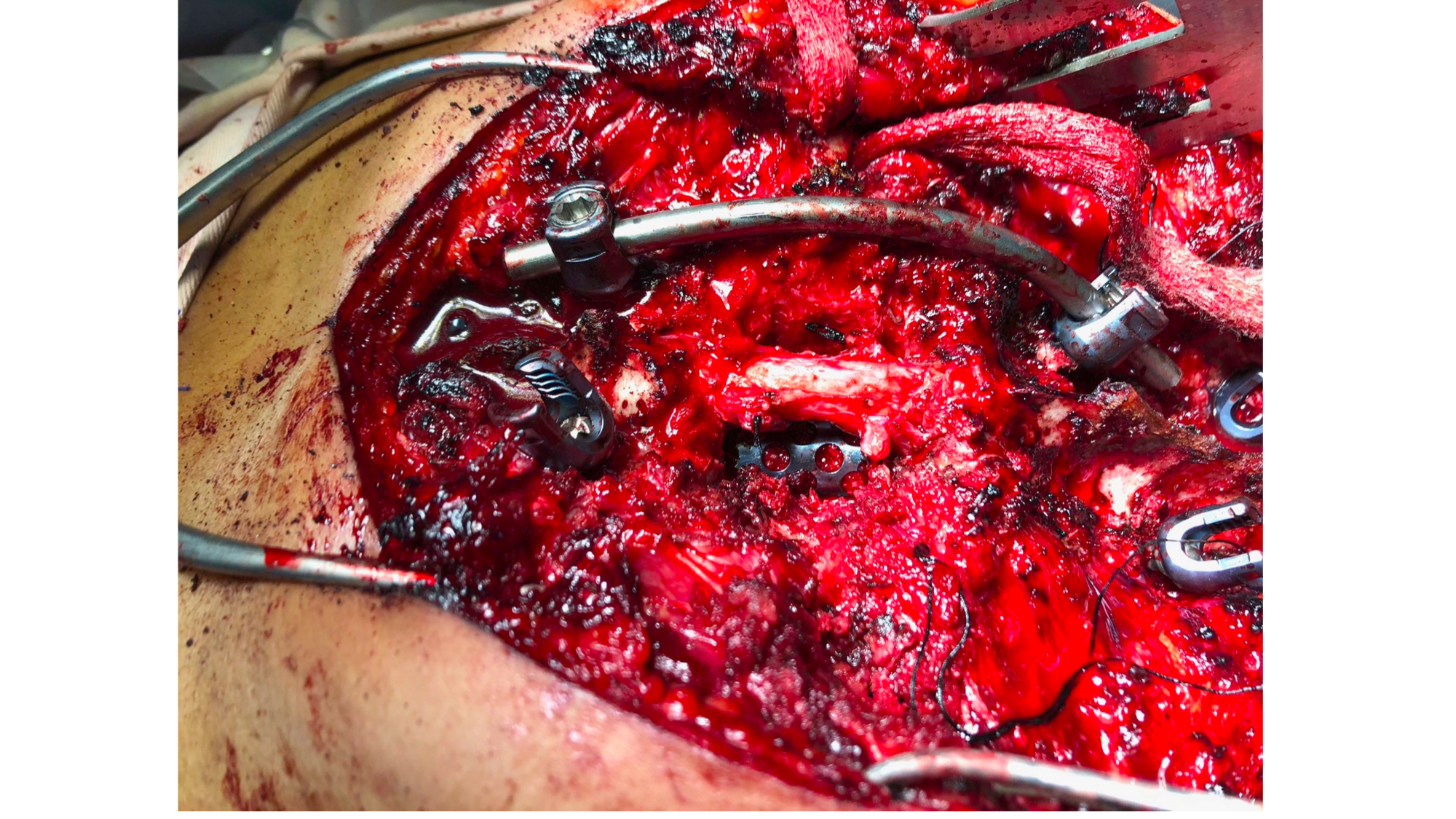
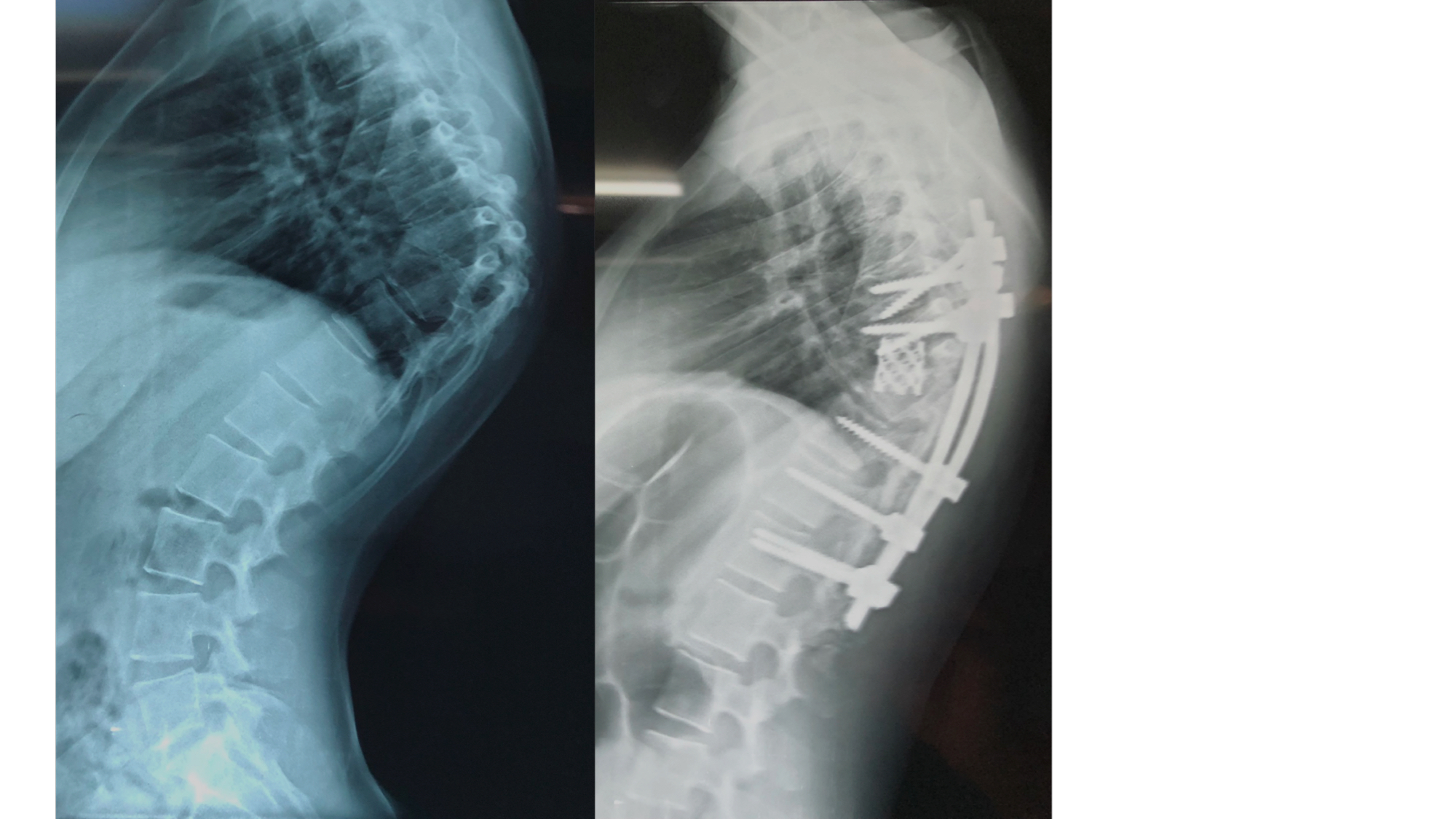
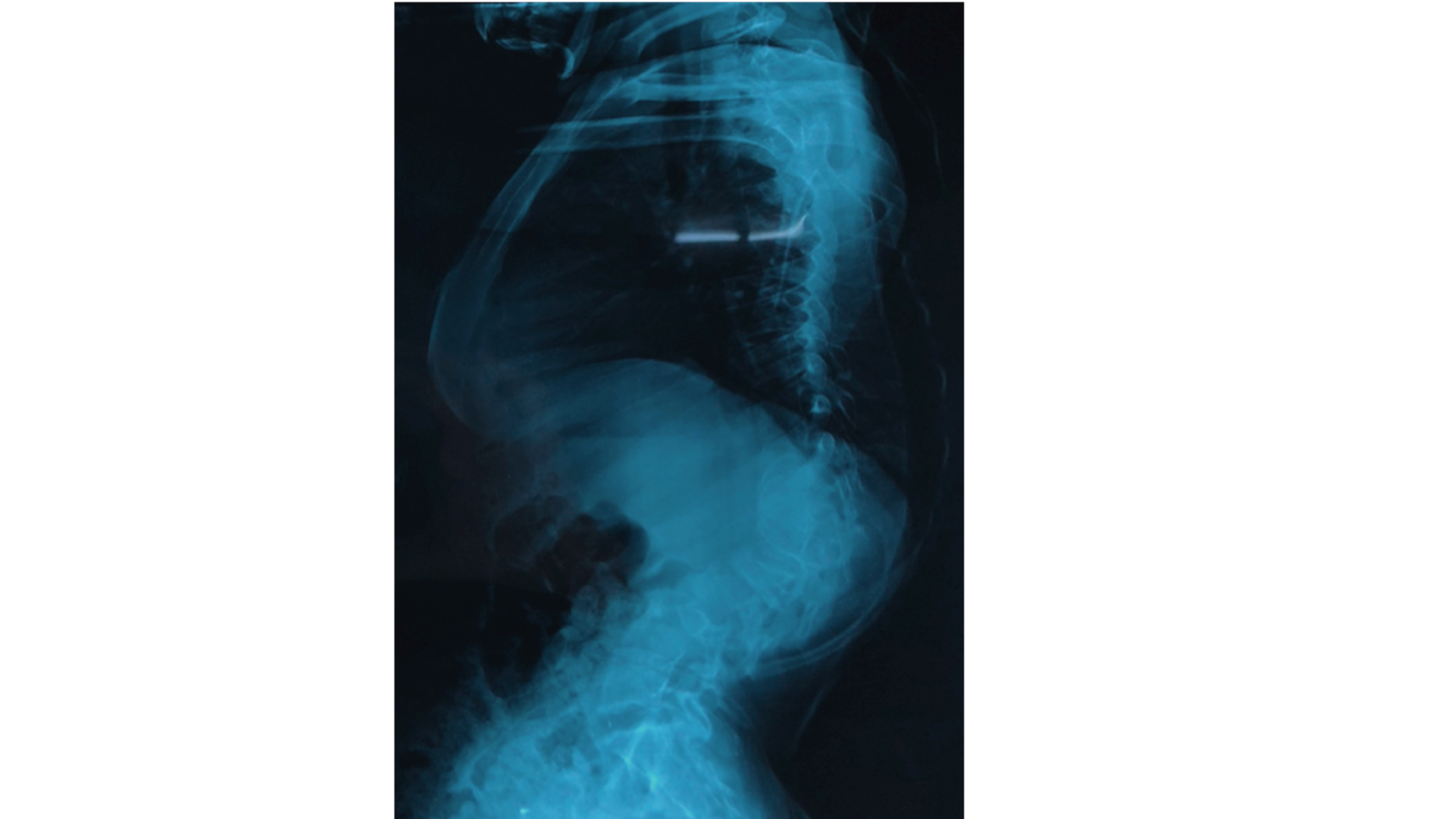
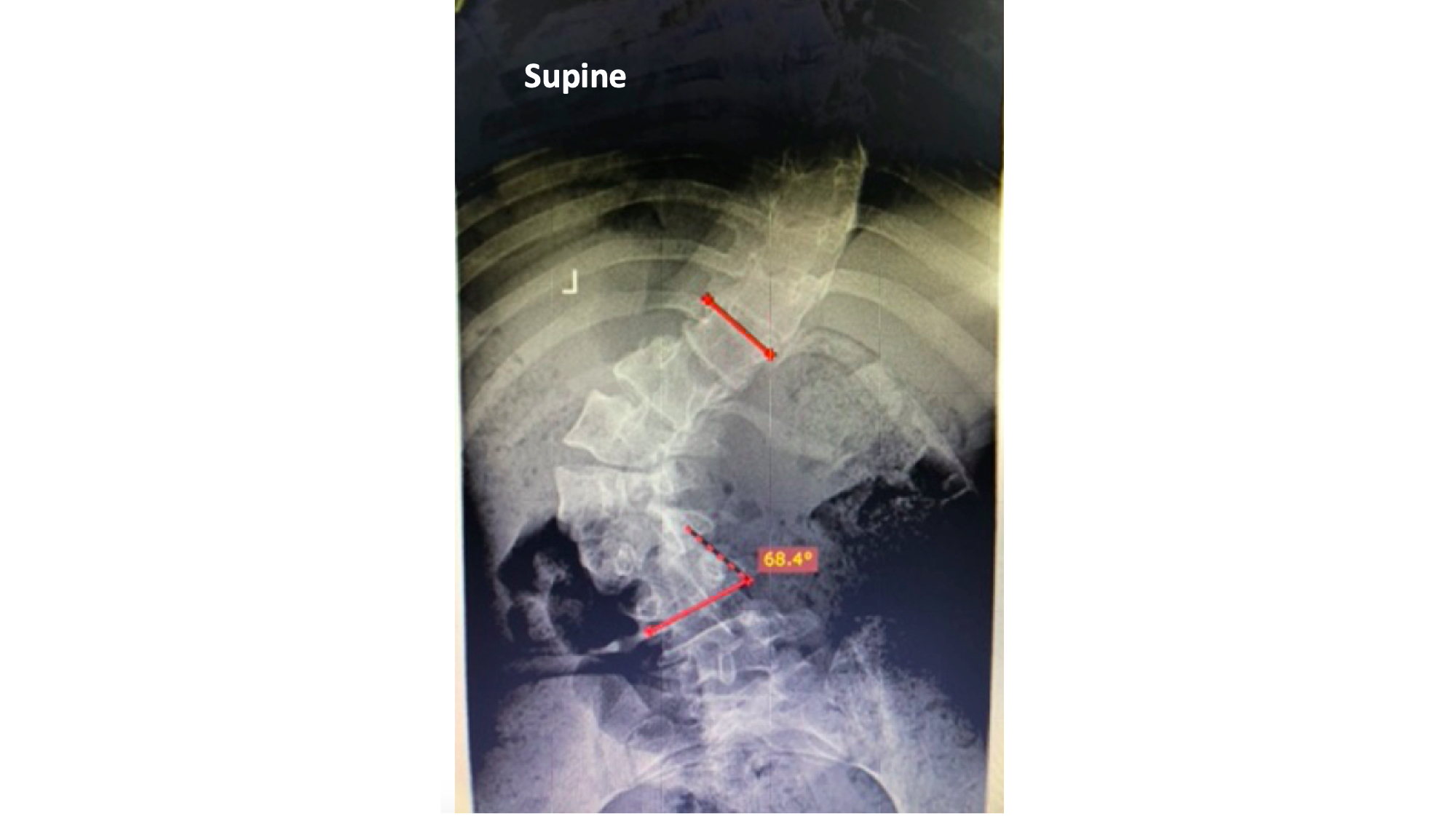
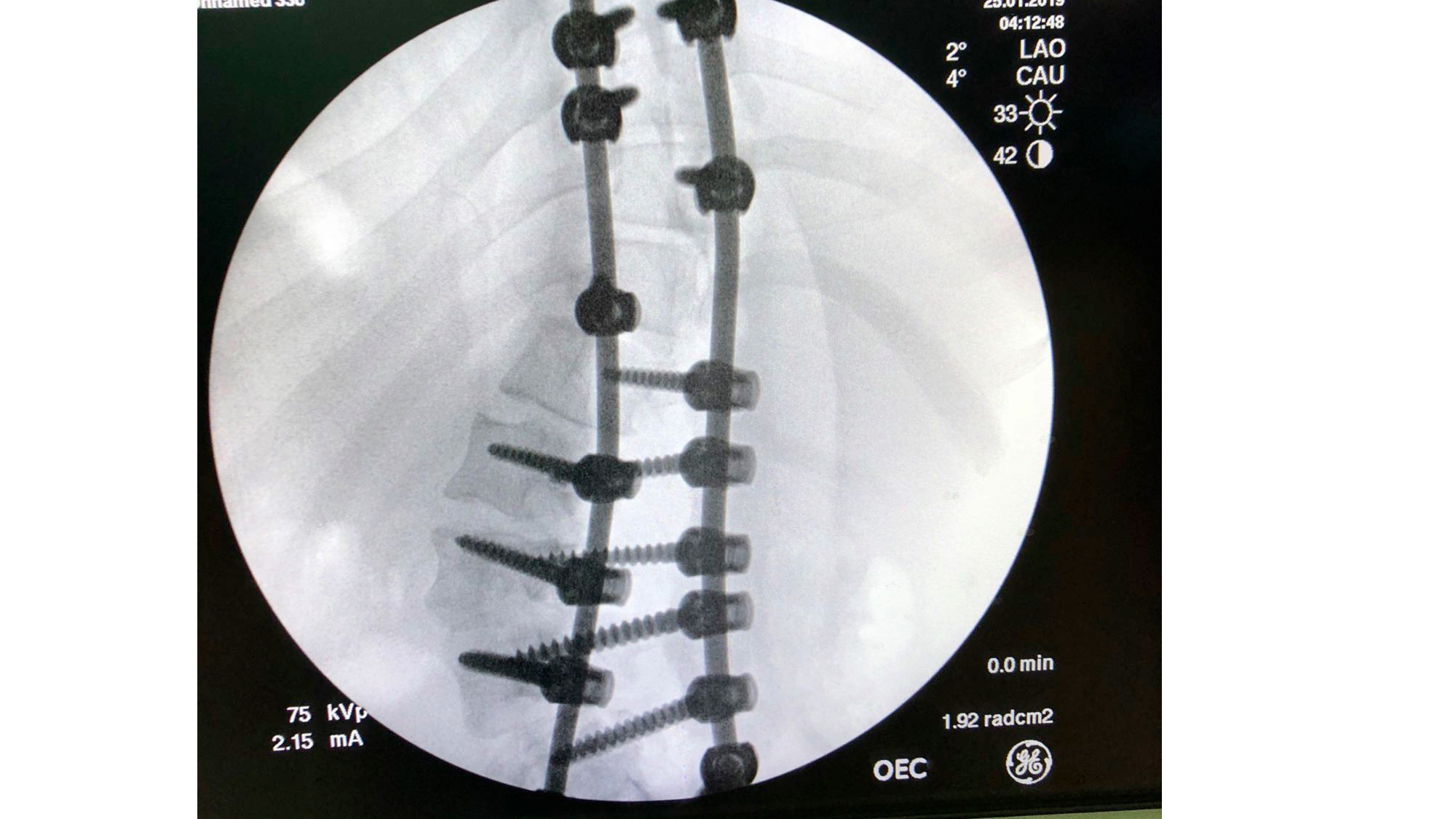
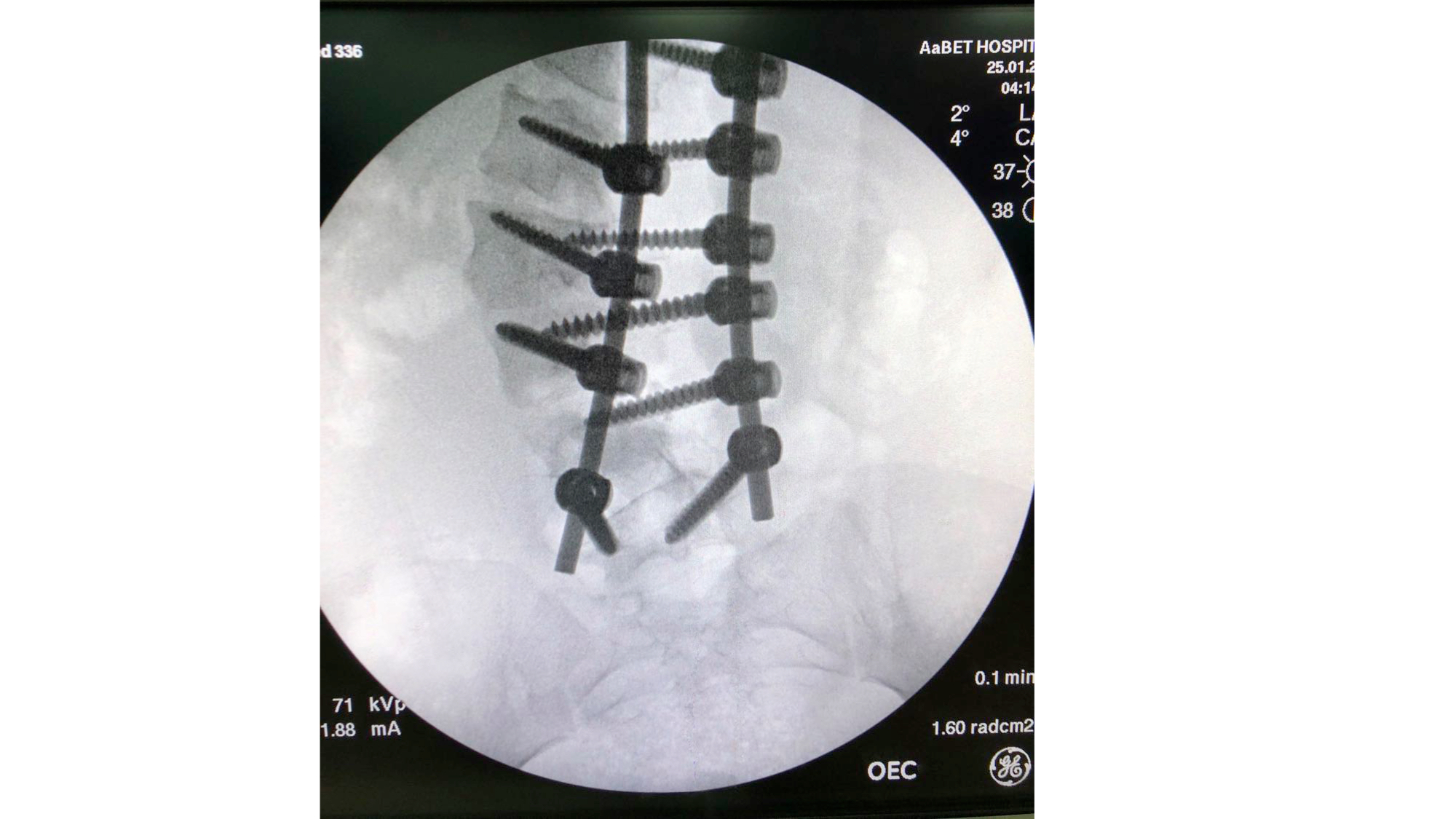
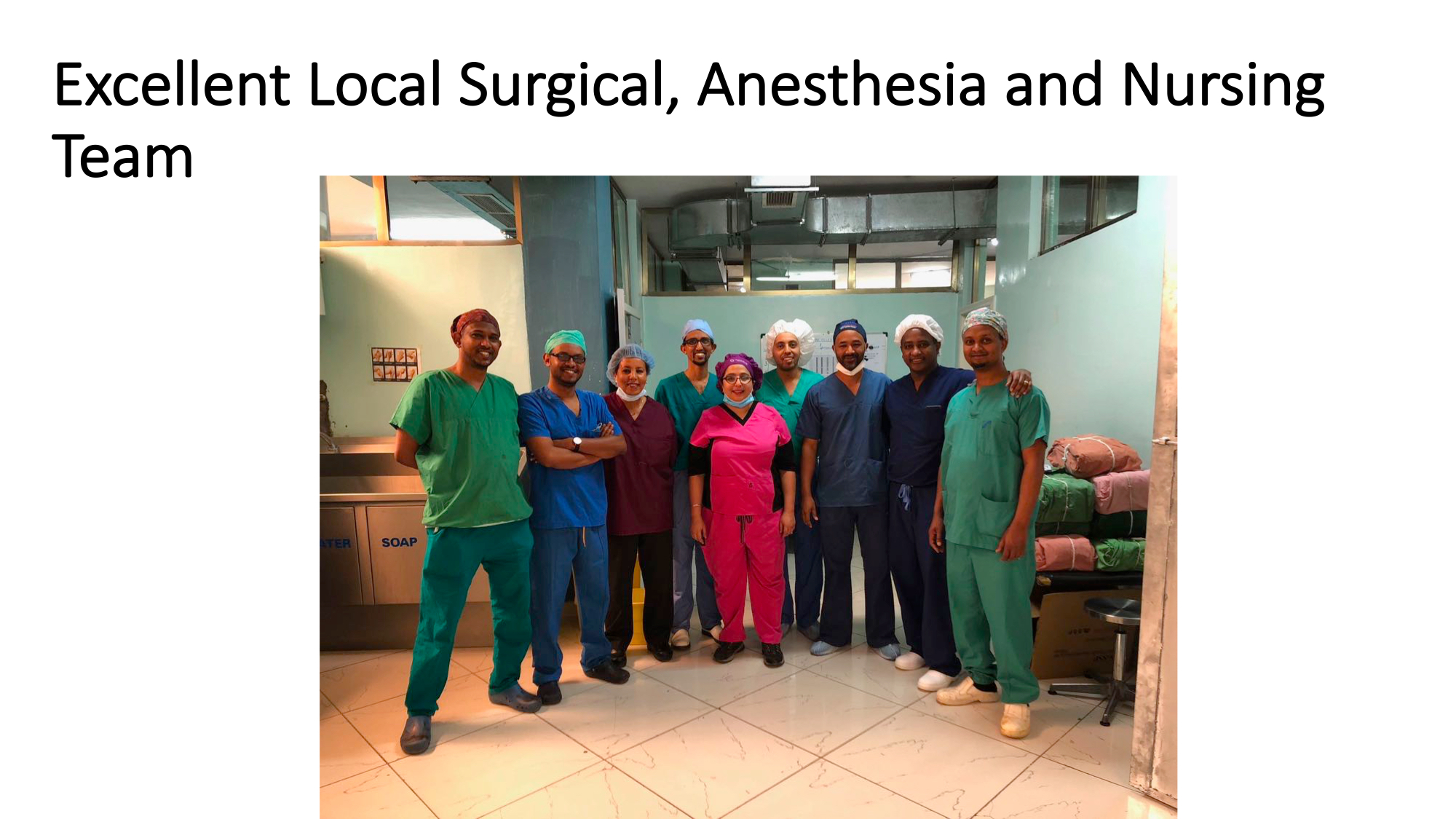
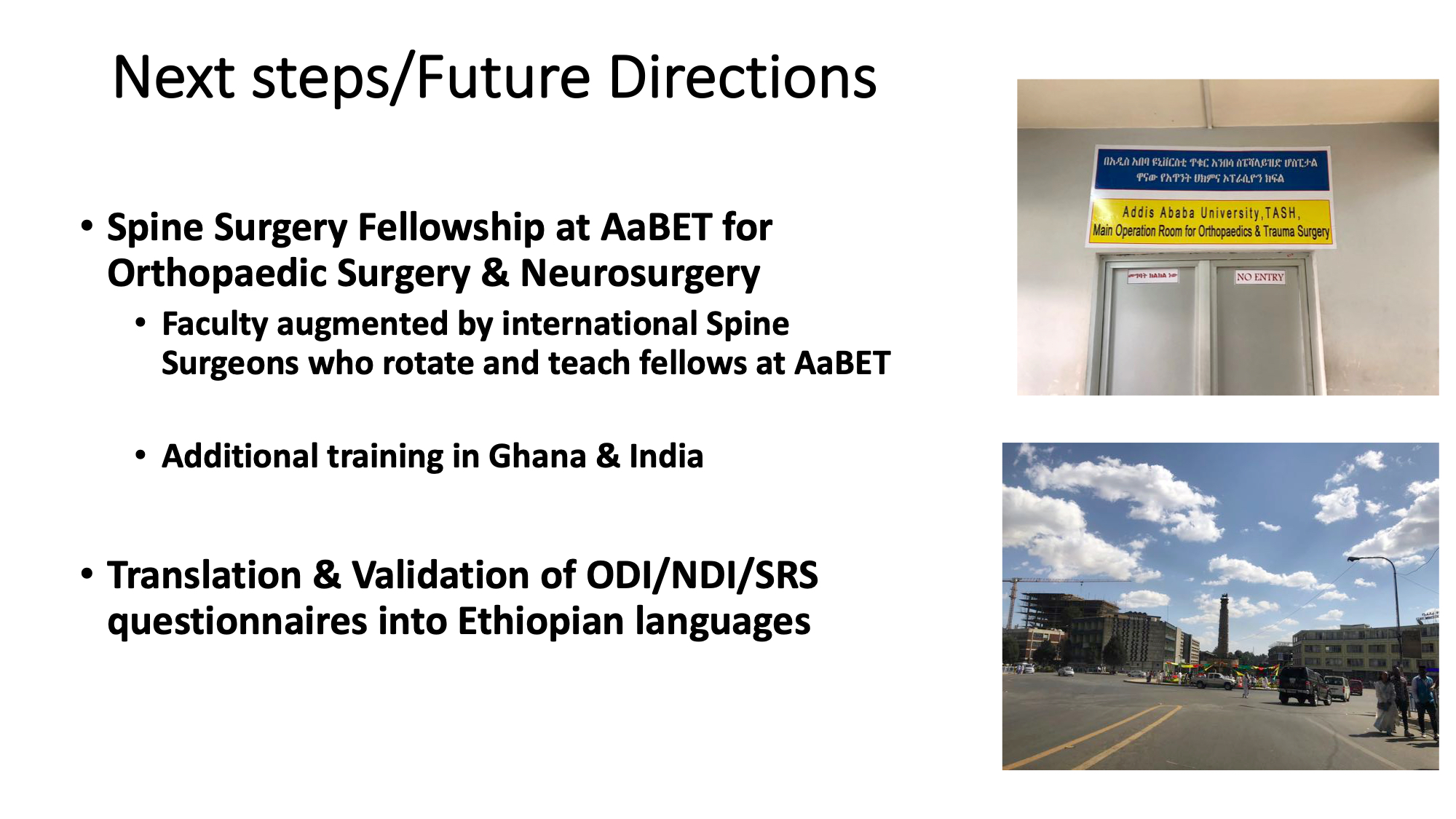
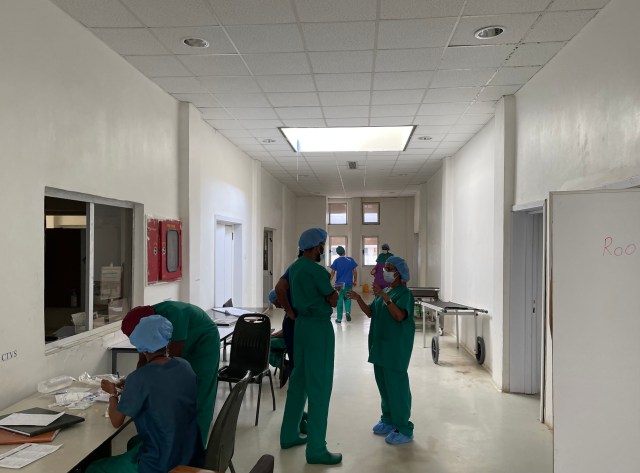
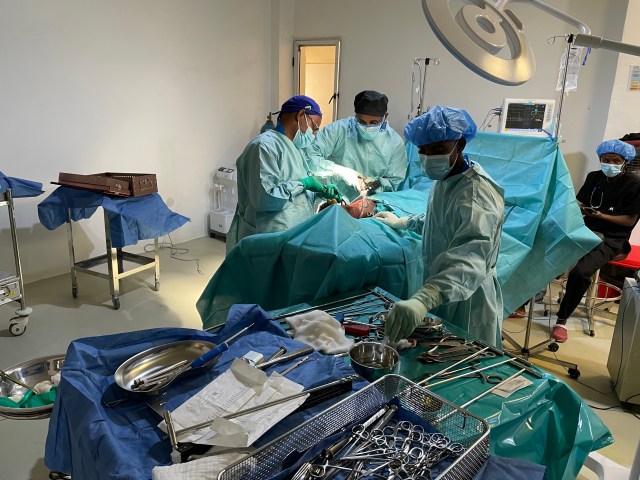
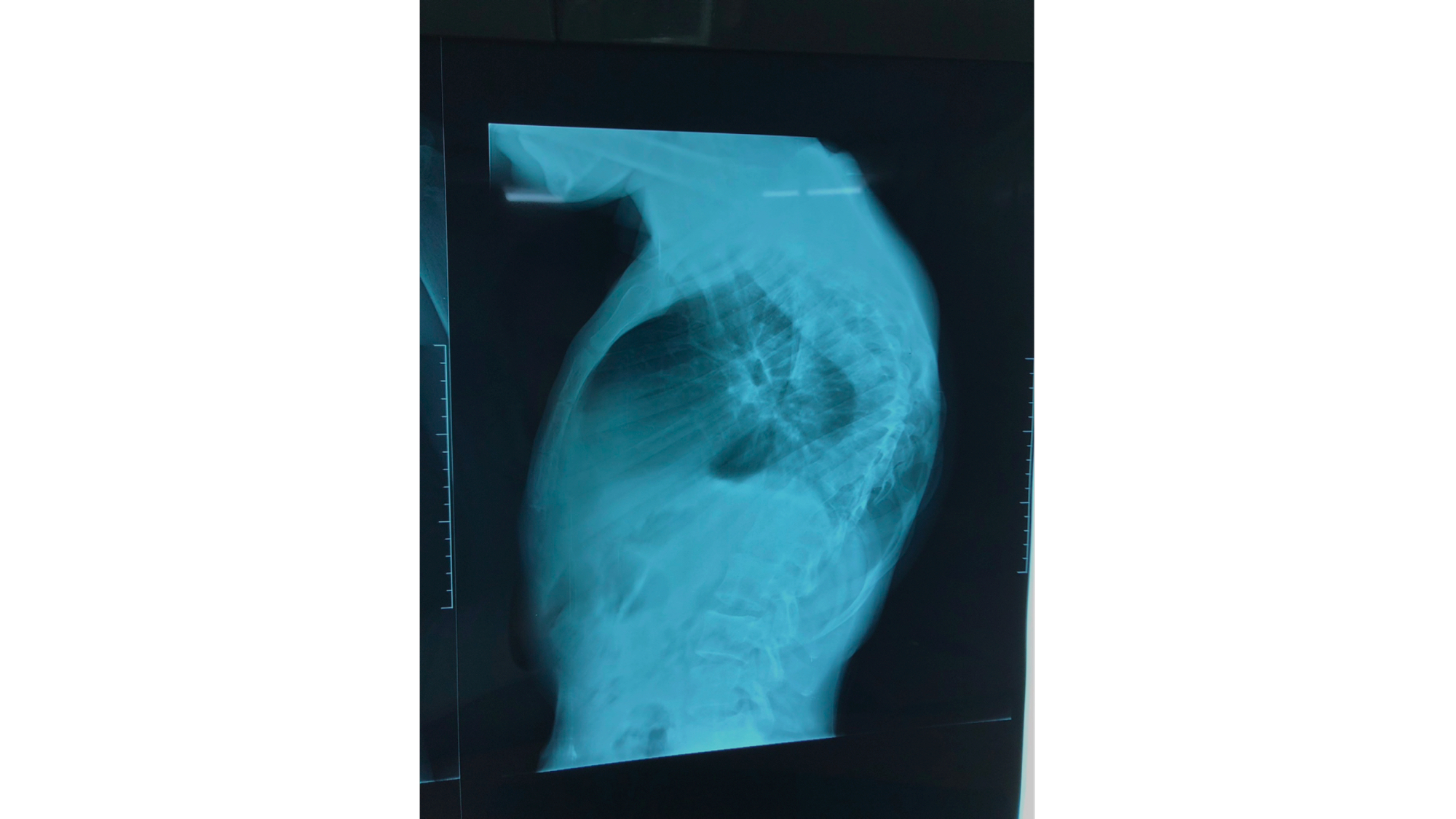
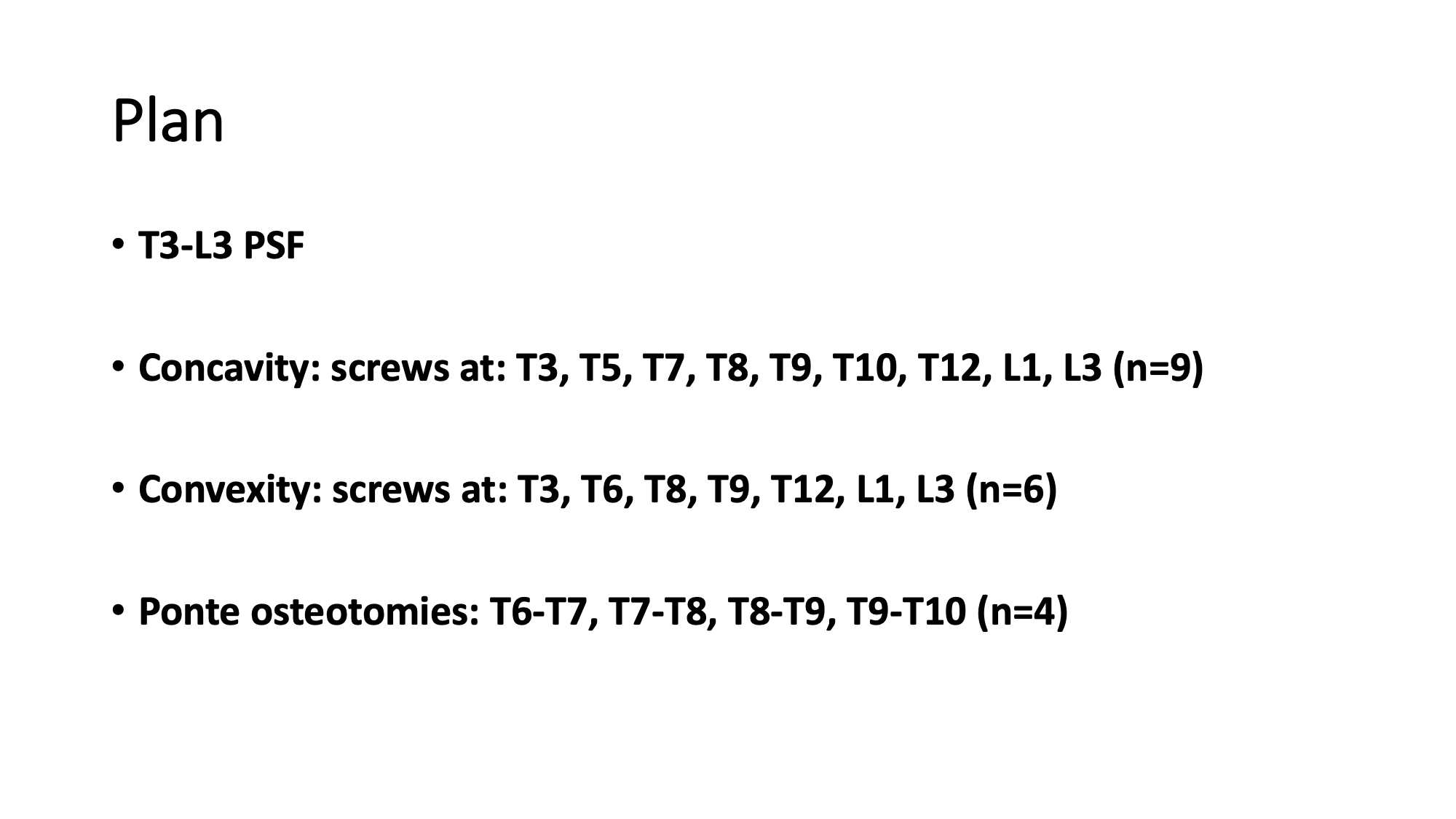
I was also able to meet the first two spine surgery fellows at AaBET. They are both neurosurgeons. The plan after next year is to alternate orthopedic with neurosurgery spine fellows. In addition to their teaching at AaBET, they are mentored by Dr Fasil Mesfin of Univeristy of Missouri, with whom they have weekly cases conferences. They were excited to show me two massive spine tumors they just operated on, one a giant, dumbbell shaped neurofibroma of the lower thoracic spine with bone involvement and preoperative paraparesis; the other a huge aneurysmal bone cyst of posterior lumbar element. Both needed pedicle screw instrumentation and big exposures. I am not a spine surgeon but the operative photos and postop xrays were very impressive.

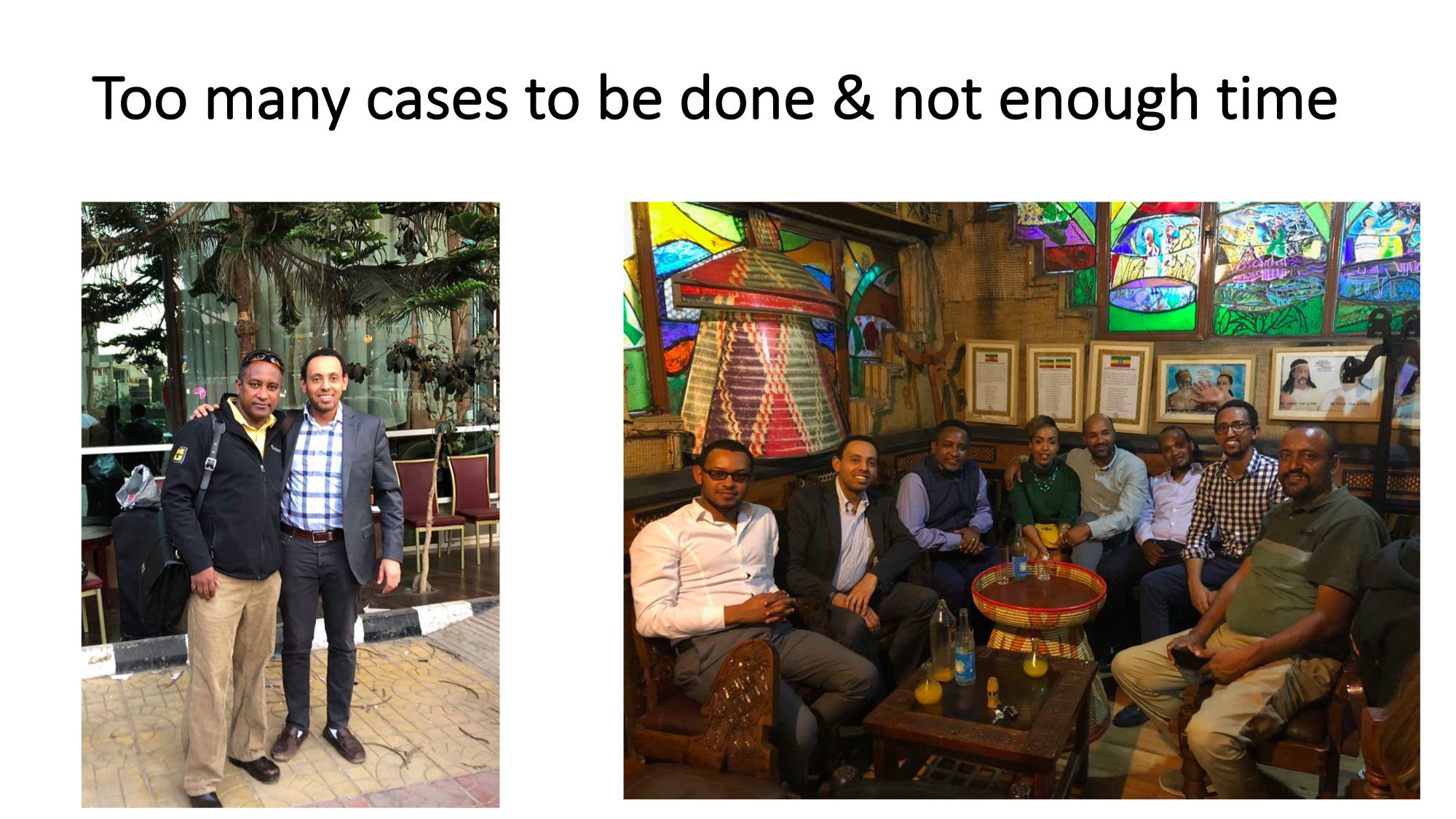
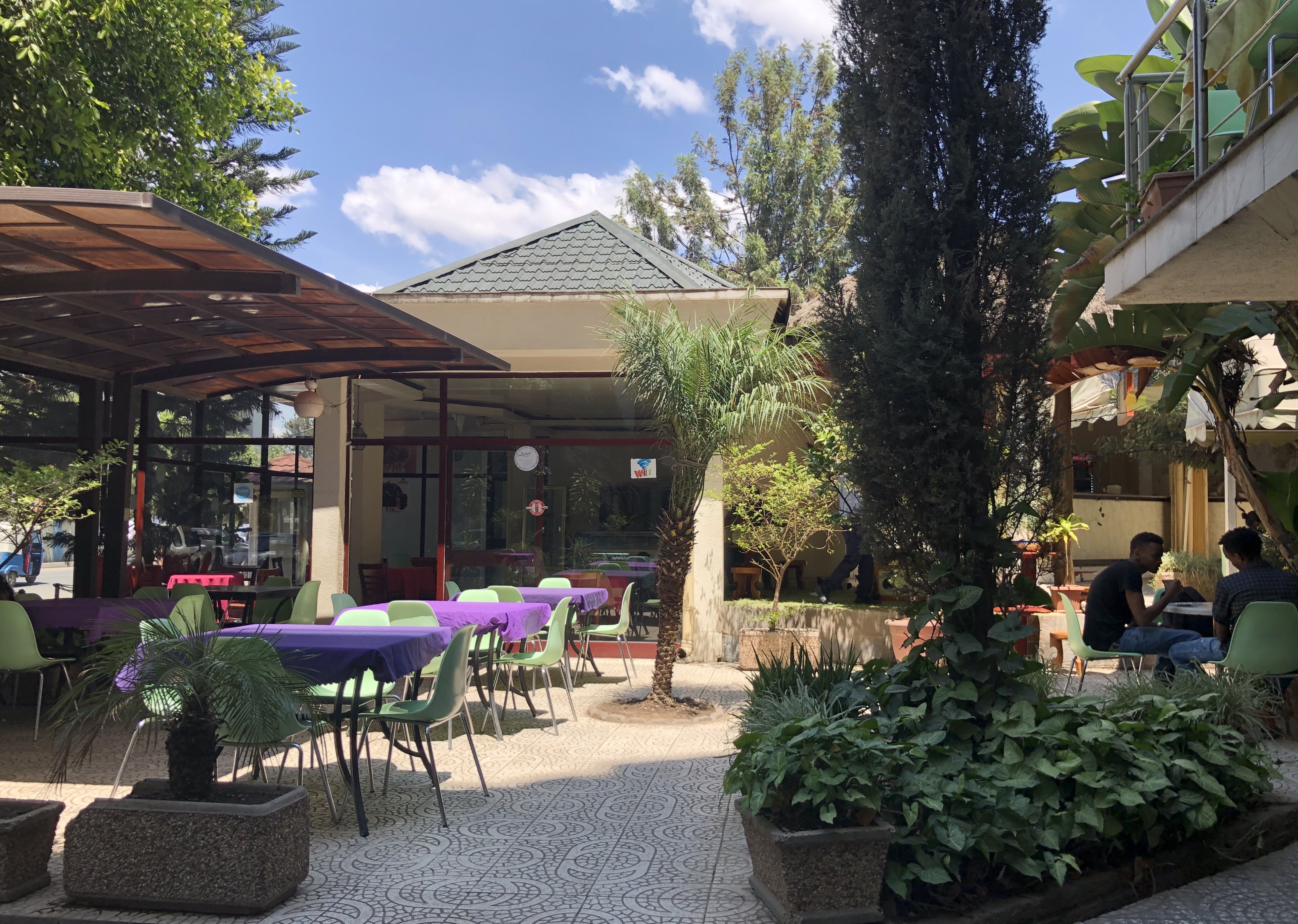
Dr. Mamo and I then drove over to Black Lion hospital and went to a popular lunch spot across the street. Dr Ermias came to join us, the first MSK oncology trained surgeon in Ethiopia. He did his fellowship in Glasgow and has been in practice at Tikur Anbessa for a little under 2 years. A second oncology surgeon, Dr Samson, was trained in Milwaukee and is working in Sodo hospital in the south, doing oncology and reconstruction. He will be joining Dr Mamo and a few other surgeons later this year in their newly hospital and clinic “Dream Orthopedics” (more on this below). A little later Dr Getahun, my host at Ayder hospital, joined us. He is currently in the midst of a 1 year trauma fellowship with Dr Geletaw, who also joined us later.
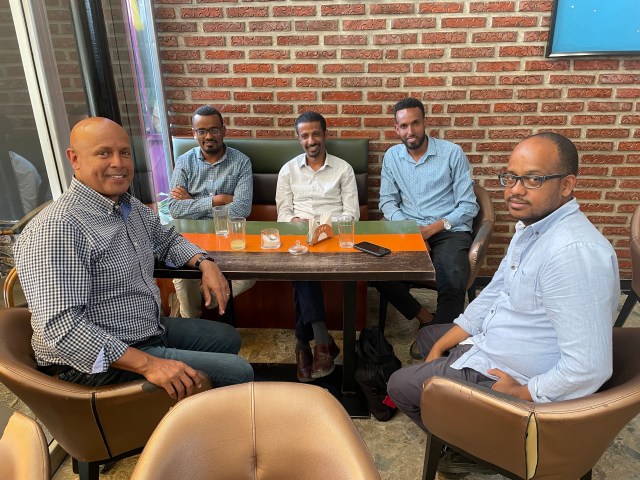
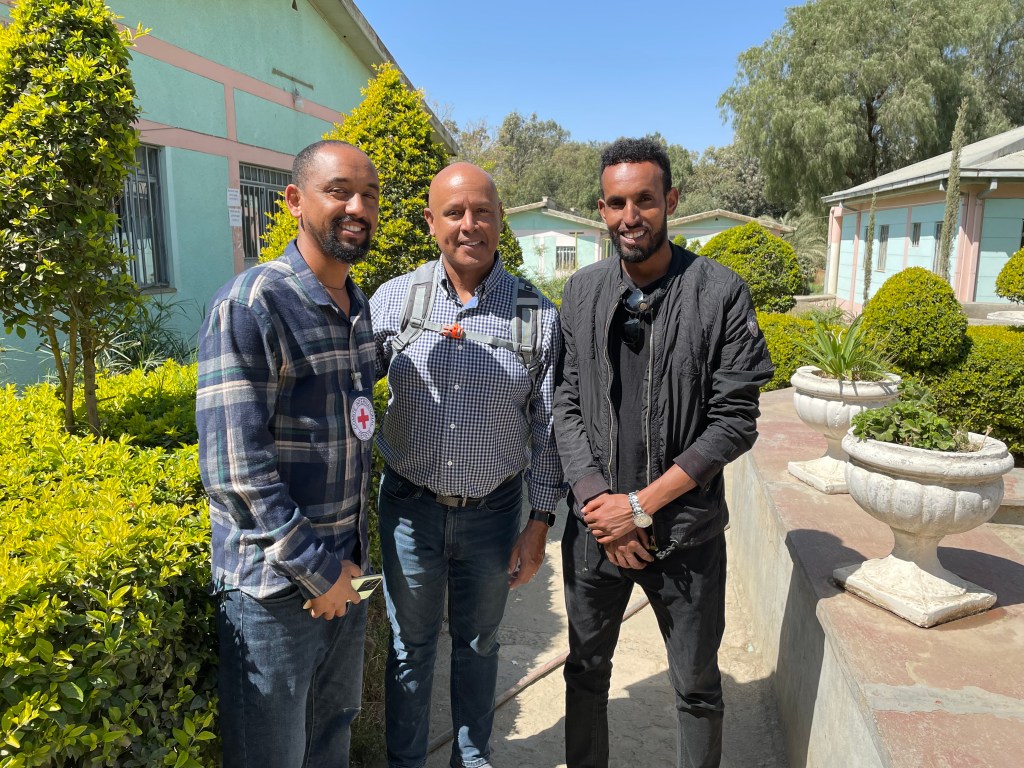
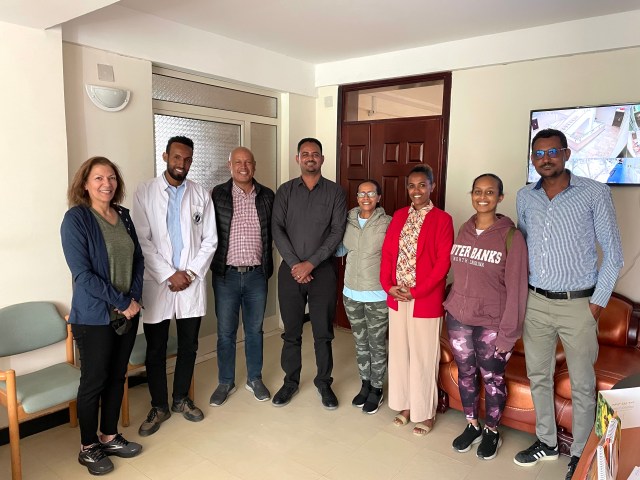
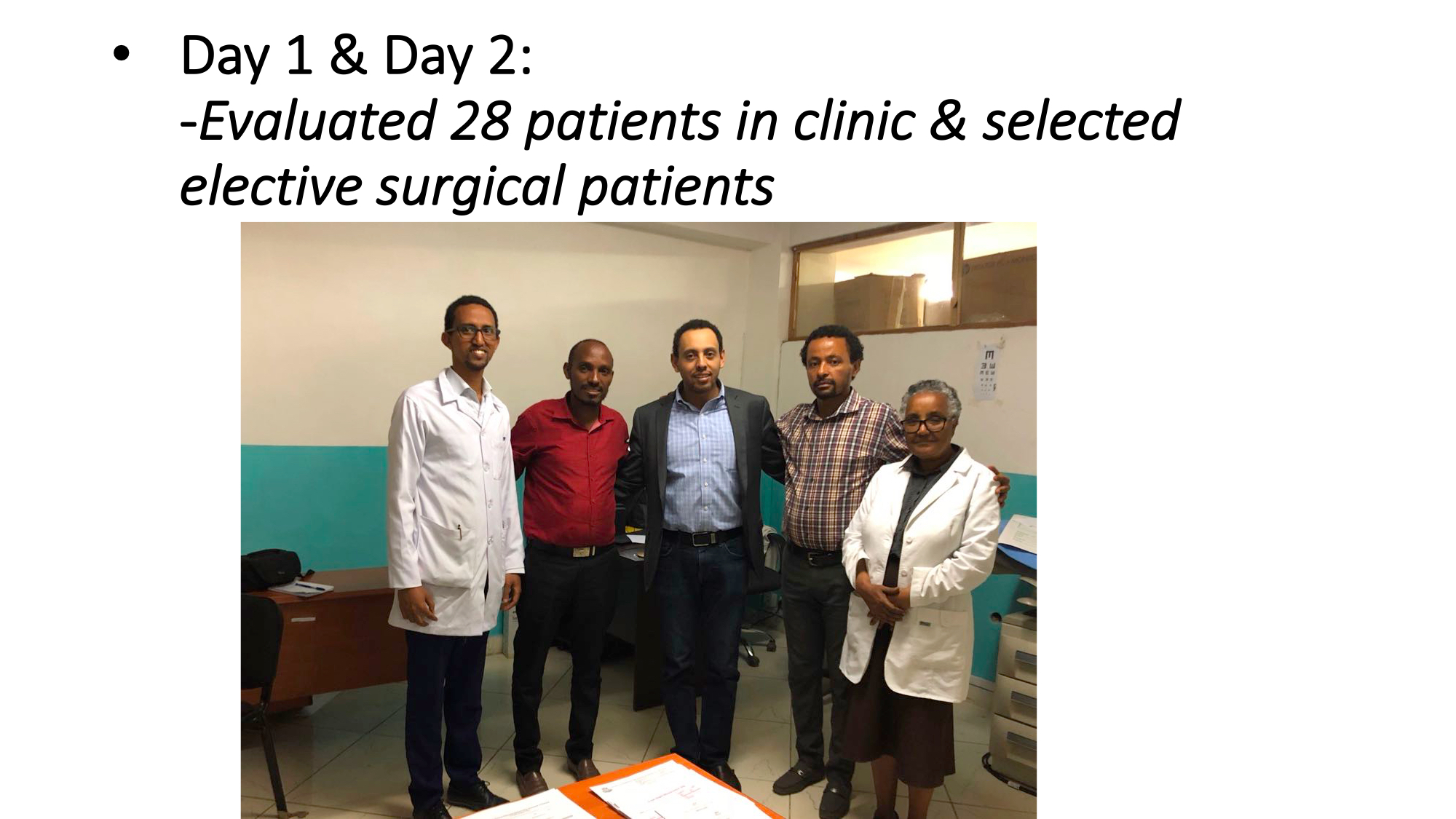
From left: myself, Drs Mamo, Geletaw, Getahun and Ermias

We had lovely time chatting, while lunch and drinking coffee. Both Drs Geletaw and Mamo have successful part time private practices. Dr Mamo is working with my old UCSF classmate Tewodros Gedebou at Marsha clinic. The business model is that space and adminstrative support are provided freely but surgical revenue is split between the clinic and the surgeon. 

It was great to finally meet Dr Ermias.He has a weekly multidisciplinary tumor board on Zoom. He collaborates with with the pediatric oncology service at Black Lion but due to scheduling conflicts they have not been able to attend each others’ tumor boards. He told me that copies of my textbook that I donated in 2019 are still circulating among the residents and remain appreciated.

The challenges he is facing are the ones that would be expected. Modular prostheses are too expensive and thus most bone sarcoma surgeries remain amputations. MSK pathology expertise is not fully developed. Most patients with primary tumors arrive late and with advanced disease. For soft tissue sarcomas, tumors are often very large and plastic surgery support is needed. This makes cases even longer and there is already not enough OR time to handle the patient volume, so treatment is often delayed. Especially during the war, when all orthopedic capacity was diverted to war wounded, these delays led to some patients becoming inoperable.  Even when there is a chance of cure for primary bone sarcomas, some parents resist amputation. I

proposed the idea of providing support for him to come to the annual MSTS (US orthopedic oncology society) meeting. He was very excited about the opportunity. It will take a little fundraising on our part and letters of invitation for him to get a visa, but both of us agreed it would be very helpful for networking and his continuing professional development.
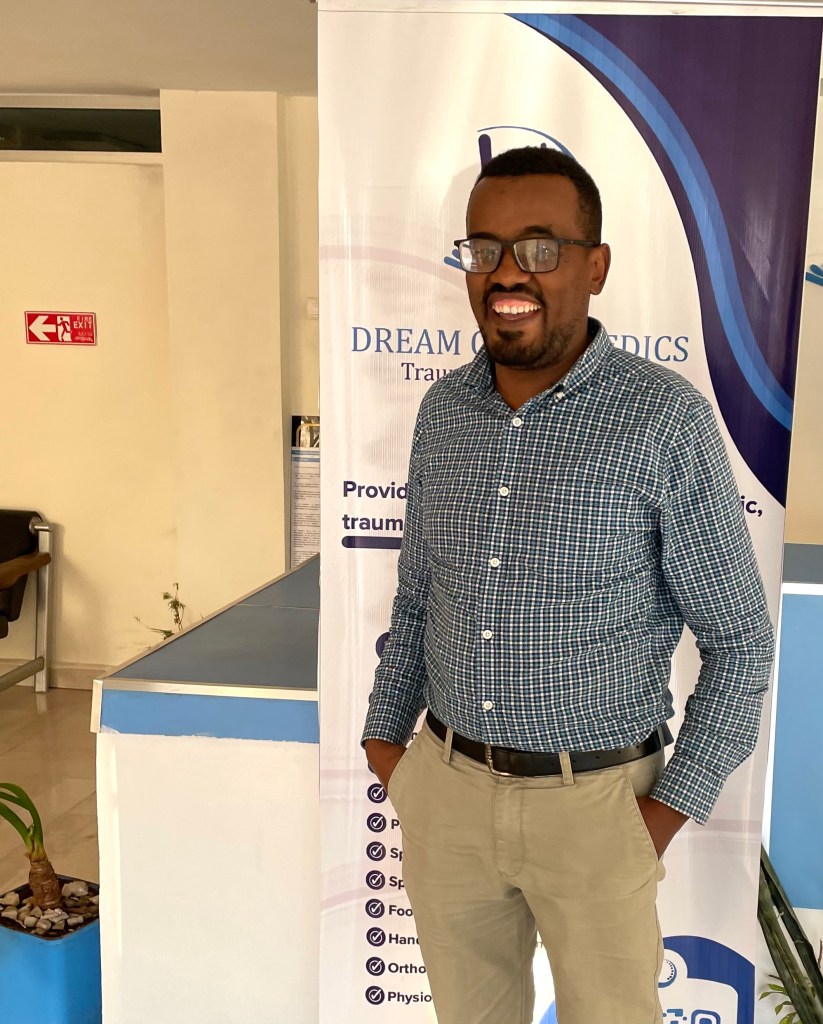
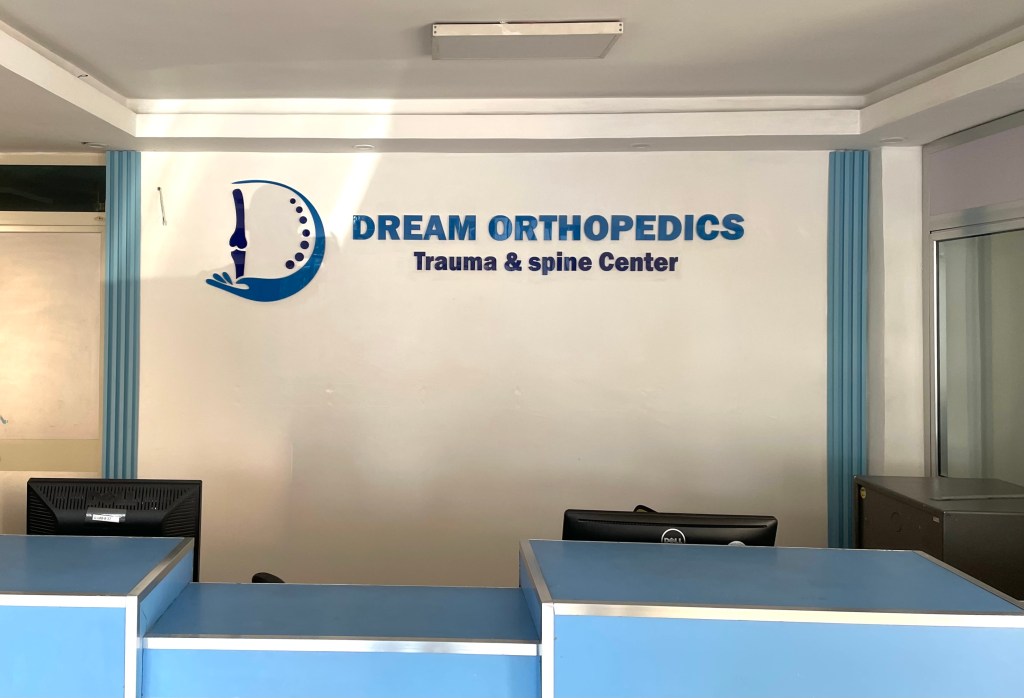
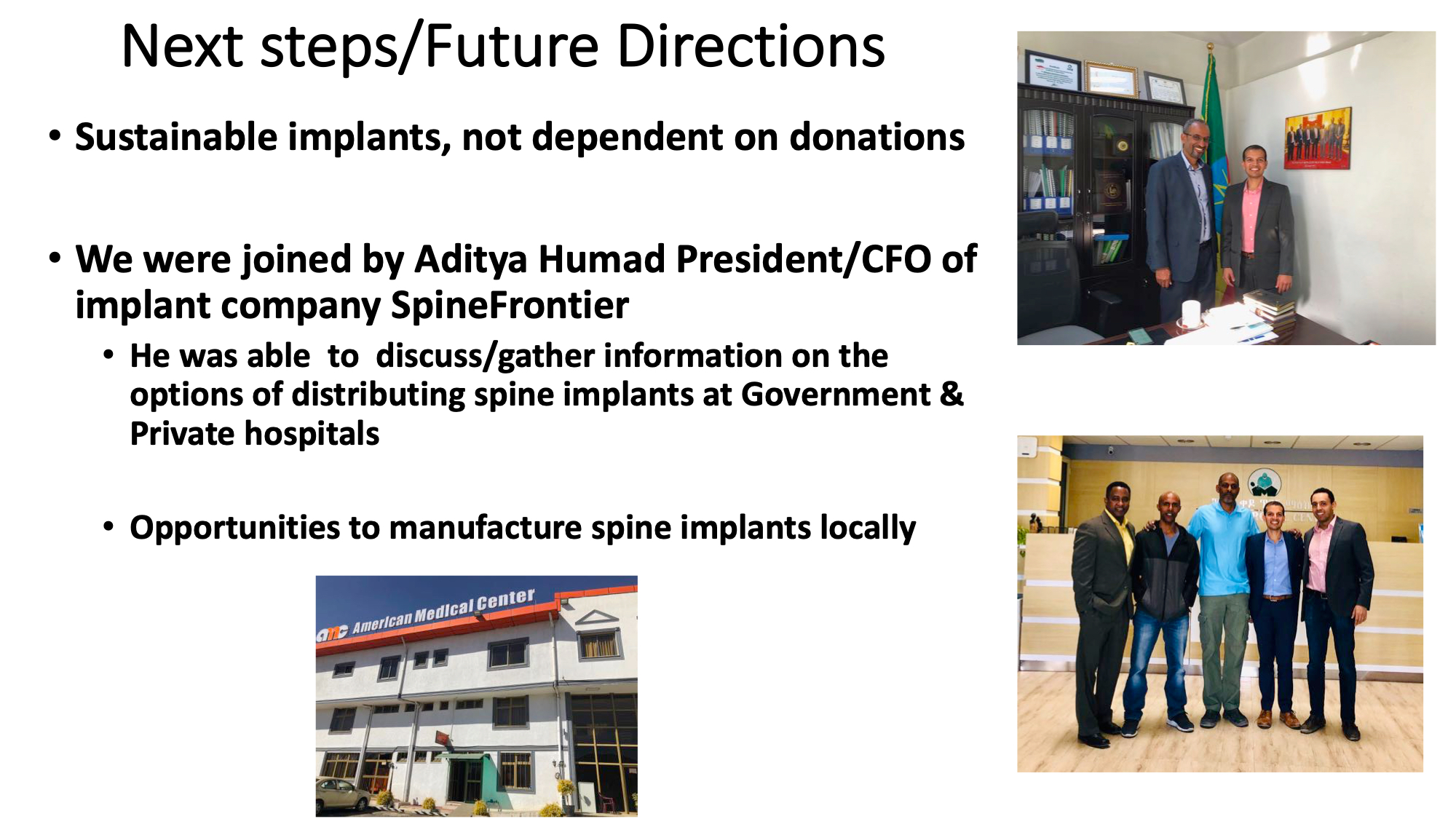
Afterwards, Dr Mamo took me to the still being constructed “Dream Orthopedics and Trauma Center.” Theirs is a big vision to provide 24/7 trauma care, including general surgery, cardiovascular and orthopedic surgeons. It is a new multi-story building, with 41 patient beds, private “VIP” rooms, 3 ORs, ICU, radiology, lab, CT scan and ambulance entrance. It was launched as a partnership by 5 surgeons backed by an Ethiopian medical entrepreneur who provided capital and access to loans, in return for equity. Mamo is the CEO and has spent the last 1 1/2 years immersed in the construction details, equipment acquisition and I’m sure a million other details. It is located near the old OAU headquarters, so in a central location. I am sure they will be very successful, and I am very happy for him. 

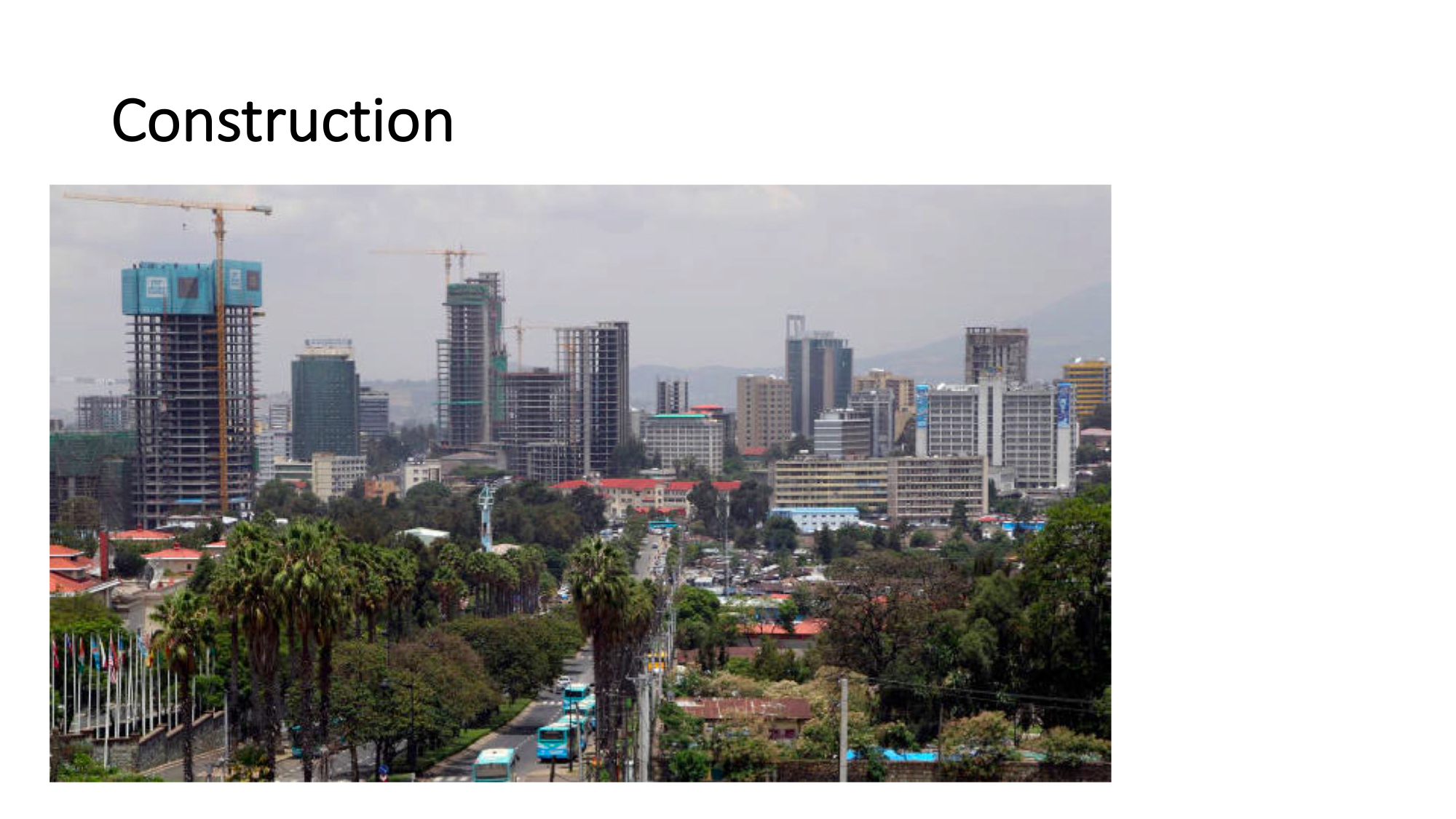
That was the end of my trip. The next morning I returned to Washington DC with a much clearer idea of the challenges in Tigray. I also saw first hand the incredible economic development in Addis, which will clearly soon be a health care destination for Africa. I also have many ideas of ways to make an impact, which will keep me busy for the next few years.
Visit Mekelle Univeristy

Thursday Jan, 26

This is one of a five part series of a visit to Mekelle, Tigray and Addis Ababa in January 2024. Below are links to the series, or you can just follow the “next” and “previous” links at the bottom. You can send a message to the author here.

  1. Arrival at Mekelle
  2. Visit Ayder and Awash Military hospitals
  3. Visit Ayder hospital operating rooms, ortho outpatient clinic, and Mekelle prosthetic center
  4. Visit Mekelle University
  5. Visit AaBET hospital, reunion with Black Lion docs

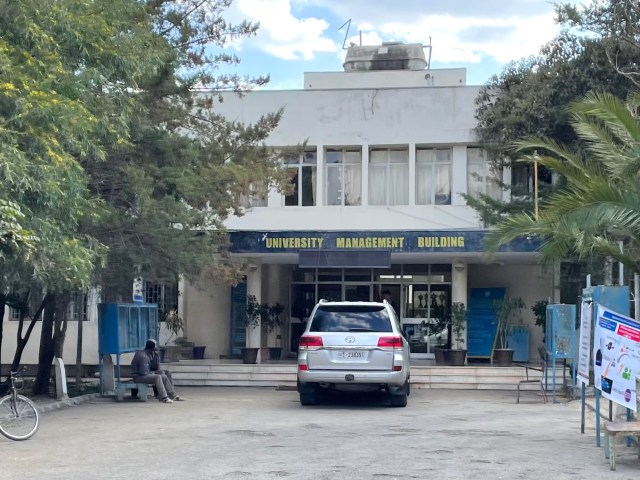
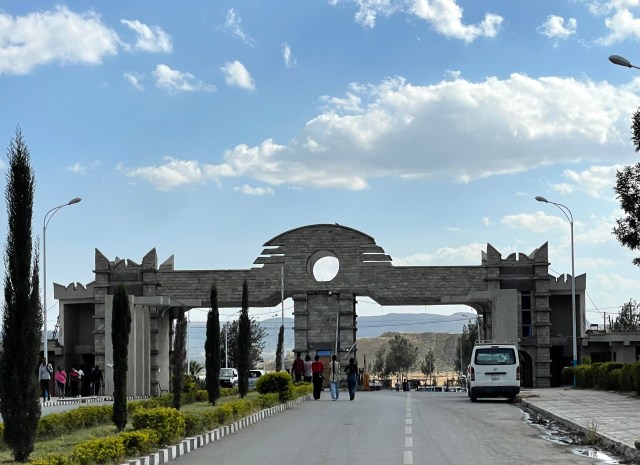
We left Adigrat midday to return to Mekelle and went to the university. I met with Dr Abdulkadir Kedir, academic VP of the university to discuss their request for access to online libraries. This was on behalf of one of my family members who is the executor of a bequest of late Tigrayan to fund support higher education in Ethiopia. Dr Kedir called the director of the library Dr Gebremedhin Araya Hibu to come over and meet with us. Both were very enthusiastic at the prospect of getting support to digital access to publishers. They already have access to Research4Life. I had found that some of their high priority libraries have free or reduced access for LDICs. Dr Abdulkadir was especially interested in getting access to digital text books, particularly in the medical and technical fields. He said Dr Gebremedhin will do the work necessary to gain access, we only have to be concerned with the support. Dr Gebremedhin said he will do some research on students actual information seeking habits to see what would be valuable to have access to. Afterwards, he walked me into the president’s office so I can greet Dr Fana Hagos. She received us very warmly.

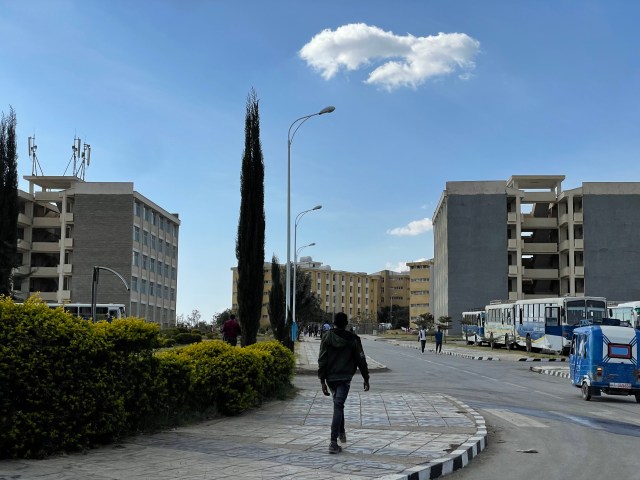
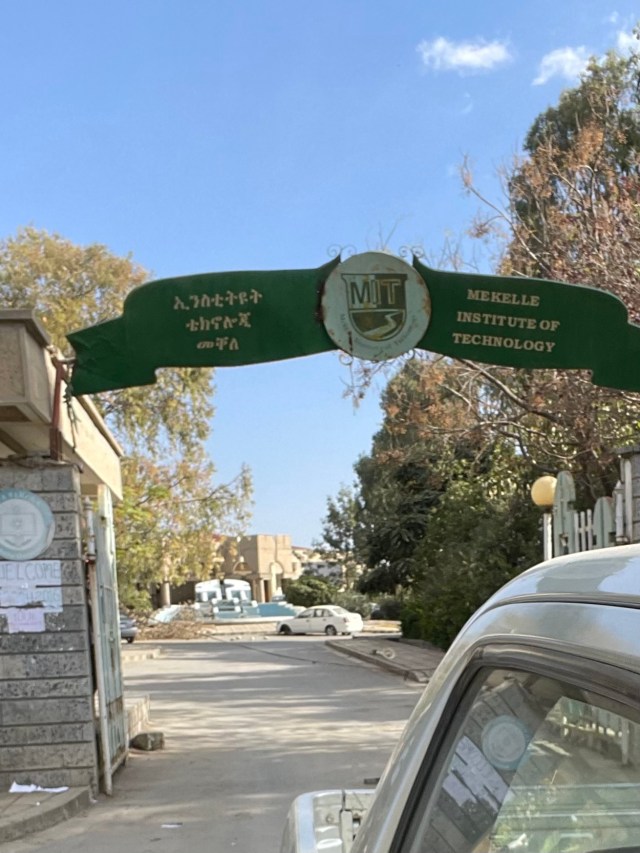
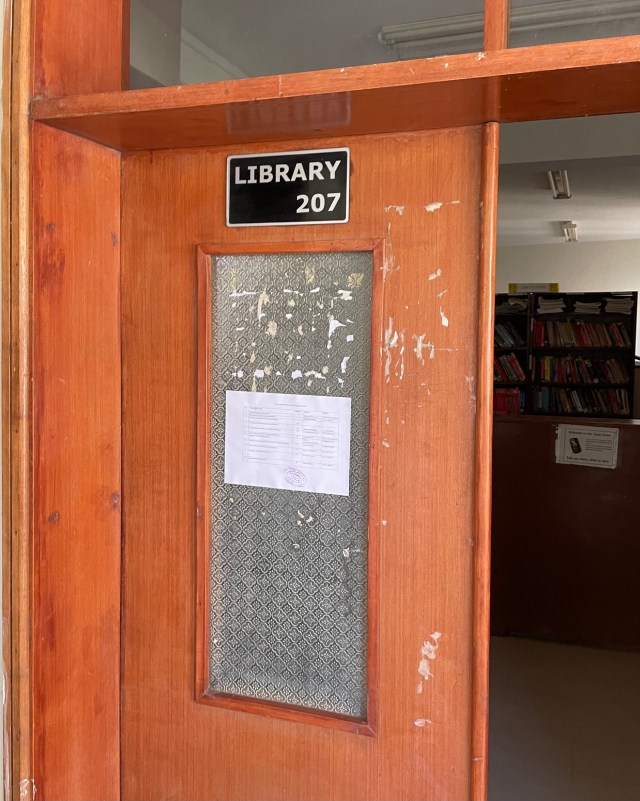
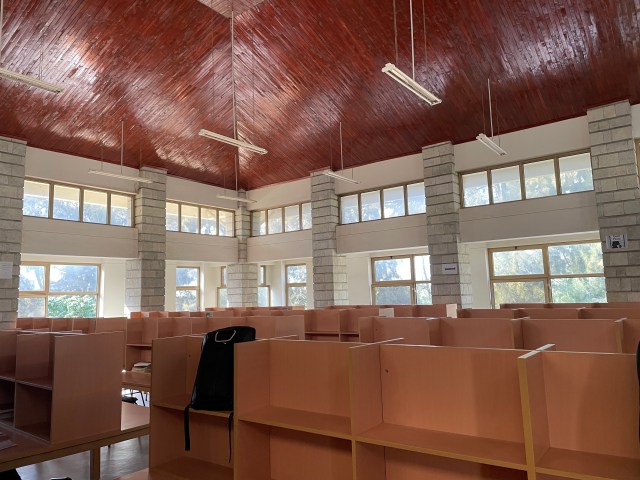
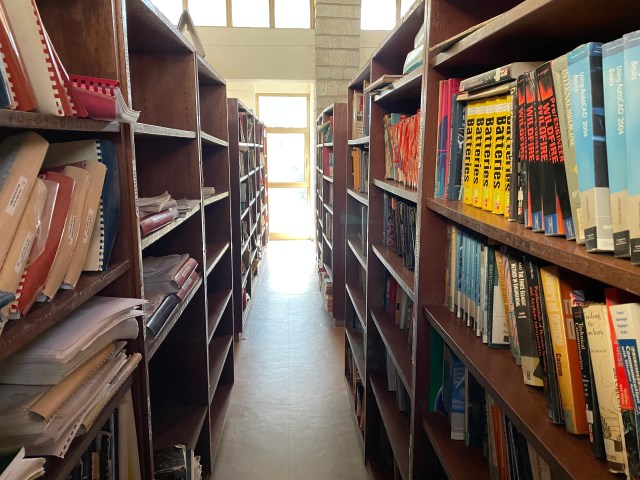
After we left the main university campus, we made a quick detour to the Mekelle Institute of Technology (MIT). We ran into Dr Kiros Hagos, the academic dean who gave us a brief tour. The campus was opened in 2011 with four faculties: electronics & communication technology, information science, computer science and one other. Since then, they have added biomedical engineering and material science. Civil and structural engineering is on the main campus. We saw the library, which is a lovely high-ceilinged room with attractive study cubicles. Their book collection however was very slim, with many volumes hand photo-copied and most very out of date.

In the evening, Brhane Teame the manager of MPOC came to the hotel. He gave a very clear description of their greatest challenges. Even before the war, they were one of the biggest if the not the biggest center that the ICRC supports worldwide. With the war, their backlog ballooned to 2500 patients or 9 months. They have been working double shifts, from 8 am to 10pm, since the war ended and they have now cleared their backlog of prosthetics. They still have a small backlog of orthotics. 

He detailed their several challenges. The first is the technology available to them. The ICRC champions low cost solutions and access to all. However, the prosthetic they can make are heavy and relatively uncomfortable. They are also less durable. New technologies, such as laminates, are lighter and more comfortable. Prostheses for above the knee (transfemoral) amputations still require belt suspension, which uncomfortable. The knee mechanisms are a simple, undamped design. The ankles for transtibial (below knee) amputations are simple uniaxial hinges. They have challenges with training for prosthetists. About a decade ago a training program was launched in Addis graduated 3 batches of prosthetists and closed due to lack of funding. Currently prosthetists are trained informally on the job, some have gone to abroad for brief periods. He again mentioned the challenge of keeping physical therapists since the salary is so low. The buildings in which they work were originally a feeding center during previous food shortages and not built appropriately for a workshop with large heat producing equipment. Since their patients come from all over, managing minor problems such as a broken foot is burdensome for patients. They would like to expand their outreach program. Their current vehicle is 38 years old so not safe enough for appropriate outreach to rural communities. 

Dr Amanuel also came to the hotel. I had requested a little more time to help me solidify my ideas, having toured the various facilites. We had another long conversation, this time more focussed on professional development. He share a couple of anecdotes of visiting doctors who helped identify promising physicians, who then went on to training abroad. As they returned they built programs to expand care into new directions, for example in critical care medicine and laparoscopic surgery. His observation was that the doctors, once trained and committed to their subspecialty, drive continued training at Ayder and the acquisition of critical equipment such as ventilators and laparoscopic towers. 

When he was chief of Ayder, they would get funds for various health projects. From those grants, he would keep 10% administrative fee and used it to fund training abroad. This has since stopped. The government does not fund foreign fellowship training.

I suggested that establishing a competitive scholarship to fund fellowship training abroad would be very effective way to identify and develop talent. He was very enthusiastic about this idea. I think this could be my focus: invest in people. 

Visit Ayder hospital operating rooms, ortho outpatient clinic, and Mekelle prosthetic center (MOPC)

Wednesday 1/25

This is one of a five part series of a visit to Mekelle, Tigray and Addis Ababa in January 2024. Below are links to the series, or you can just follow the “next” and “previous” links at the bottom. You can send a message to the author here

  1. Arrival at Mekelle
  2. Visit Ayder and Awash Military hospitals
  3. Visit Ayder hospital operating rooms, ortho outpatient clinic, and Mekelle prosthetic center
  4. Visit Mekelle University
  5. Visit AaBET hospital, reunion with Black Lion docs

Dr Getahun and I took a bajaj to the hospital and went directly to the operating room. There are seven rooms serving a busy hospital. As a result, each service line is only given limited time. Orthopedics gets 1 room 3 days a week1. This is a big limiting factor and contributes to their 4 year waiting list (!). The 15 orthopedic surgeons rotate among the three hospitals for 2 week stints (Ayder + 2 military hospitals), 5 docs at each hospital. At Ayder, one doc is the OR, one in the clinic and two on the wards and one responsible for resident teaching.  In addition to Ayder, there is Mekelle Hospital in town where orthopedic surgery is performed. Dejen hospital, the second military hospital has three operating rooms.

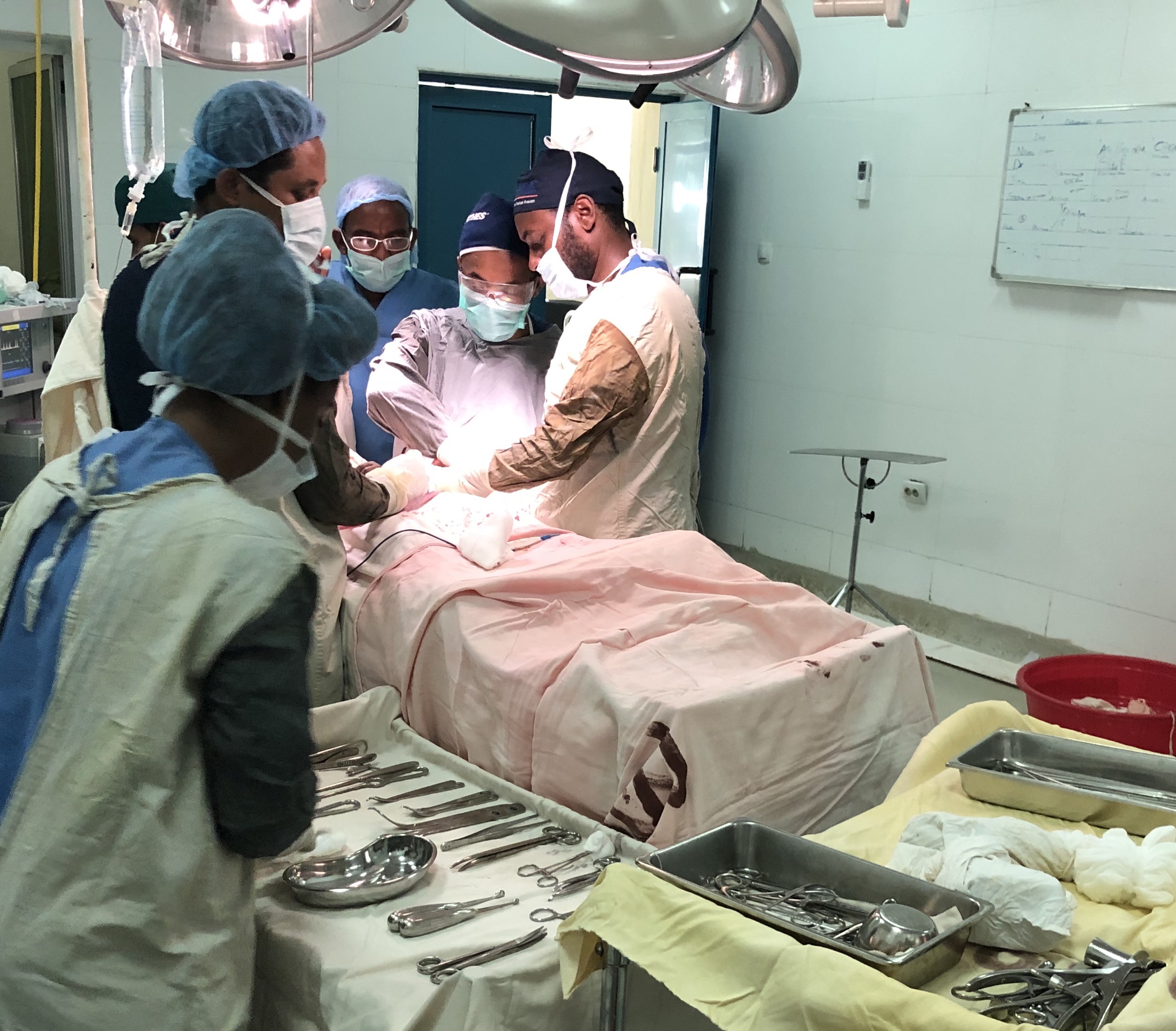
In the OR we watched ORIF of a both-bone forearm fracture. It was done with a supraclavicular block, with the patient awake. They have an older Philips c-arm which does not get moved out of the room. Neurosurgery and cardiovascular surgery also use the c-arm. The plates and screws are Indian from Sharma Orthopedics, which I am guessing were donated by Australian Doctors for Africa (ADFA). They work well enough but the screw heads tend to strip. This can make hardware removal especially difficult. Nails are supplied by Sign, which as always has been a great partner. They work well, and are available for femur, tibia and humerus. Dr Getahun is the Sign representative, which means he is responsible for submitting the data back to Sign, which is the prerequisite to get a new batch of nails shipped.

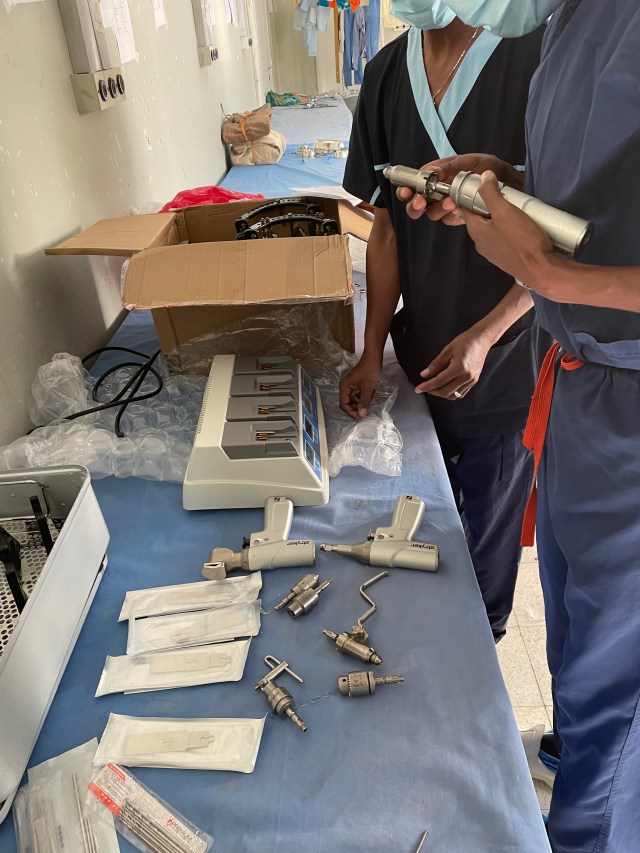
Unboxing and testing the donated Stryker System 7 set

Before we left the OR area, we accompanied two of the orthopedic nurses to open the boxes containing the donated Stryker power instruments and the external fixators. They already had a Stryker battery charger, so now they have two. 

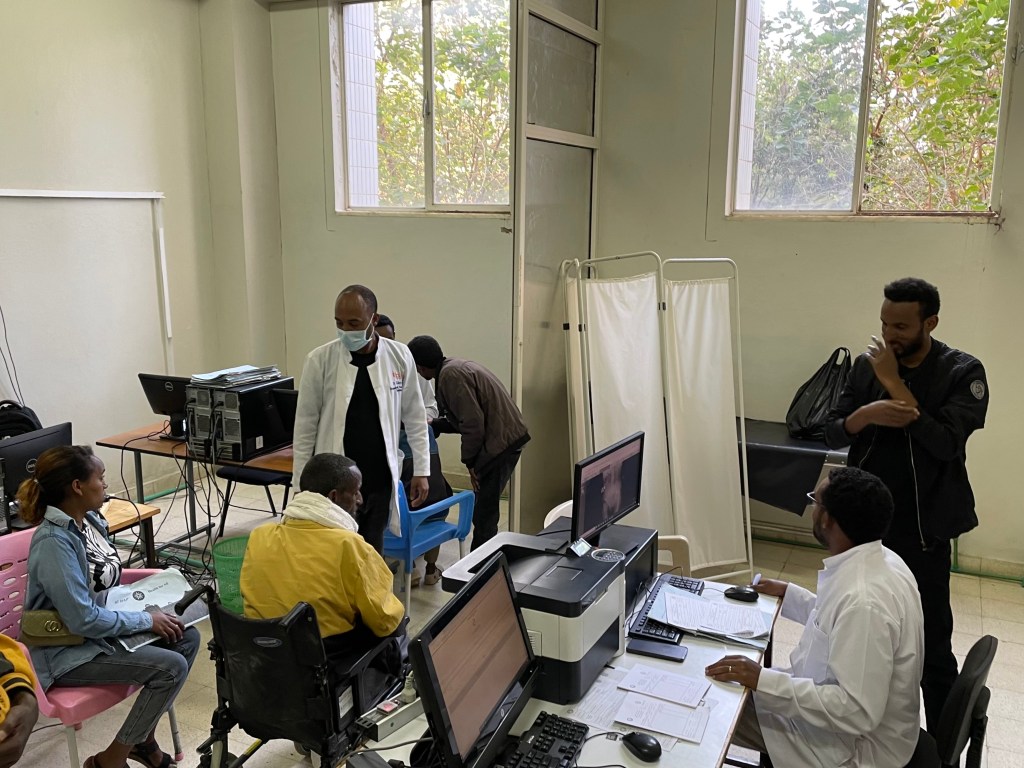
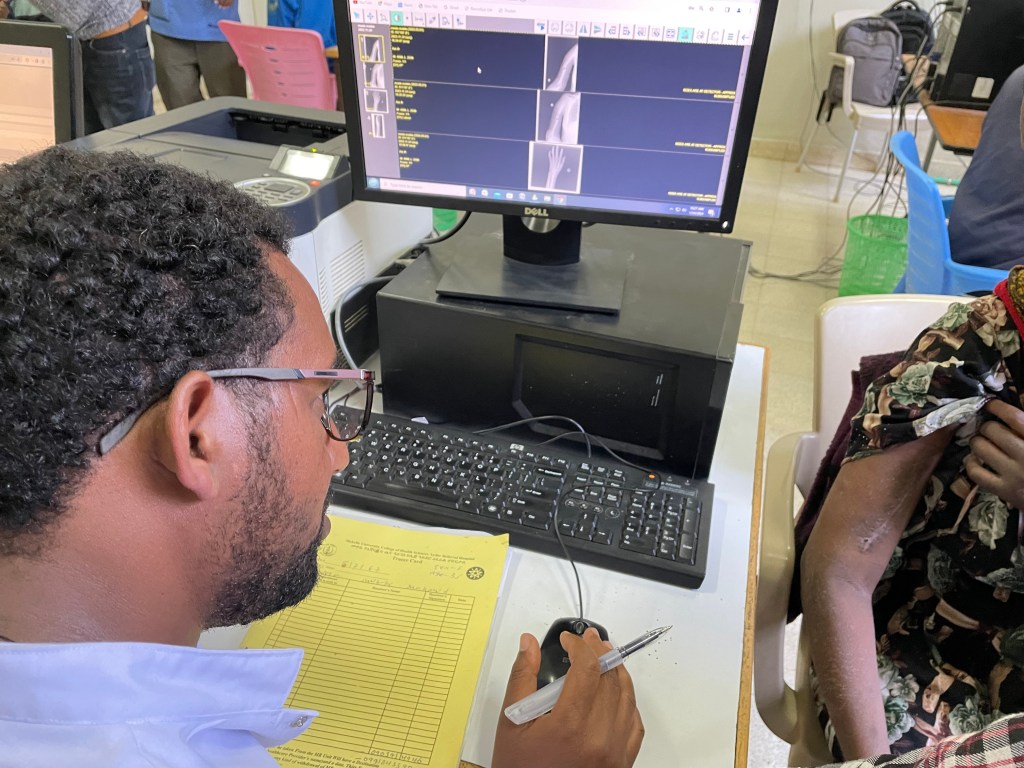
We walked over to the outpatient clinic. It was a large room with multiple tables, each with a computer. Three patients are seen simultaneously. There is one attending and two residents. About 60 patients are seen daily, all of whom are requested to arrive in the morning. They are seen in the order of the numbers they are given, I do not know how the numbers are given. Xray is near the clinic and the images are all digital. Records are on paper. Some of the patients are military patients who come for second opinions. Some seem to be just interested in getting a disability score, with the hope that someday there may be compensation. We stopped by Sister Eden’s office, the head of nursing, to drop off some donated scrubs before leaving the hospital.

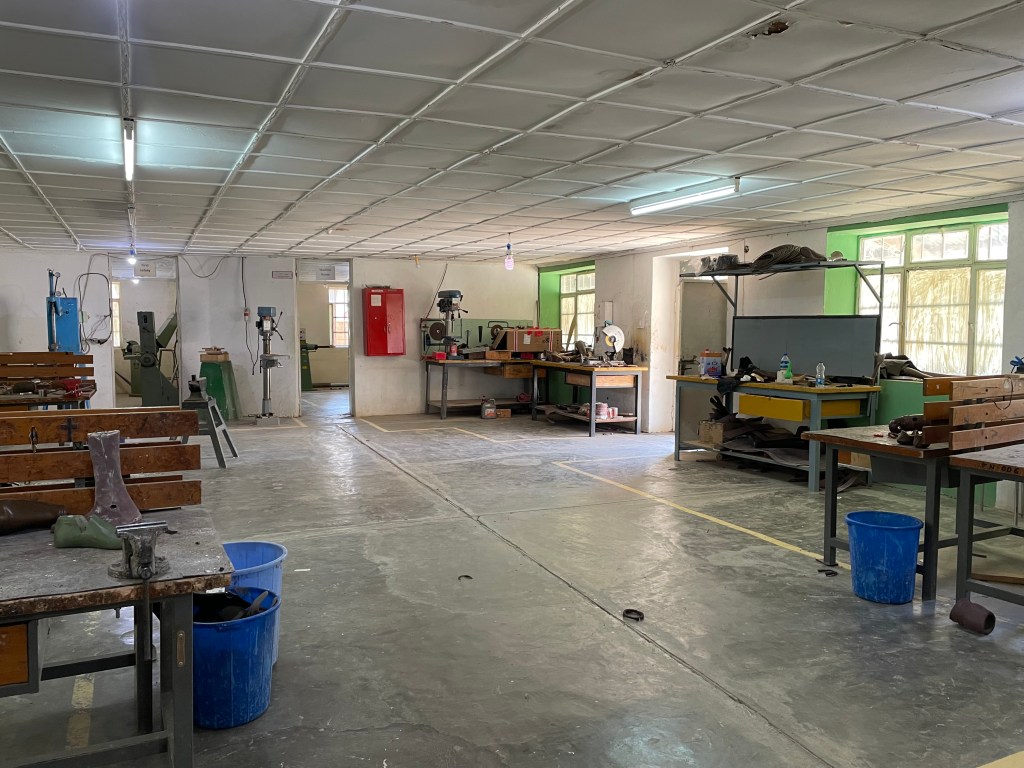
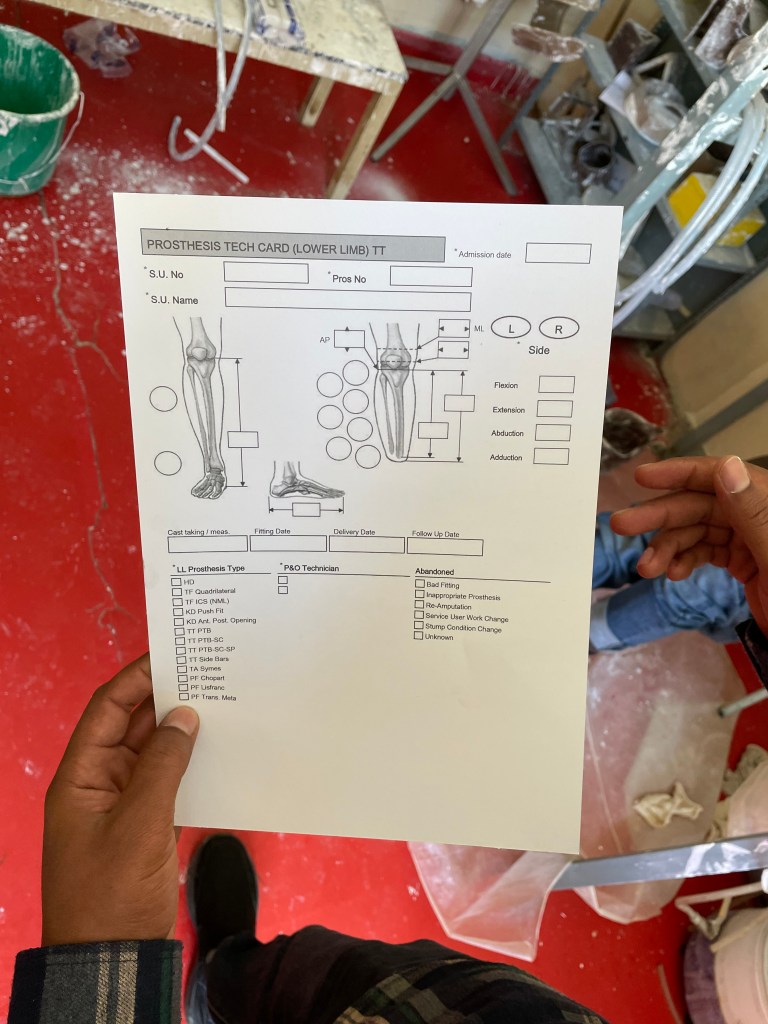
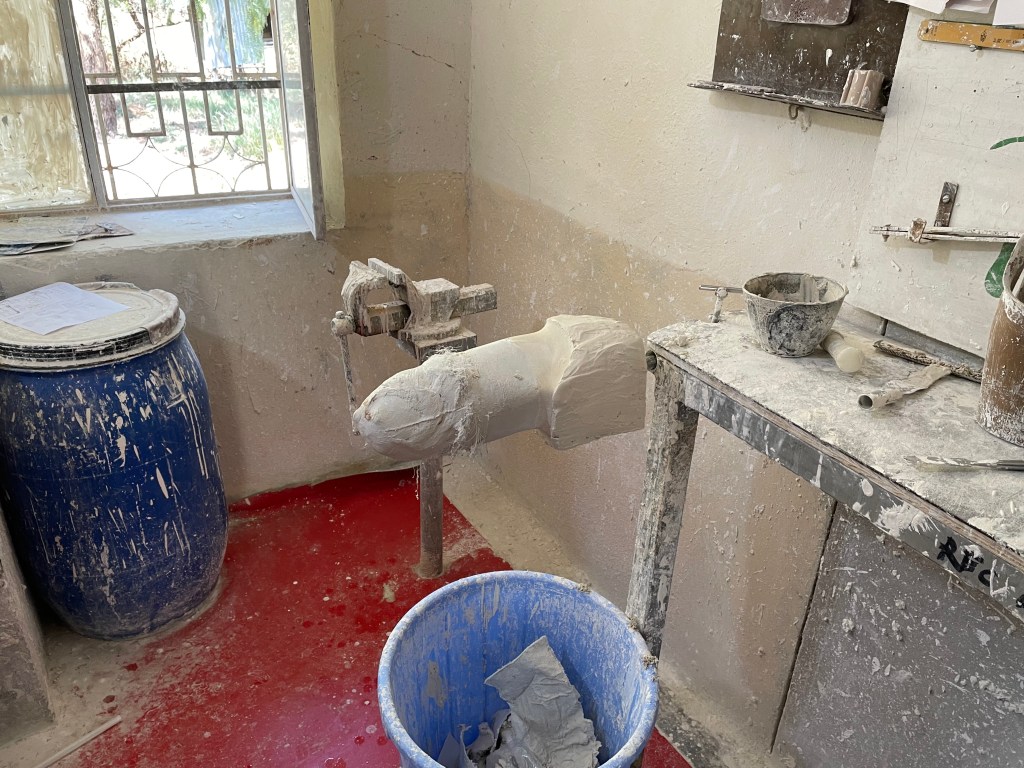
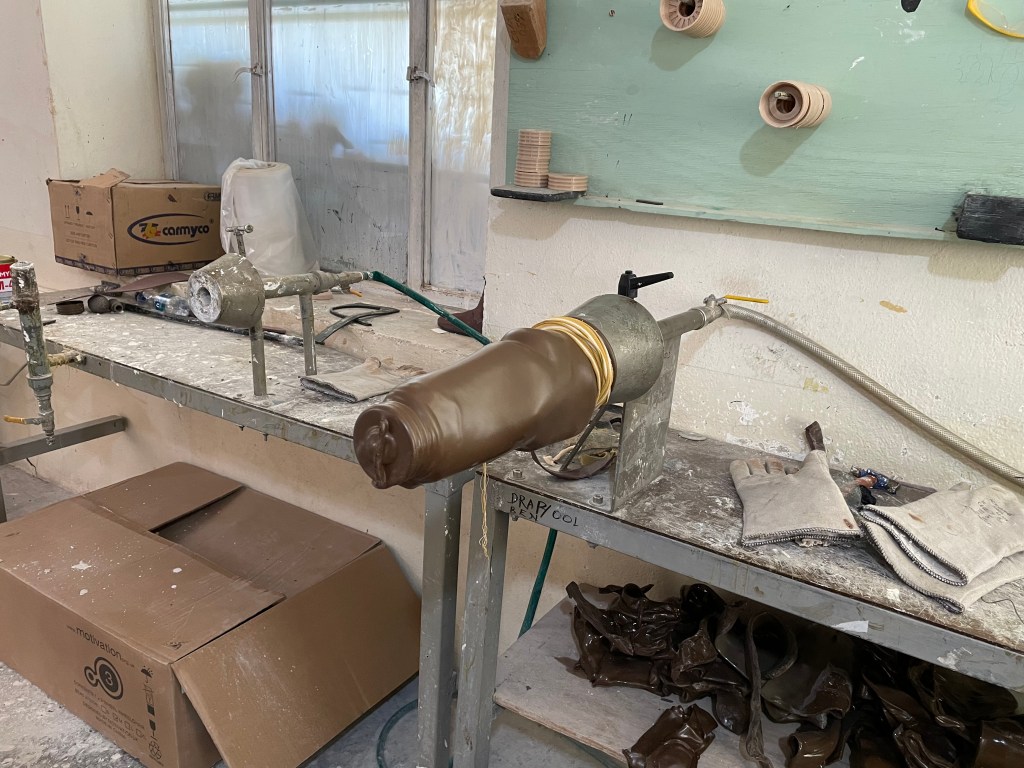
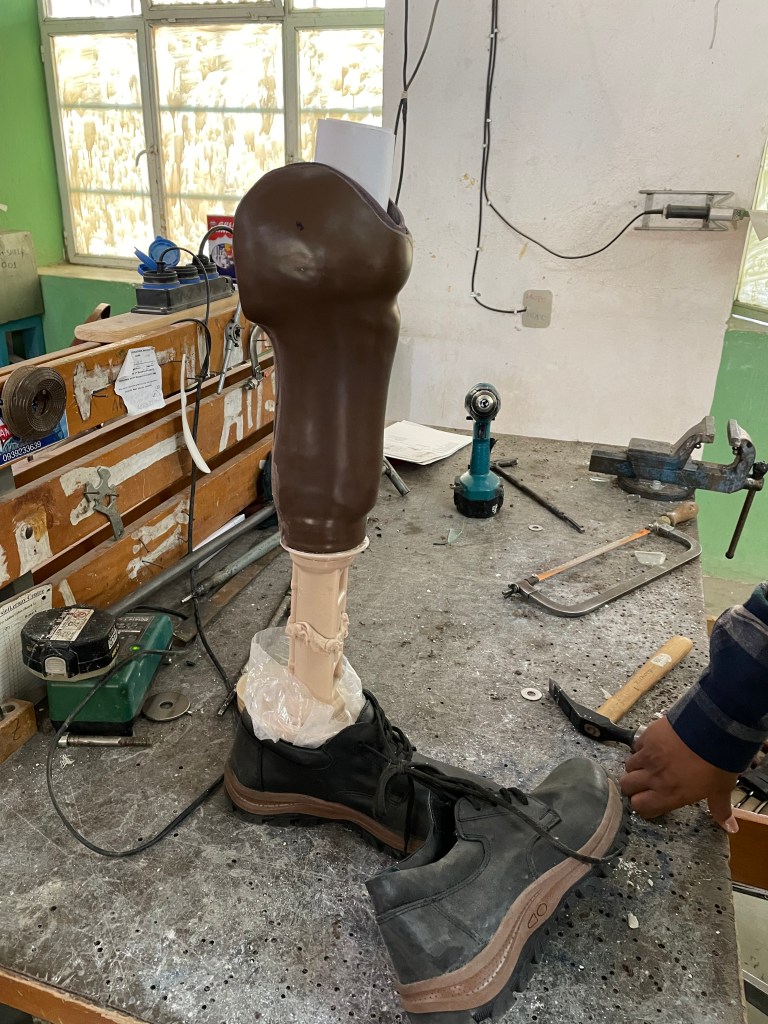
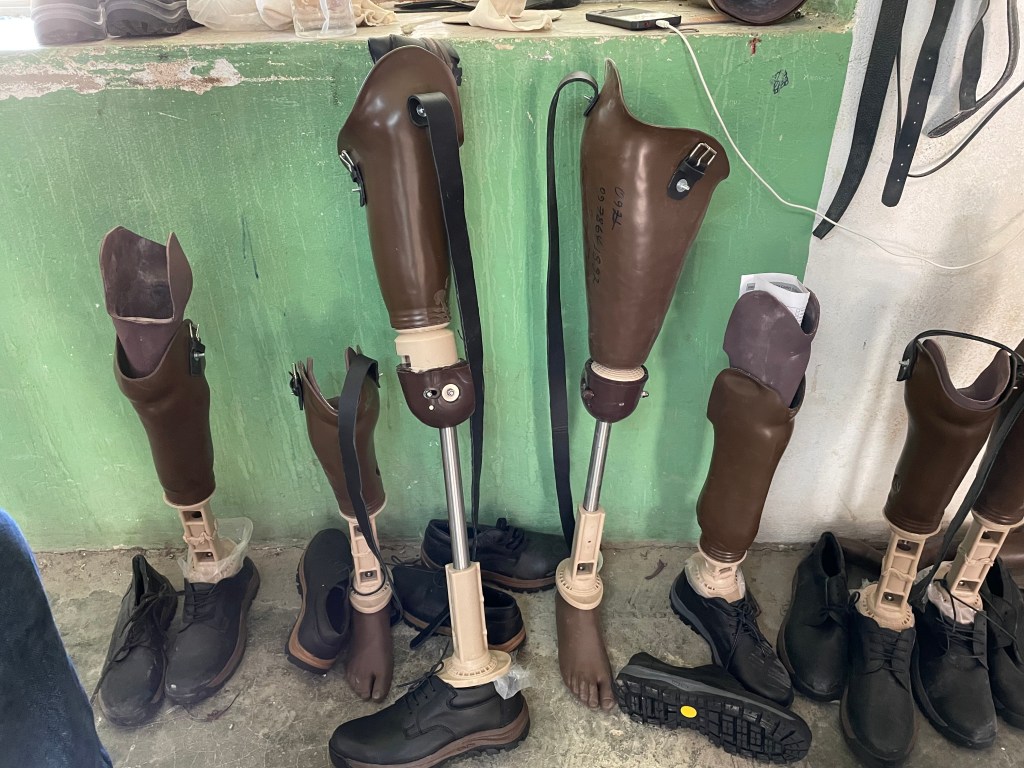
We next went to go the Mekelle Orthotic and Prosthetic Clinic (MOPC). This is in the middle of town and is a lovely compound with multiple buildings. Ato Mussie, the prosthetist gave us a detailed tour. It is the only prosthetic lab in Tigray, and serves the neighboring portions of Wollo, Afar and even Eritrea. They have integrated physical therapy. They fabricate their own custom sockets and keep very detailed records on every patient. The knee and ankle mechanisms are imported, in order to get durable quality components. The remainder is manufactured in house. The knee mechanism is a simple undamped hinge. The foot is rigid SATCH ankle. They provide a pair of shoes. 

Even before the war, they had a backlog, but with the war the list skyrocketed. For the last 9 months they have been working double shifts, from 8 am to 10:30pm, trying to catch up. With this, they and have emptied the backlog and are planning on resuming normal schedule within a month. Before, they were making 15 orthotics and prosthetics per week. During the siege and war, they were producing ~50/week, or a 3x increase. After the war, this increased to ~93/week. They now expect to reduce to ~50/week or 10-12 day, which is still nearly triple of prewar levels.

They are heavily supported by ICRC, which supplies all the raw materials for the sockets, including the polypropylene shell, soft inner material and I would guess the cast and mold material. They also provide some personnel support, in the form of volunteer prosthetists who spend ~2 months at a time. However, they are managing this incredible productivity with minimal resources. Incredibly, for three years they received no salary. They just kept working to support their patients. Their salaries are way too low in an increasingly expensive country. Their provided budget is not enough for the supplies not provided by ICRC. They do not have enough prosthetists as the only training program in the country has been closed for years. Keeping physical therapists have been a challenge because the pay is so low. 
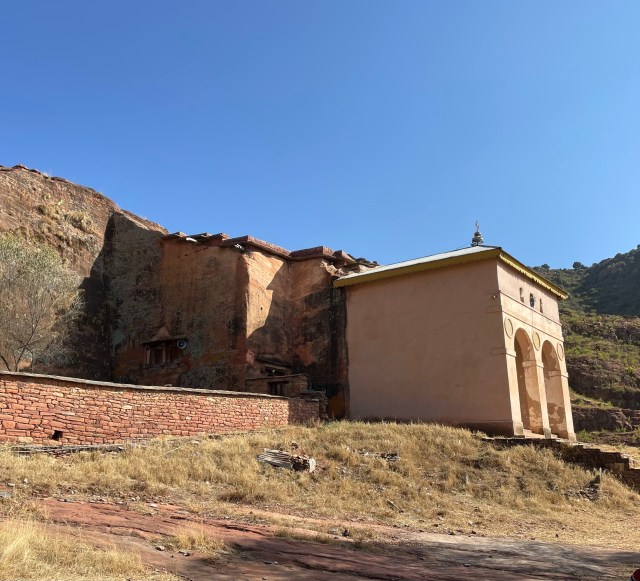
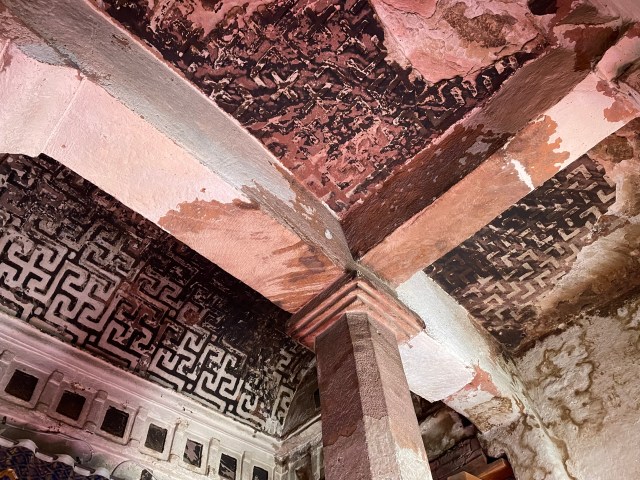
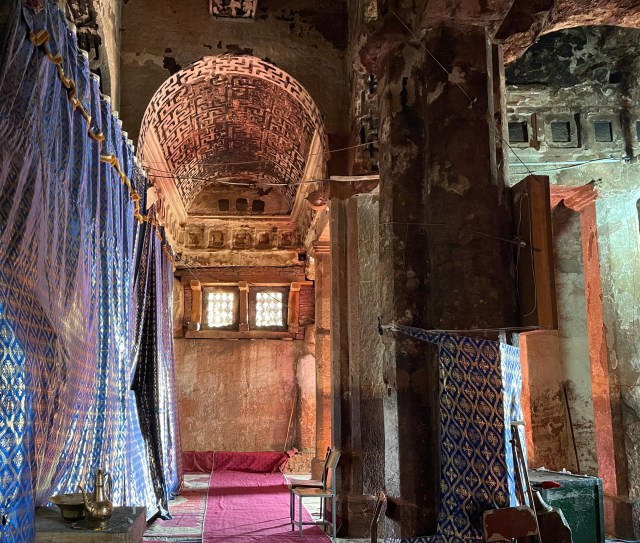
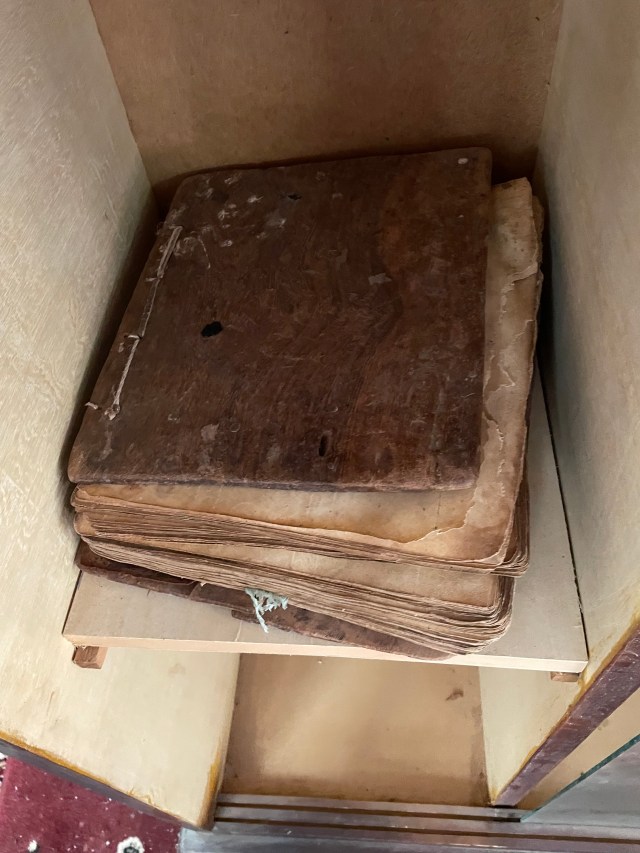
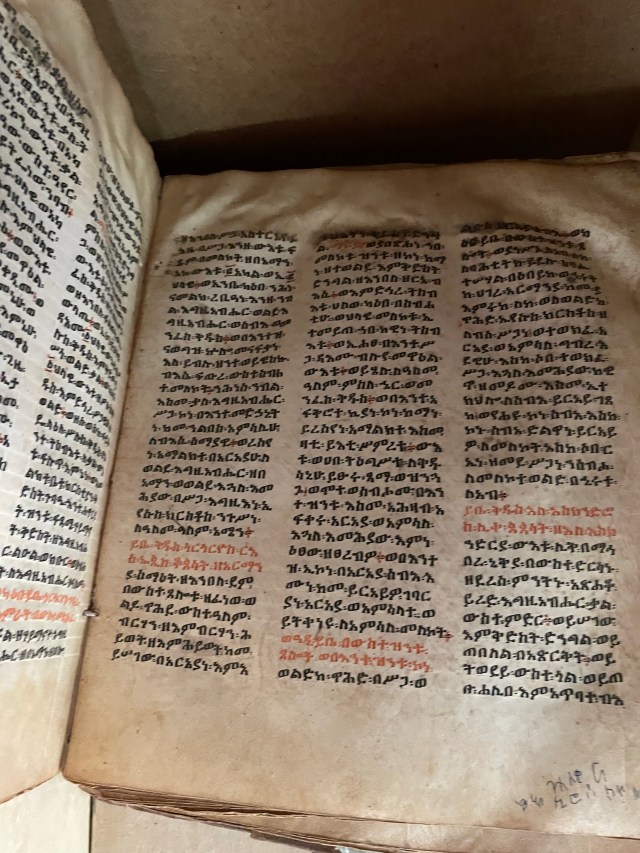
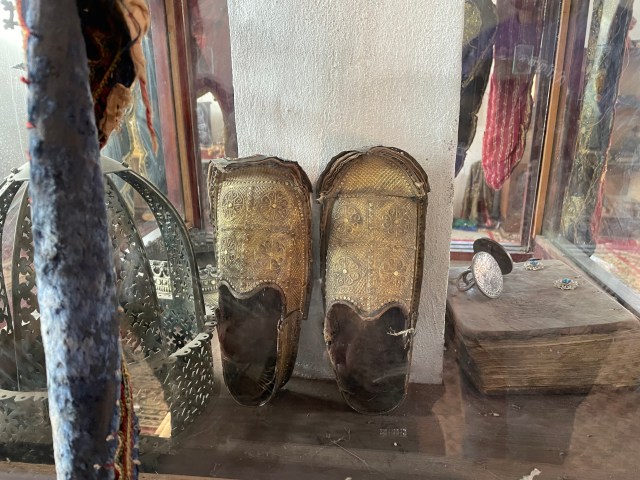
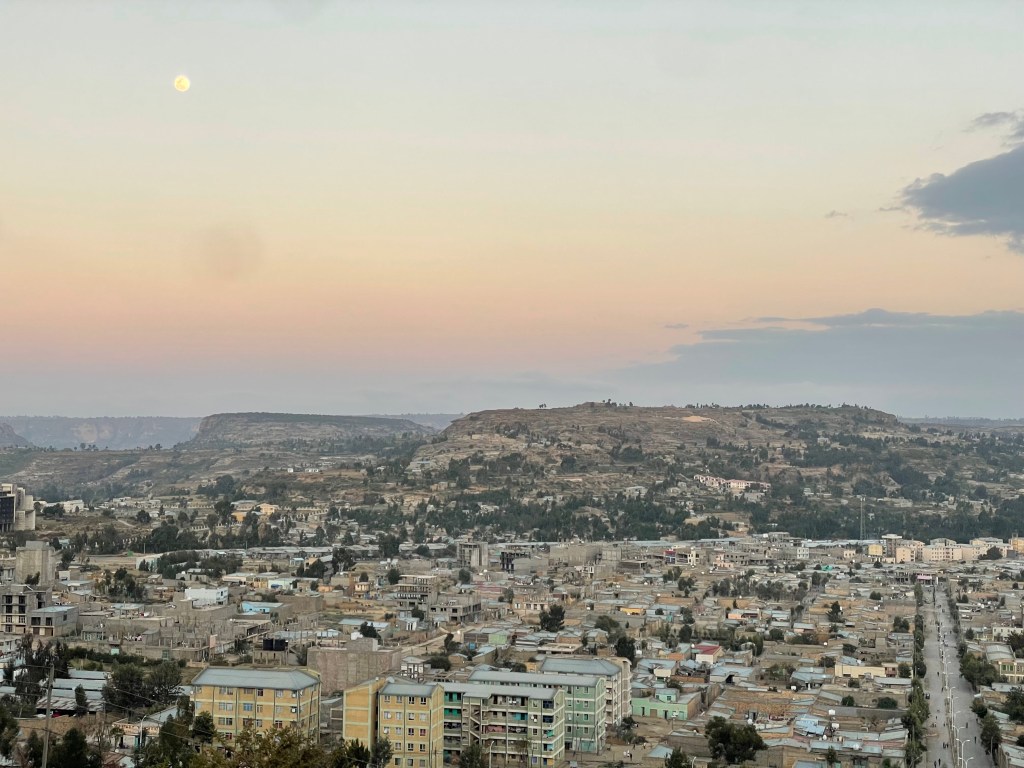
In the afternoon, we left Mekelle. We had lunch in Wukro and then visited Abra and Atsbeha, a rock hewn church more than 1000 years old. The priest also let us into the building where there were stored some ancient manuscripts, the crown and shoes of king Abrha, the robe of the late Abuna Paulos and other artifacts.

We then drove on to Adigrat where we spent the night. Both Wukro and Adigrat were severely looted during the war. Many buildings were damaged. Driving through, you wouldn’t be able to tell. The street side vendors are all open, the sidewalks full and the damaged buildings covered with wood scaffolding. There were no burned out artillery and tanks on the road, which we heard were still visible in numbers as recently as last April. 

  1. Updated Jan 30, 2024: Previous version incorrectly reported 1 room, 1 day week ↩︎

Visit Ayder hospital and Awash military hospital

Tuesday Jan 24

This is one of a five part series of a visit to Mekelle, Tigray and Addis Ababa in January 2024. Below are links to the series, or you can just follow the “next” and “previous” links at the bottom. You can send a message to the author here.

  1. Arrival at Mekelle
  2. Visit Ayder and Awash Military hospitals
  3. Visit Ayder hospital operating rooms, ortho outpatient clinic, and Mekelle prosthetic center
  4. Visit Mekelle University
  5. Visit AaBET hospital, reunion with Black Lion docs

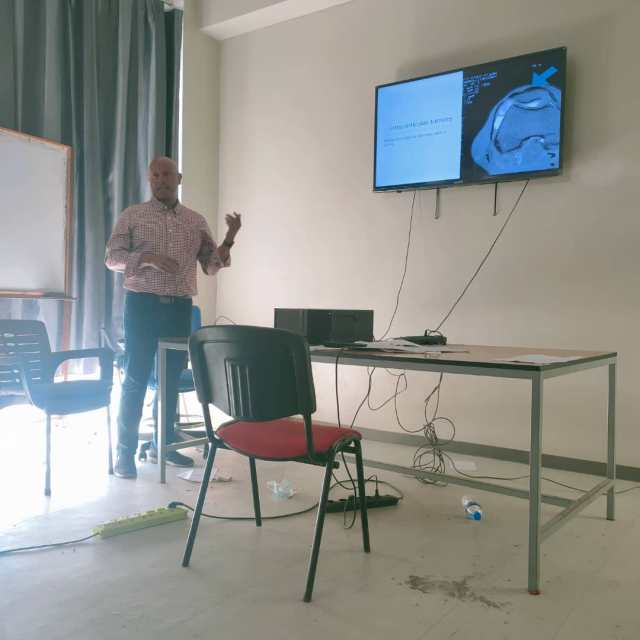
In the morning, all of us went to Ayder hospital with Dr Getahun. Once there we divided up, with Azeb, Leah and Yasmina joining head nurse Sister Eden, and myself with Dr Getahun. The two of us went directly to wards where there was the conference room. Dr Kinfe was there, who was introduced as the pioneer of orthopedics at Ayder. I gave a talk to the residents, who were attentive although asked no questions. Dr Getahun said they see a lot of bone tumors, benign and malignant, and many soft tissue sarcomas. All biopsies are open. The osteosarcoma patients all get amputation but very few survive since they all present with advanced disease. 

Leaving the wards, we were stopped by some of the residents who presented a case of an osteochondroma that they resected It was a sessile lesion on the femur, which I shared they could have probably left alone. .

Afterwards, we walked to the office Dr Kibrom, CEO of Ayder hospital.

Meeting with Dr Kibrom, from left: Yasmina Sam, Dr Getahun, myself, Dr Kibrom, Azeb Aregawi, Sister Eden, Leah Wodajo, Berhane Yohannes

Dr Kibrom was very pleasant. A few minutes after we sat down, Azeb and the rest joined us. We talked in the general terms about partnerships between Ayder and other institutions in Europe and US. There was a regular flow of visiting docs which stopped with the war. The first to return as soon as the war ended was Dr Josh (from Mayo ?) who does ENT/maxillofacial surgery. He had worked at Ayder for ~1 yr before the war. They have spoken with Dr Ayoda about partnering with Hopkins and just signed an MOU with Mayo Clinic Rochester. 

Within hours, our group photo had been posted to Ayder hospital’s Twitter account

He spoke about the incredible support Ayder has had thanks to Dr. Senait. Through her work at the Buffett foundation, they have received supplies and equipment worth millions of dollars. Before (after?) the war, they received portable housing for mothers who have delivered, large volumes of hospital clothing (?) and laundering machinery. Since the war, they have received 200 ambulances. The list was actually longer, but I don’t recall the rest. It was impressive.

We asked about laboratory services. Dr Kibrom called laboratory the “backbone” of a hospital. He said they have the machinery but keeping reagents stocked is continuing challenge. All services are provided free of charge to the patients but reagents are expensive. If they could charge even a little bit, laboratory services might be able to become self sufficient.

Returning to our hotel, we crossed through center of town. The hustle and bustle was impressive. The outdoor market was packed with vendors, with vegetables and other foods colorfully displayed. Three wheeled bajaj’s darting in all directions, like small animals. The recovery of the economy and the resilience of the people, just one year after peace came, is incredible. 

After lunch, we went to Awash military hospital in Mekelle. There is one other military hospital in town, which is smaller, and another ~2 facilities which are more long term housing/nursing care. At Awash, they have 4 operating rooms, which were spacious and clean. They had good surgical instruments, disposable drapes and gowns, and Indian power tools. We watched for a short time an open tibial nail being performed, using hand reamers to open the canal. The recovery room was well appointed, with beds and monitors for each patient. 

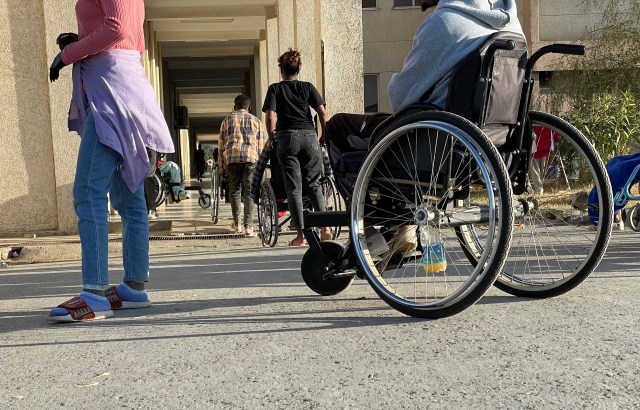
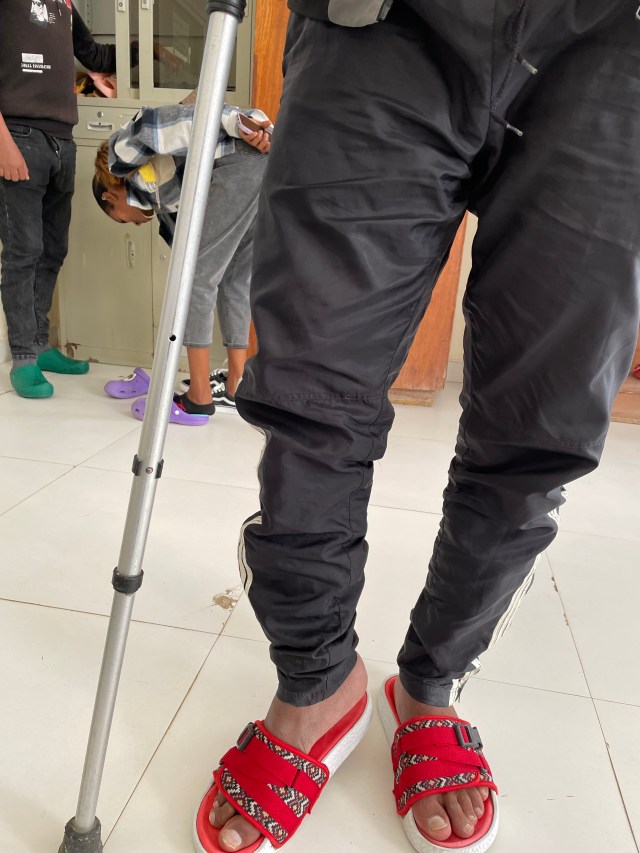
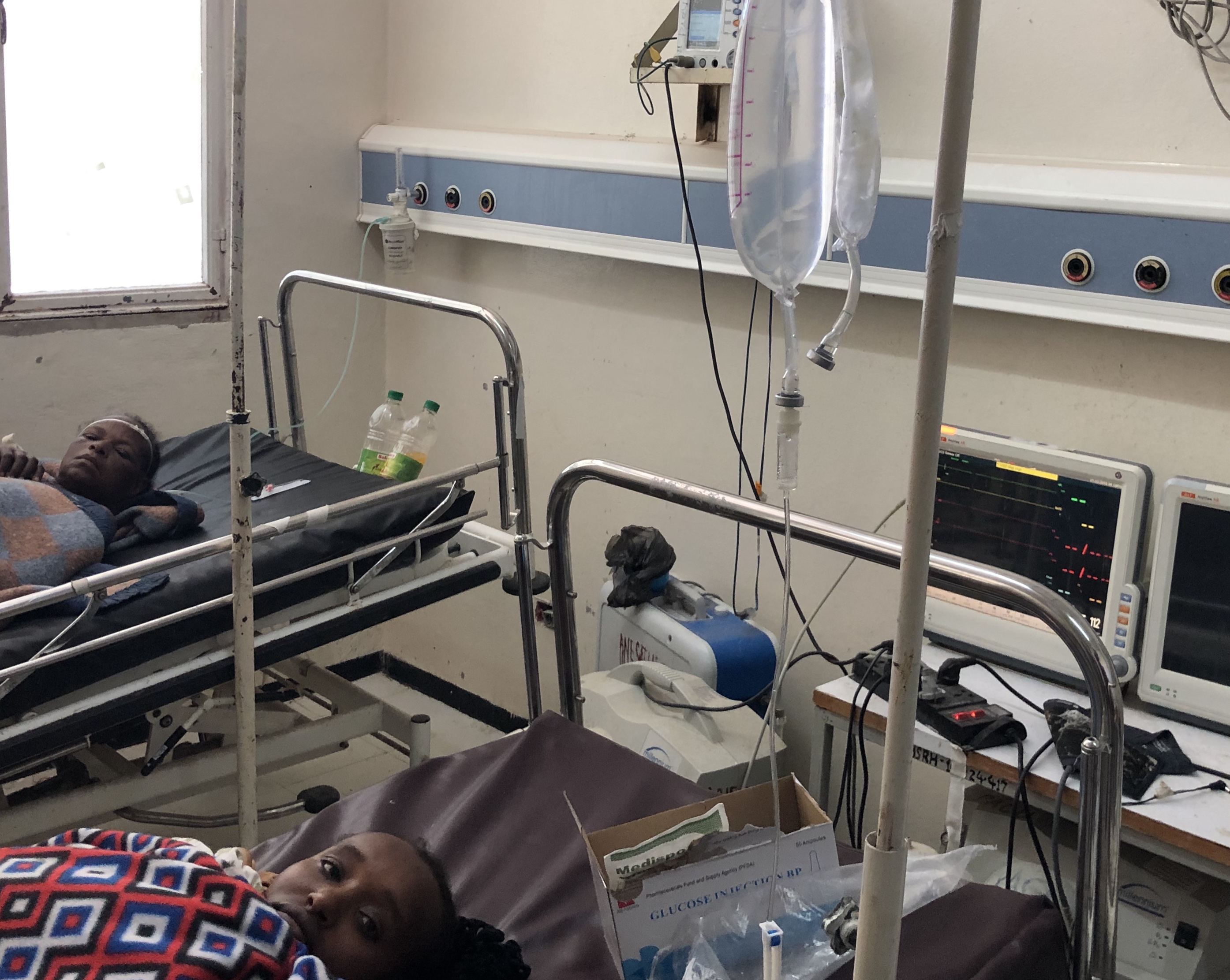
The outdoor hospital corridors were filled with patients on crutches and wheelchairs. Per Dr Getahun, “90%” of the patients are chronic orthopedic injuries from the war. There seemed to be a sense of community among the patients, so he said sometimes they resist being discharged, and often return after discharge as the hospital has become something of a second home. The average age is 22, many were university students before going to the war.

As we were leaving the OR, multiple patients came to us, with their xrays on their phones, asking what can be done. Two had infected non-unions, one in the femur and the other tibia. A third had a late infection of plate fixation distal tibia, with bone already united. Another had a distal humerus communited intraarticular fracture of the elbow with anklylosis of the joint in ~80deg of flexion. Dr Getahun was very patient and discussed their cases with each of them. He says they all get attention on the wards but are frequently seeking “second opinions.” There is a sense of frustration since many of them have waited months or more waiting for treatment.

Arrival at Mekelle

Monday Jan 23, 2024

This is one of a five part series of a visit to Mekelle, Tigray and Addis Ababa in January 2024. Below are links to the series, or you can just follow the “next” and “previous” links at the bottom. You can send a message to the author here.

  1. Arrival at Mekelle
  2. Visit Ayder and Awash Military hospitals
  3. Visit Ayder hospital operating rooms, ortho outpatient clinic, and Mekelle prosthetic center
  4. Visit Mekelle University
  5. Visit AaBET hospital, reunion with Black Lion docs

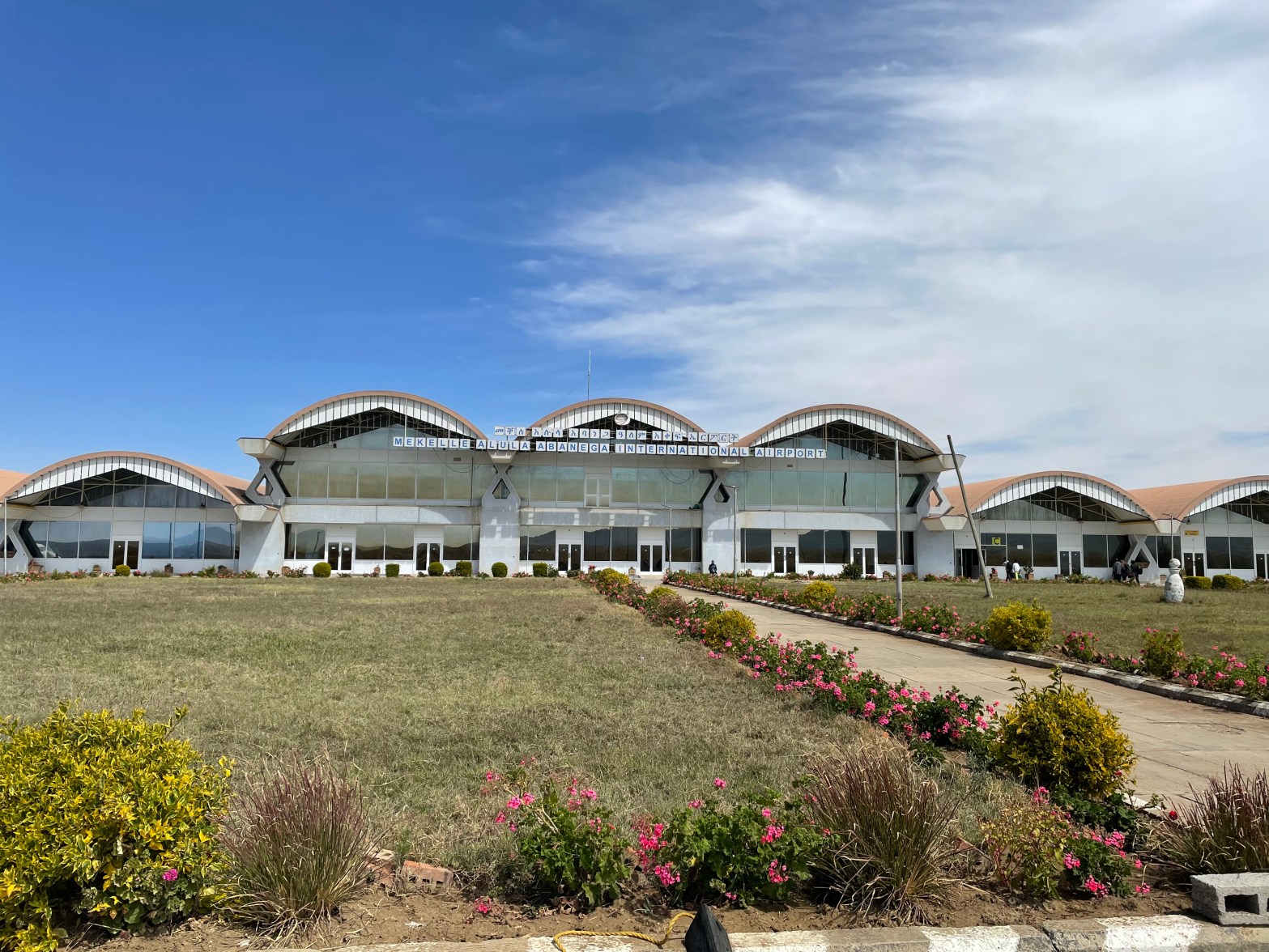
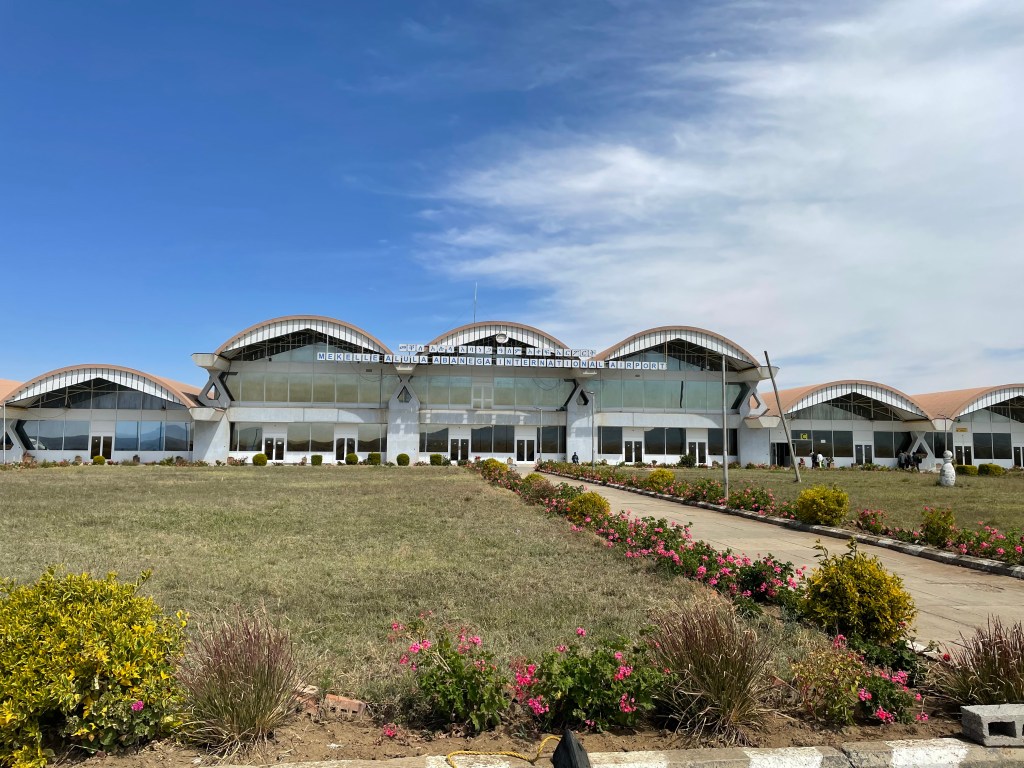
Dr Getahun met us at the airport with a driver and a pick up truck and took us to our hotel. On the way, he shared some his recollections from during the war period, i.e. until a year ago. It was obvious that it was very painful. There were only 5 orthopedic surgeons. The inflow of patients was massive and non stop. They had very little to offer the patients, which was very difficult. All they could do was focus on keeping the patient and the limb alive until they could be back later and do something to fix them. 

A little later, we went out for lunch at Gebre Selassie restaurant with Hagos, followed by tea at Abrha Castle hotel. Hagos is from Adigrat andYasmina’s cousin, one of our friends who was traveling with us. He is also a lecturer in Sociology at Adigrat University, and also seems to know everybody in Tigray. While we were eating dinner in our hotel, Dr Amanuel Haile came to see us. He is the current leader of Tigray Regional Health Bureau and was previously CEO of Ayder hospital (succeeding Dr Zerihun)

He is a very impressive man. He recited innumerable health statistics with ease, like the types of surgeries performed, the current back log, their issues with nursing education, the needs of rural health clinics, etc.  He reminded me of Dr Zerihun, a striking combination of personal humility, deep conviction, vision and intellect. According to Hagos, he resisted the job of leading Tigray health bureau but Zerihun convinced him.

With work, they have been able to cut down the backlog of orthopedic surgeries from 15,000 to 9,000 over the last six months. Many of those still waiting are in the military facility nearby. They are frustrated that they have not gotten care but the reality is that every day new patients come in with acute traumas, displacing those with chronic injuries. At least the number of orthopedic surgeons has increased. They used to have 5-6 orthopedic surgeons but now have ~15.

There is a large number of patients with bone deformities, chronic osteomyelitis and destruction of joints which are very challenging to take care of. The deformity cases often take 2 surgeons. Many patients need arthroplasty which is not available at Ayder, some patients they referred to Addis but most likely do not have the resources and remain untreated.

Before the war, Ayder had a 3 Tesla MRI. It was a such a high quality machine, that he said when he showed it to Dr Tony the neurosurgeon, Dr Tony said with that he can work at Ayder and stayed in Tigray for several years, training many neurosurgeons.  Dr Tony was very outspoken in the early days of the conflict and is worried for his safety if he tries to return to Ethiopia, so he remains outside. During the war, the supply of electricity to the MRI was cut off, which drained the helium cooling system. The magnet is not functioning but it may be able to be serviced. Ayder has a CT scan which is also not functioning right now but is getting serviced. 

Dr Amanuel coming to see us in person was unexpected and a show of respect, that to me at least, is not yet earned. He said he wanted to express thanks in person for the donation of equipment. He stayed a long time with us, even though he was supposed to be home with his family. We covered a lot of ground. As expected, the sheer volume of needs and the scarcity of resources were important topics. But when I asked him what he thought were his highest priorities, his answer was initially a bit surprising. It was all about developing people.

He first talked about how the current surgeons need mentorship and teaching. They are good technically, but they need continued practice and improvement. Outside teaching is very helpful. He is also concerned that physicians maintain an attitude of respect and compassion (my words) towards the patient, even while the volume is heavy. For this, role modeling is iImportant.  Before the war, there used to be groups of orthopedic surgeons from abroad, such as Germany and US, that would come for a period of time. I am the first Ethiopian orthopedic surgeon to come.

His biggest goal though is to identify and build leaders. These are the leaders who would not only have a good understanding of international standards but also a good understanding of the local situation. They would then recruit the resources needed to bring up those standards. He was confident that despite the destruction of the health care system, it will recover and return to being a role model in the country. 

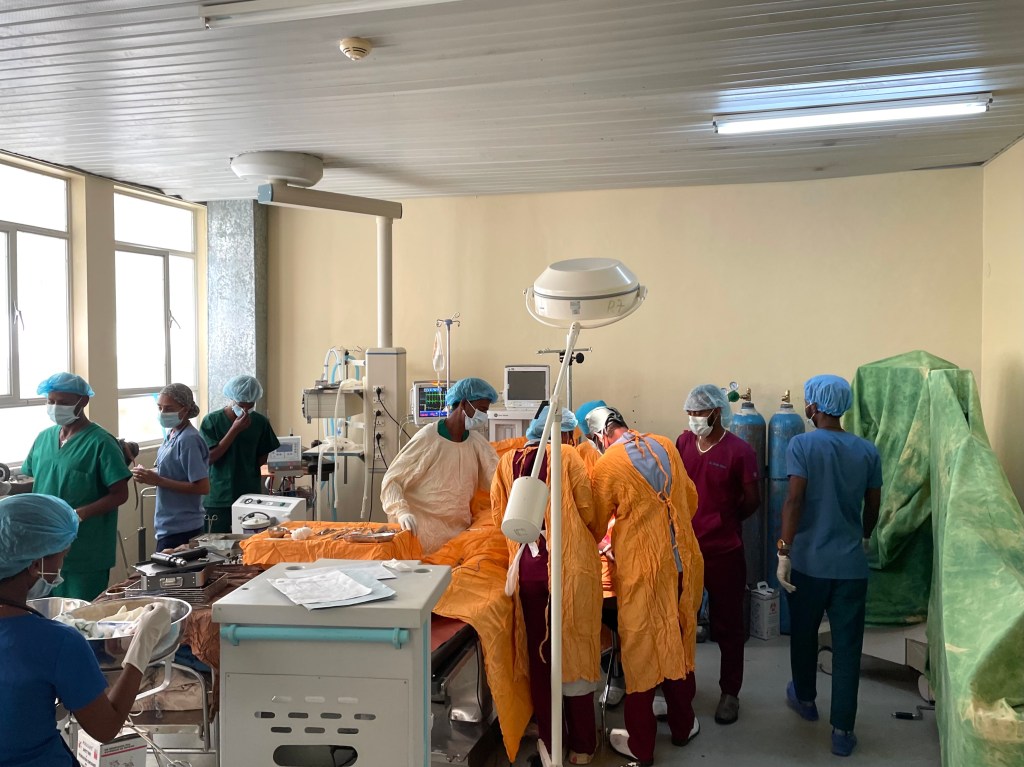
AaBET Teaching/Surgical Trip 1/2019

I wanted to share with you a recent surgical/teaching trip, Fassil Mesfin MD (Neurosurgeon U of Missouri) and I did at a trauma/spine center in Addis Ababa Ethiopia.

There are opportunities to teach and provide brief surgical/rehab/anesthesia/critical care services in collaboration with the local surgeons/team in the future if your time/schedule allows.

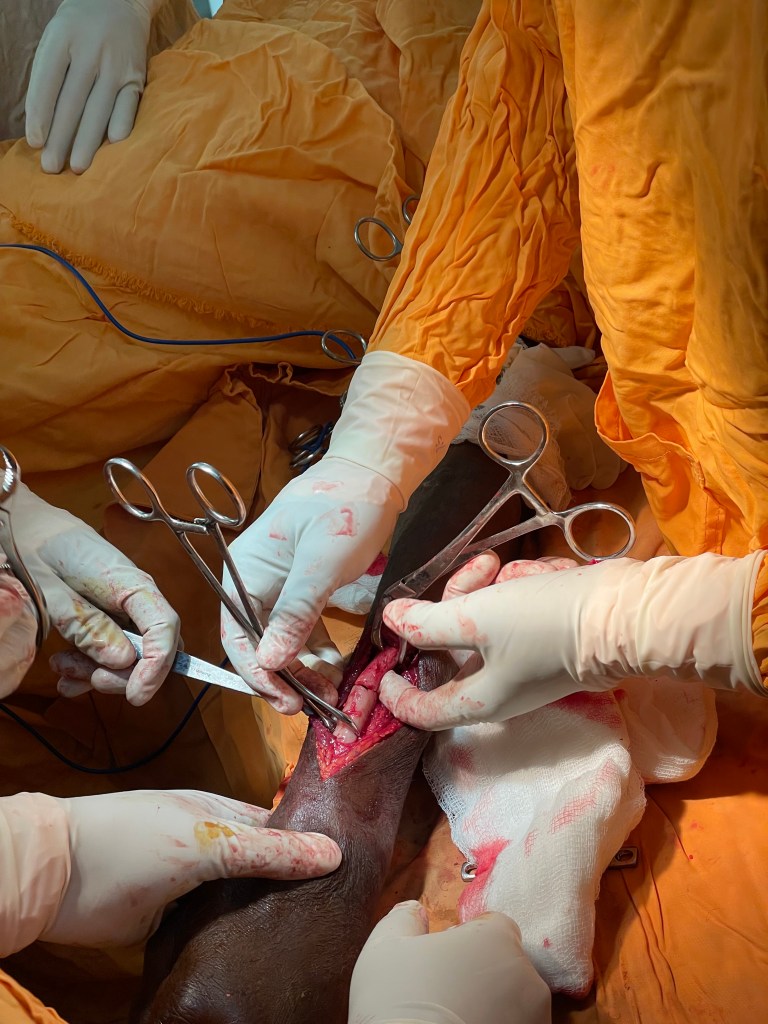
There are a couple of intraop surgical pictures you may want to skip in case you open it with family/non-medical folks

Also check out Dr. Rick Hodes website, https://rickhodes.org/ , many of the spine deformity patients were seen and evaluated in collaboration with Dr. Hodes’ team in Addis.

posted by Addisu Mesfin

Reunion Eniwhere

In an all-time great coincidence, I reconnected with my high school boss of 37 years ago – while sitting at a ministry office in Addis Ababa.

It was the end of my high school senior year in Bethesda MD and I was one of the few teenagers who knew how to program computers. My jobs until then were working in ice cream stores and delivering newspapers. But somehow I stumbled into my first indoor gig that summer as a programmer. With air conditioning even. It was for a startup called General Health whose founder was a kinetic physician turned entrepreneur named Jim Bernstein. My job was writing FORTRAN (!) code digesting personal health questionnaires to help improve employees’ wellness. It was the early 80’s and this concept, which is commonplace now, was far ahead of its time. The fate of the company was thus sealed.

I lost track of Jim after I went to college, but I never forgot him nor the conversations we had. I was just a kid then. I wish I could remember now what I was thinking then.

Fast forward nearly forty years and I’m sitting in the Ethiopian Federal Ministry of Health waiting to speak to an official about organizing diaspora surgeons to perform joint replacements in Ethiopia. While waiting my turn, a group of three come in and perform a demonstration of a seemingly magical device for the same official.

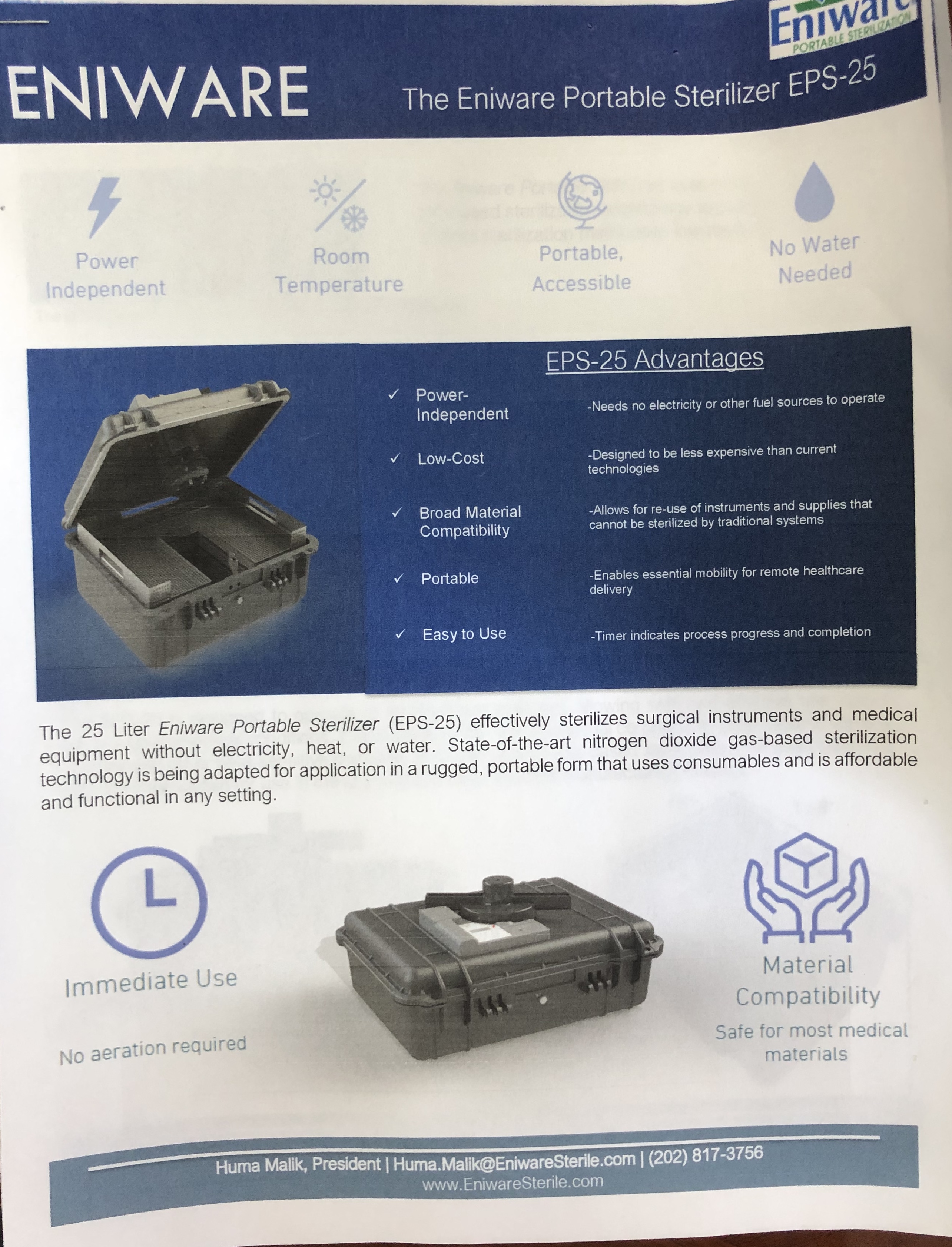
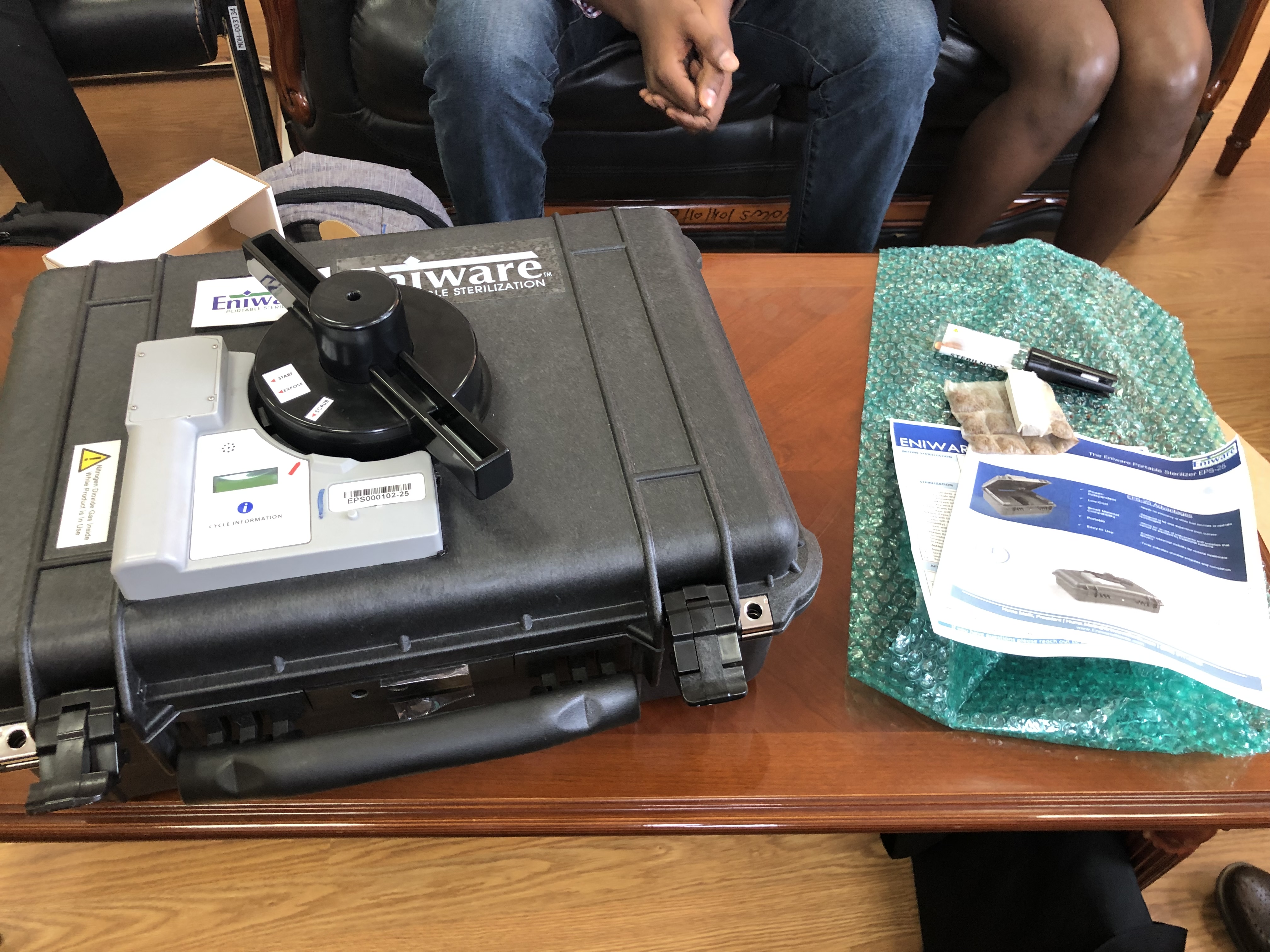
In brief, it is a gas sterilizer in a briefcase. The device is called Eniwhere and it can sterilize a tray of surgical instruments without electricity or water, and with almost no moving parts. You wash the instruments, close them inside the hard plastic case, stick a small glass cylinder to the side which emits nitrous dioxide. You wait 2-4 hours and voila, you have sterile instruments.

Eniwhere gas sterilizer, no electricity or water needed

When they were done, I asked where this amazing device comes from and, as you might have guessed by now, it is from yet another company founded by the same Jim Bernstein. I was knocked out. If I had been there 30 minutes later…

Glass cylinder upper right contains two pellets which combine to make NO2

It is not hard to see the promise of Eniwhere for any rural health clinic where minor procedures are performed, or for that matter Caesarian sections. Even city hospitals with their electric steam autoclaves that are always breaking down could use them. To make the proposal exponentially more inviting, the company is offering to license the technology for private sector manufacturing in Ethiopia. The official wasted no time warmly endorsing the project.

Jim Bernstein is proof, as if needed, of the power of vision

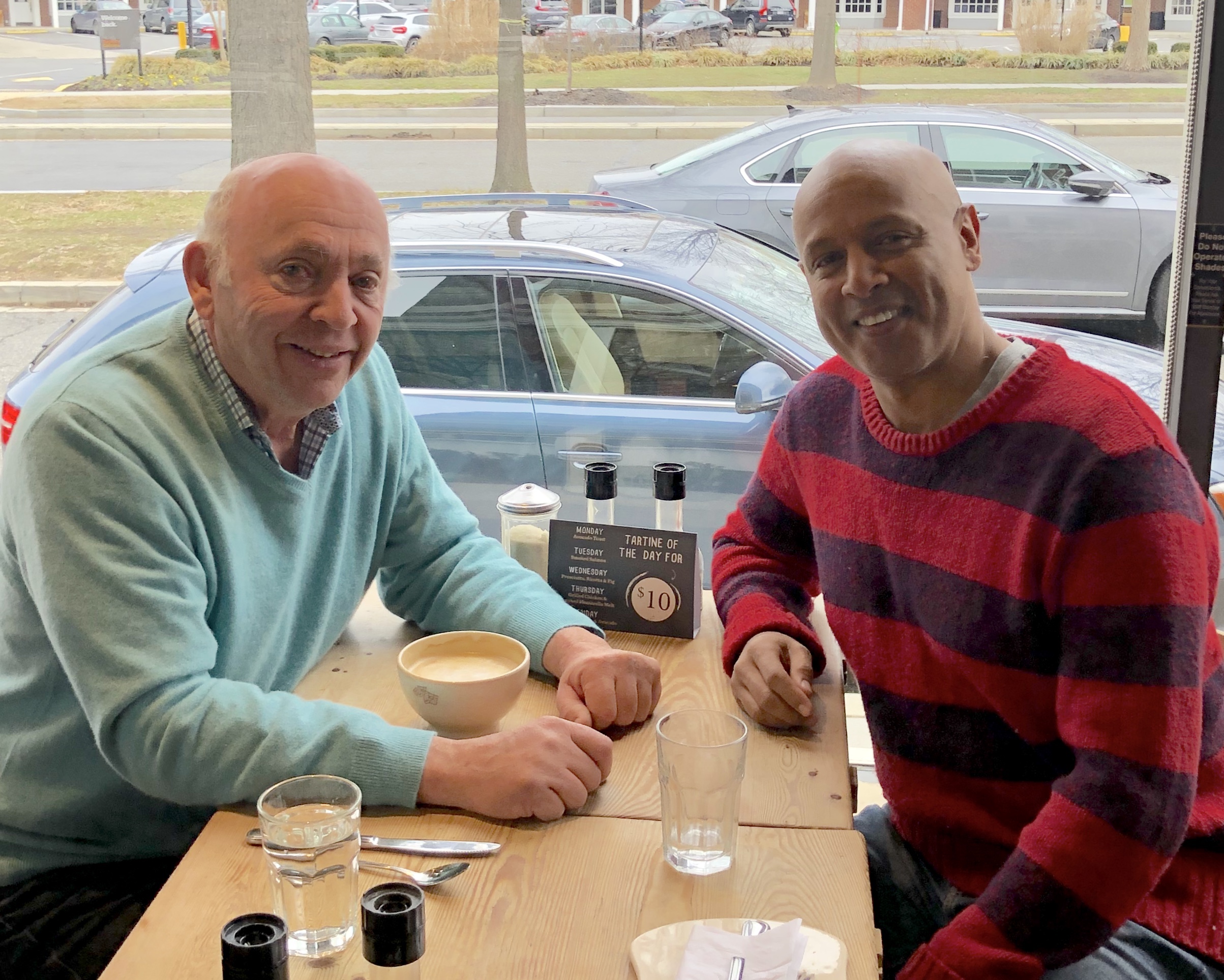
It wasn’t long after that that Jim and I met up for breakfast back home in DC (he’s still here). His energy and are enthusiasm are undimmed. Clearly, his penchant for skipping the small stuff and going after big problems still drives him. It wasn’t long before he was enchanting me with a vision of Ethiopia as a regional leader in medical device manufacturing. Somehow, I have a suspicion this reunion is going places.

American General Surgery Residents in Hawassa

The American College of Surgeons (ACS) has partnered with the College of Surgeons of East, Central and South Africa (COSECSA) to create a novel and intriguing model for international surgical training. In brief, this will involve American attendings and residents committing to monthly blocks in Hawassa so that an entire year is covered. Details are below.

In addition to what I learned during my visit to Hawassa, much of the information below was gained by speaking to Dr. Girma Teferra, a vascular surgeon and professor at University of Wisconsin who spearheaded the development of the ACS-COSECSA training hub at Hawassa. He also serves as Chairman of the Board for Ethio-American Doctors Group

The ACS has an office called “Operation Giving Back” created 12 years ago to to provide materials and advice for volunteer humanitarian fellows of the college. Most of the work is identifying and supporting volunteers. They have partner organizations across the US that need surgeons, and the office matches surgeons with them. Since 2015 Dr Girma has been the medical director for this office.

The idea for the ACS-COSECSA training hub at Hawassa came from a realization that programs such as Health Volunteers Oversees (HVO), though committed to teaching, have a hard time maintaining continuity at a single site that would allow for more impactful training. The ACGME already has a template for an accredited international rotation, and US training programs were staring to express an interest in such rotations.

Thus the template of a program, focussed at a single site, was born. The idea is for at least twelve US based programs to commit to one month each, and thus covering a whole year. Residents from those programs would rotate monthly through the site, as one of their accredited rotations. Teaching staff from their institutions would accompany them, and can choose to also spend four weeks or split it into two weeks with another staff member.

Adult urology procedure to begin, new laparascopy/cystoscopy tower on left

Hawassa was decided after a selection process. The initial geography was decided to be Eastern Africa. Surveys were sent to 31 sites, after which three were short listed. Following site visits, Hawassa emerged as the first choice. In part, this was because it was the only referral hospital for a population of 20 million. The leadership (president, dean, president of medical college) as well as the fourteen interested US institutions came to Chicago to formulate a plan.

For the initial six months, from January to June 2018, these fourteen programs are sending members to Hawassa in two week blocks as “reconnaissance”. In July they will meet to assess their findings, and the interested programs will continue in monthly blocks thereafter.

While at Hawassa University hospital, I met with Robyn Richards, the current American surgeon at Hawassa and a surgical trauma-critical care specialist. She works at Texas Tech, in Lubbock. She trained at GW in Washington DC and had rotated through Inova Fairfax Hospital, so we knew people in common. She had also spent 5 years working in South Africa, so has experience working in lower resource settings. Overall, she felt that surgery experience has been very positive.

I also met with the chief of surgery Dr Samuel. He also quickly agreed the program has been very beneficial, particularly in exposing Hawassa surgical residents and staff to subspeciality techniques. I asked him what has been his greatest challenges with the program thus far. He mentioned two things. One has been that in the current arrangement US staff are not available at night, when the majority of general surgeries procedures are performed. Second has been transportation from hotel to hospital. This has been problematic of late as the available hospital cars are not functioning. If an American surgeon is alone, he will not let them travel in town by themselves due to an abundance of safety concern – so they have to get a ride with a doctor. This may be resolved as the hospital cars return from repairs.

This program has great promise and, if successful, would be a fantastic template for other surgical specialties including orthopedic surgery.

posted by Felasfa Wodajo

Hawassa University Hospital, Feb 22, 2019

On Friday, I took a 45 minute flight from Addis to the Hawassa airport. There, a hospital chauffeur met me and took us on a scenic 30 minute drive around Lake Hawassa, through the town and to the hospital. Hawassa is the capital of the Southern Peoples Province (“Kilel”) and the second most important city in Ethiopia. Along with Addis Ababa, Dire Dawa and one other city, it has its own administration as a city-state. It is also a pleasant multi-ethnic lakeside city, popular with Ethiopian and foreign tourists.

Lewi restaurant in city

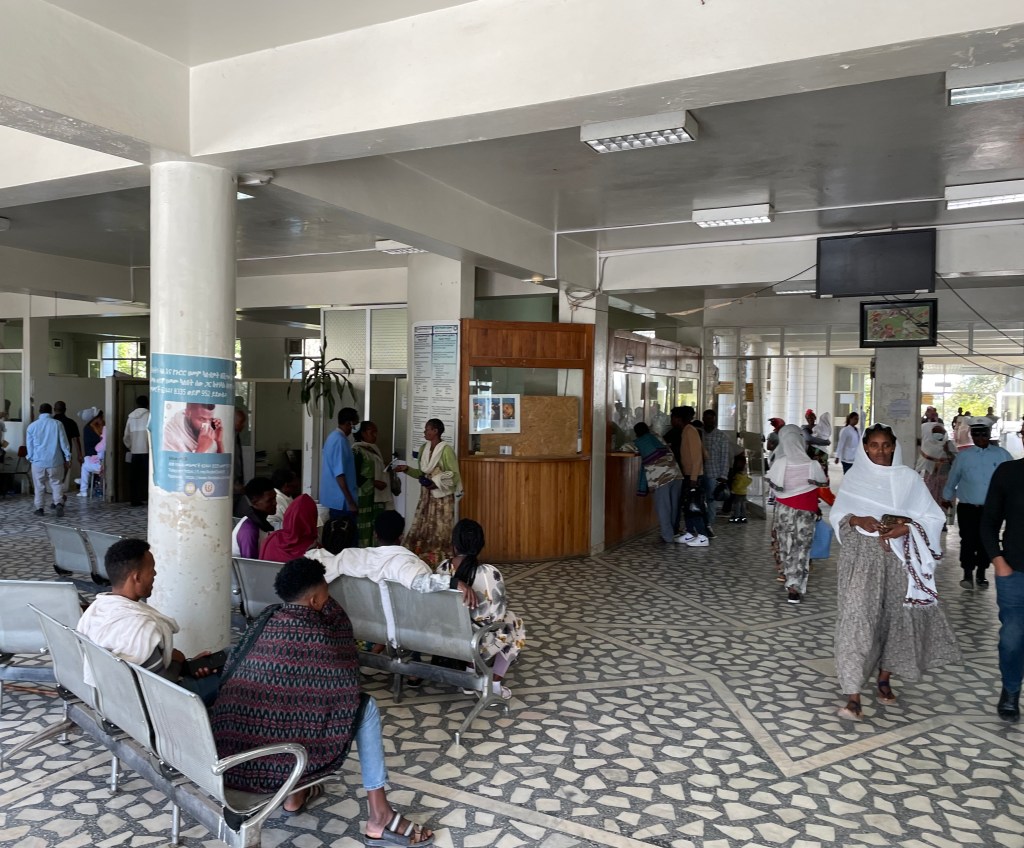
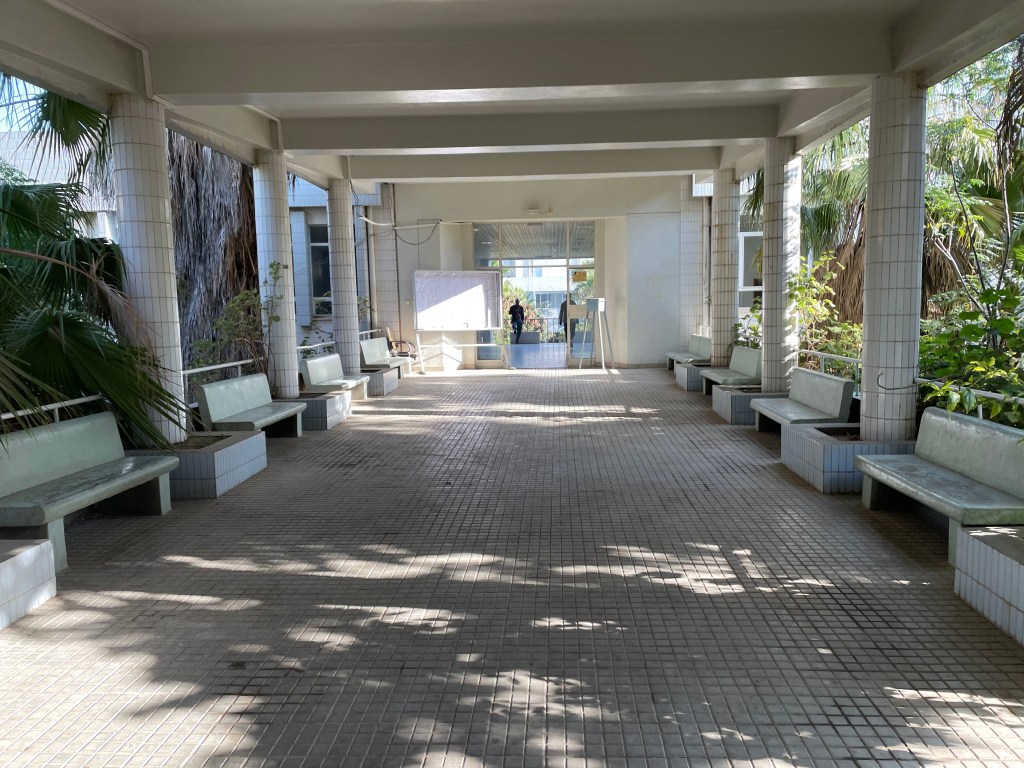
Hawassa University Hospital

The government has undertaken a large expansion of the university in Hawassa. As with Tikur Anbessa, the university and thus the hospital are managed by the Ministry of Education.The Ministry of Health administers most of the other hospitals, including St. Paul AaBET. By most accounts I heard, hospitals managed by the Ministry of Health have more generous budgets than those managed by Ministry of Education, which allocates hospital funding under a broad “Community Services” umbrella.

Orthopedics

Perhaps the above was part of the reason there was no orthopedic department until 3 years ago. Before then, all patients with orthopedic injuries were shipped about 100km away to Soddo Christian hospital, or more than 300km to Addis Ababa.

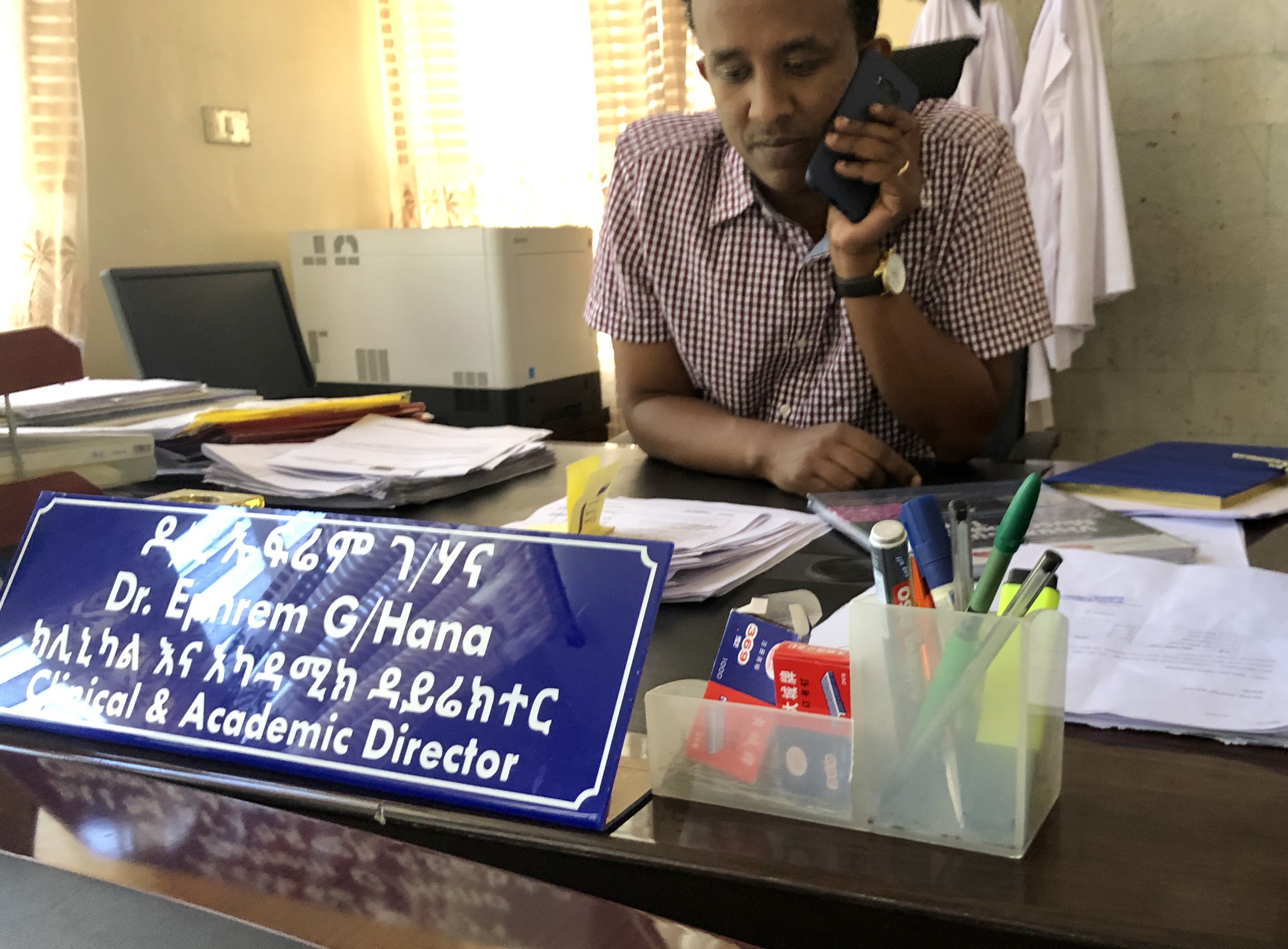
I was given a tour of the hospital by the remarkably able Dr. Ephrem Gebre-Hana. He started the orthopedic department on arriving 3-4 years ago, immediately upon finishing his residency. Since then, he has been promoted to Clinical and Medical Director of the hospital, roughly equivalent to the CEO.

Dr Ephrem

Dr Ephrem shared the immense volume of trauma handled at Hawassa. He estimates 60-70% of orthopedic admissions are open fractures. This comes to 5-6 new open fractures daily, largely due to motor vehicle and motor cycle accidents. It is very difficult to keep up with only three staff orthopedic surgeons.

Orthopedic clinic, patients came from hours away by bus

Hawassa has one of the largest SIGN nail programs in Ethiopia (the largest is St. Paul AaBET). The SIGN nail program is a monumental advance for trauma care in less developed countries. Created by Dr. Lawrence Zirkle of Seattle, the program provides free intramedullary nails throughout the developing world with the only requirement being that participating centers file reports containing preoperative, postoperative X-rays and a photo of the healed patient squatting. At Hawassa, rotating residents file reports nearly daily, using a browser-based online interface. They implant 30-35 nails per month.

New pediatric ward

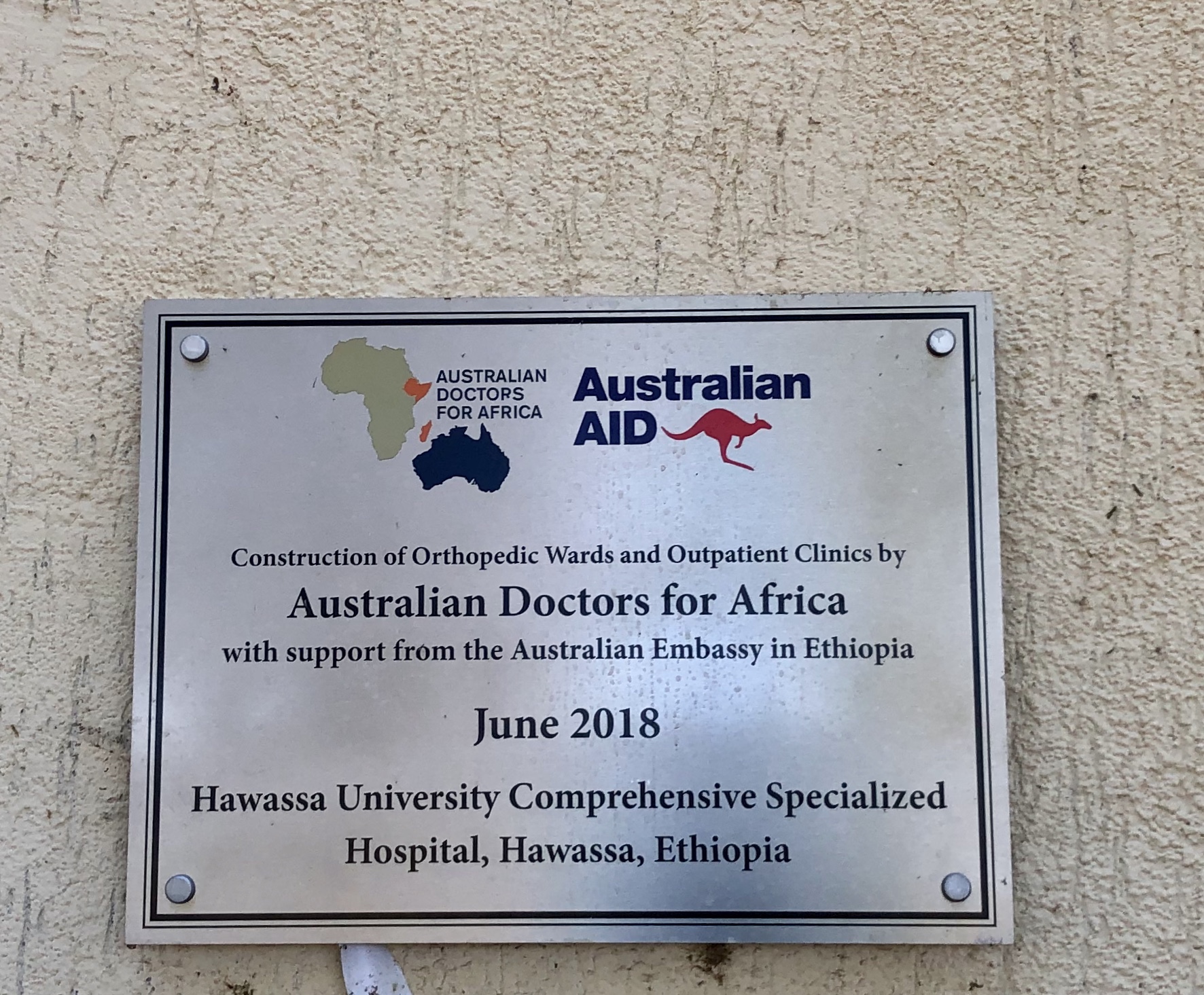
Plaque of Australian Doctors for Africa

We saw a new 14 bed pediatric orthopedic ward donated in part by Australian Doctors for Africa (ADFA). With multiple windows and high ceilings, it felt far more comfortable than the adjacent adult orthopedic ward of ~24 beds, which was originally used for storage and repurposed as a patient ward by Dr. Ephrem.

Adult Orthopedic ward

Operating Rooms

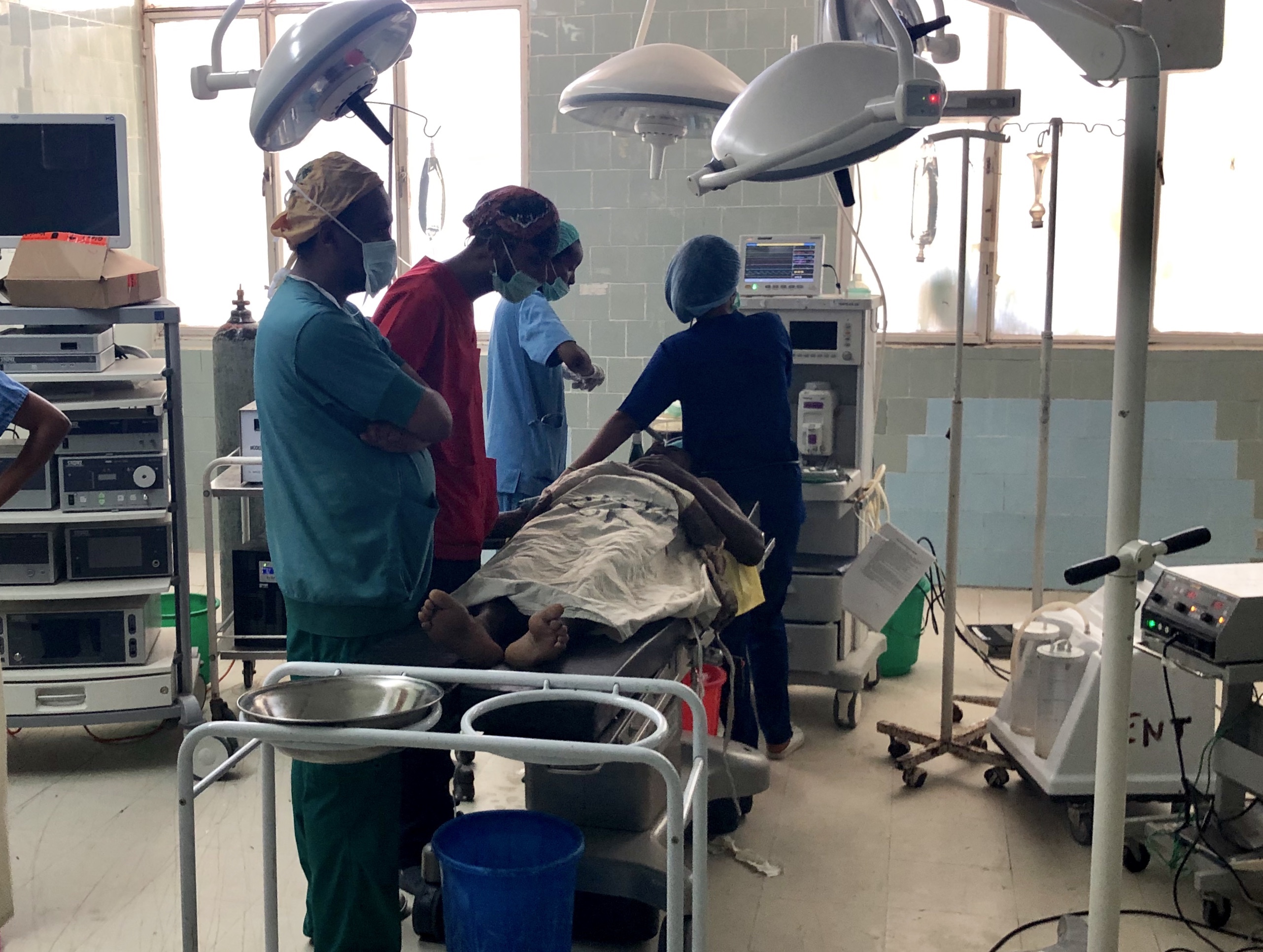
I then toured the operating room with orthopedic OR manager. There were three rooms in a new building and five in an older building, two of which are dedicated for c-sections. Apparently, the c-section volume is immense. The other rooms are dedicated to plastics, orthopedics and general surgery. They perform ~3 elective cases per room per day. The OR runs 3 shifts. There are always night cases, and all rooms run during the weekend. While there, I saw on open reduction and internal fixation of a two week old, grade 3 displaced supracondylar pediatric elbow fracture as well as neonatal meningomyelocele repair.

Pediatric elbow surgery, covered drill is on back table

In terms of supplies, the SIGN program provides new intramedullary nails in batches of 20 when centers run out. Despite this, there are times when shipments do not arrive in time and they run short. They can buy Indian made plates and screws locally using hospital funds but the procurement process can sometimes be problematic. Also, some trauma implants are not available locally, for which they depend on donations. For example, their AO external fixators are all donated.

PACU has room for 8 beds, has wall oxygen and one working monitor

Minor procedure room, debridements under local

They have 2 electrocautery machines for 6 rooms, so they have to rotate them, which can delay cases. Attending surgeons may not available if they are in clinic or teaching, so rooms may be idle (two were the day I was there). They have a new laparascopy cart with which they can perform laparascopy and cystoscopy. They reuse trocars. They do not have an orthopedic power system (e.g. Stryker 5 or 6) but rather use household Bosch drills with sterile cloth covers and autoclaved chucks.

Sterile Processing

There are two steam sterilizers, although one is broken. Twelve staff members work three shifts. There is no formal training program for sterile processing staff, only 1-2 months on-site training. I have not seen any gas sterilizers (e.g. “Sterrad”) at any hospital thus far.

Soddo Hospital

Soddo Christian Hospital is supported by the American Adventist Church. Orthopedist Dr. Duane Anderson has been there for many years. His service has been indispensable, not only for the patient care he has provided, but also teaching Black Lion residents who have been rotating there for many years. He has now started his own residency program, which I understand has curtailed this rotation significantly. In addition to Dr. Anderson, other American orthopedic surgeons from the Pan-African Academy of Christian Surgeons (PAACS) rotate through Soddo hospital.
posted by Felasfa Wodajo

Fellowship Training in Ethiopia

Trauma Surgery

Dr. Geletaw and Dr Samuel completed 1 year fellowships in Toronto in pelvic and acetabulum trauma surgery and hip arthroplasty, following their residency at the Tikur Anbessa. As expected, the massive volume of trauma, especially motor vehicle and pedestrian accidents, prioritized trauma training.

Using their training as a springboard, Tikur Anbessa launched an orthopedic trauma fellowship. The first two fellows are now enrolled. This appears to be a recurring theme. When a fellowship trained surgeon is available, a fellowship training program is launched as quickly as feasible to expand the number of specialists. The hunger for additional training was noticeable everywhere during my visit. The immense needs of the country are palpably close.
Other fellowship trained physicians in Addis include Dr. Nardos, who completed a orthopedic pediatric fellowship in India and is serving on staff at Sr. Paul AaBET hospital. Another Tikur Anbessa resident is now in India doing a pediatric orthopedic fellowship. Dr Ermias, a Tikur Anbessa resident, is heading soon to Glasgow for a two year fellowship in orthopedic oncology.

Dr. Melesse, Sports Orthopedics

Another Tikur Anbessa resident, Dr Melesse, has been accepted to a well regarded sports fellowship in Tel Aviv, Israel. Unfortunately the position is unpaid. This means he cannot go unless he can raise funds for his stay in Israel. He estimates the cost for room and board would be around $1,100/month or ~$12k for the year. With transportation, we estimated his total cost to be ~ $15k USD.

Dr. Melesse would be the Ethiopian sports orthopedist if he gets funding

If he succeeds, he will be the first fellowship trained Ethiopian sports orthopedic surgeon in the country, which is simultaneously shocking and inspiring. Once he completes his fellowship, he will return and train the next round of Ethiopian Sports orthopedic surgeons. An arthroscopy tower has already been ordered for the hospital. I am now recruiting my fellow diaspora orthopedic surgeons to raise funds to ensure the success of Dr. Melesse. If you are interested, please use the Contact page on this site. This should be doable ! Donations will be tax-deductible through the Ethio-American Doctors Fund (EADF).
International Partnerships

The international fellowships I heard about were made possible through partnerships. The pediatrics fellowships in India were made possible by an American Christian group located in India. Oncology training in Glasgow was made possible by Dr. Sanjay, a UK trained surgeon of Indian origin who came to Ethiopia and made a connection with Dr Ermias. These seemingly haphazard opportunities demonstrate the potential for a national level impact one organization or even one individual can make.

Domestic Fellowships

By partnering with training programs in Northern countries, the impact of domestic Ethiopian training programs can be multiplied. A memorandum of understanding (MOU) has been signed with Kansas University (KU) to start a trauma fellowship at AaBET. KU surgeons assisted with developing the curriculum and will take turns visiting AaBET to help train fellows. I understand there is also discussion of starting a spine surgery fellowship program in partnership with Dr. Addisu Mesfin of Rochester University.

In the Ethiopian model, fellowship accreditation is via initial curriculum review only, and does not involve ongoing site visits and audits. The review is performed in two stages. The first is by peer programs in the same institution. After incorporating their feedback, the curriculum is sent to an outside reviewer at St Paul University.

In addition to the greater chance of sustainability that comes with basing fellowship programs in Ethiopia, the fellows will almost certainly get more surgical experience working domestically. One resident shared that fellows in India are not allowed to work independently. In the US, strict rules that require state licensing make it very difficult for foreign residency graduates to access hands on surgical experience. In contrast, Dr. Geletaw shared that he was given a high level of independence and encouragement in Toronto.

My impression is that a hybrid domestic fellowship program could be ideal. This would be formed in partnership with a Northern training program, whose teaching staff would rotate through Ethiopia. This way, Ethiopian surgeons can learn advanced surgical techniques within the Ethiopian context – while benefiting from the training and experience of North American and European surgeons. A hybrid program could also incorporate foreign observerships. These would allow Ethiopian surgeons to see how a northern health care system functions, especially the multilayered staff components, conventions and culture required to deliver consistently safe and high quality surgical care.

ACS-COSECSA Program in Hawassa

The American College of Surgeons (ACS) has partnered with the College of Surgeons of East, Central and South Africa (COSECSA) to create a novel and very intriguing model for two way North-South exchange of surgery training. This will involve American attendings and residents committing to monthly blocks in Hawassa so that an entire year is covered. This program will be discussed in more detail in a later post.

posted by Felasfa Wodajo