Wednesday 1/25
This is one of a five part series of a visit to Mekelle, Tigray and Addis Ababa in January 2024. Below are links to the series, or you can just follow the “next” and “previous” links at the bottom. You can send a message to the author here
Dr Getahun and I took a bajaj to the hospital and went directly to the operating room. There are seven rooms serving a busy hospital. As a result, each service line is only given limited time. Orthopedics gets 1 room 3 days a week1. This is a big limiting factor and contributes to their 4 year waiting list (!). The 15 orthopedic surgeons rotate among the three hospitals for 2 week stints (Ayder + 2 military hospitals), 5 docs at each hospital. At Ayder, one doc is the OR, one in the clinic and two on the wards and one responsible for resident teaching. In addition to Ayder, there is Mekelle Hospital in town where orthopedic surgery is performed. Dejen hospital, the second military hospital has three operating rooms.
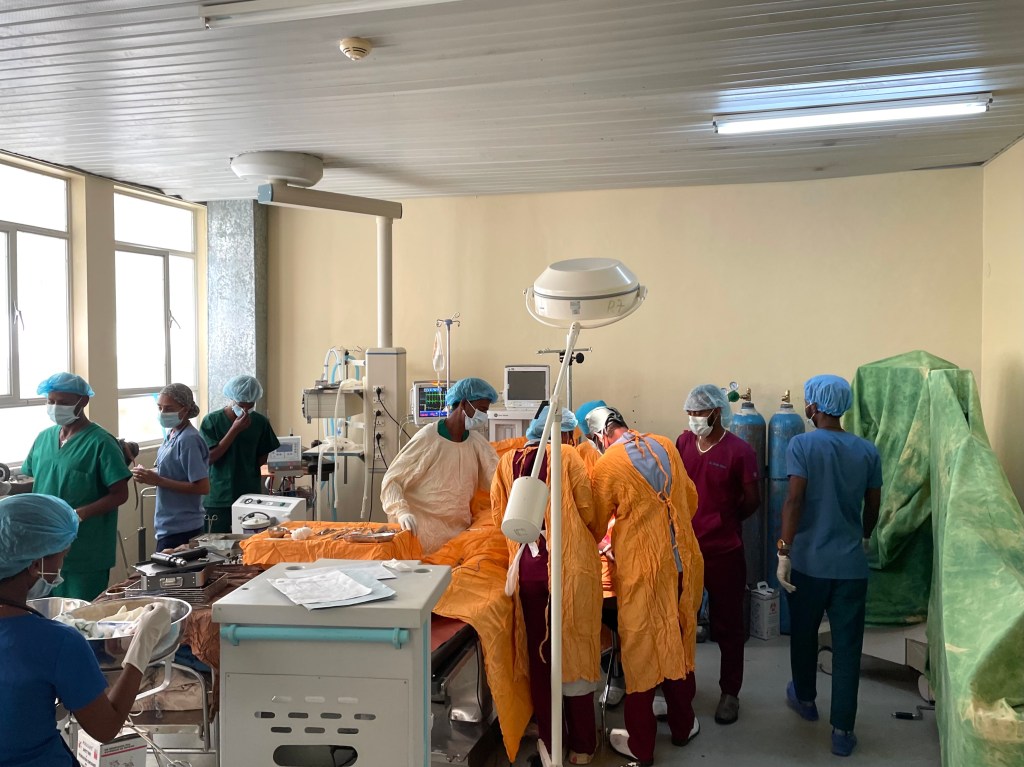
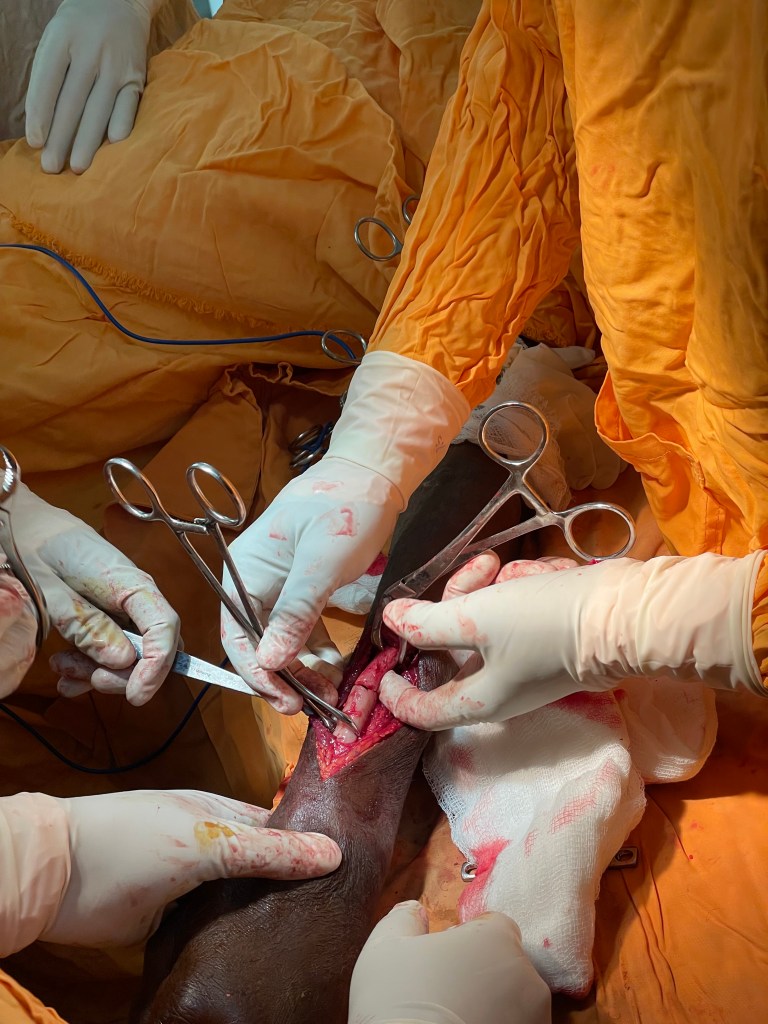
In the OR we watched ORIF of a both-bone forearm fracture. It was done with a supraclavicular block, with the patient awake. They have an older Philips c-arm which does not get moved out of the room. Neurosurgery and cardiovascular surgery also use the c-arm. The plates and screws are Indian from Sharma Orthopedics, which I am guessing were donated by Australian Doctors for Africa (ADFA). They work well enough but the screw heads tend to strip. This can make hardware removal especially difficult. Nails are supplied by Sign, which as always has been a great partner. They work well, and are available for femur, tibia and humerus. Dr Getahun is the Sign representative, which means he is responsible for submitting the data back to Sign, which is the prerequisite to get a new batch of nails shipped.
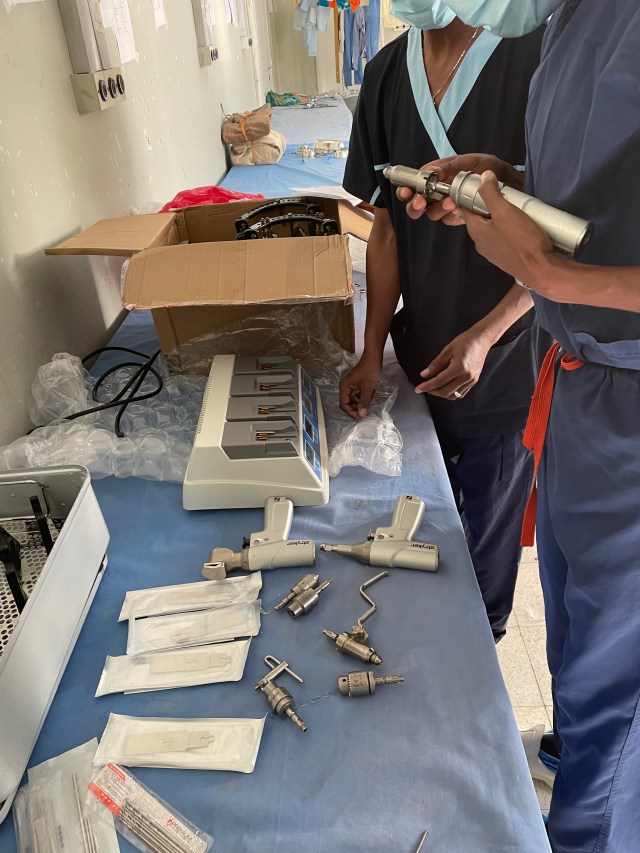
Before we left the OR area, we accompanied two of the orthopedic nurses to open the boxes containing the donated Stryker power instruments and the external fixators. They already had a Stryker battery charger, so now they have two.
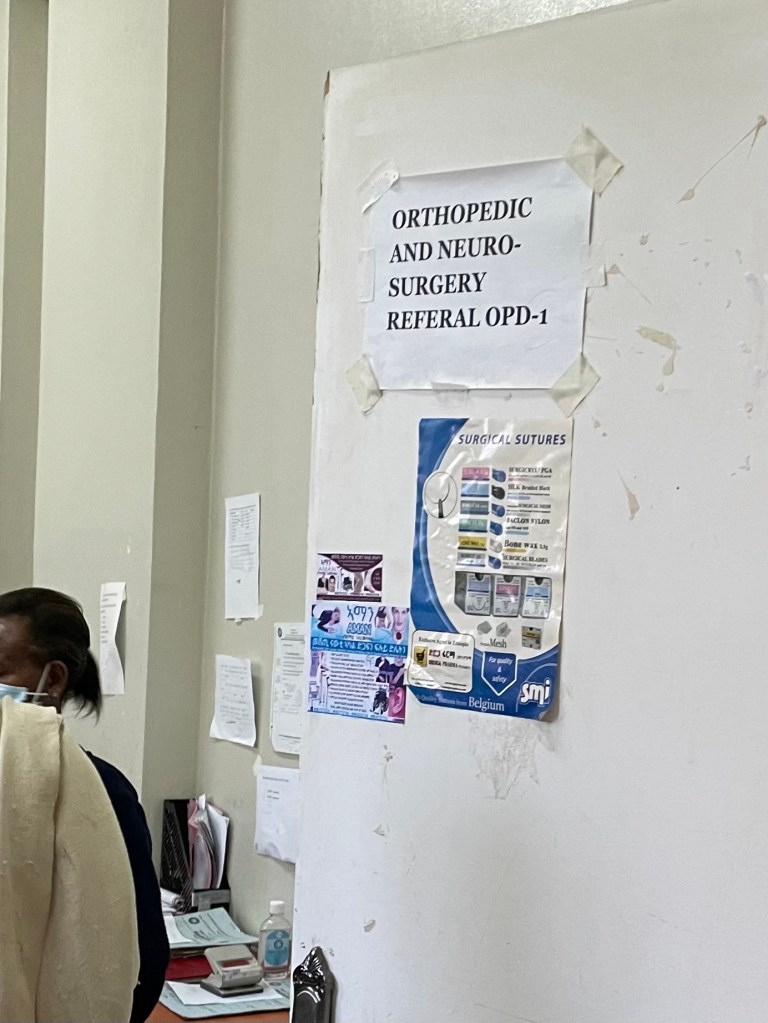
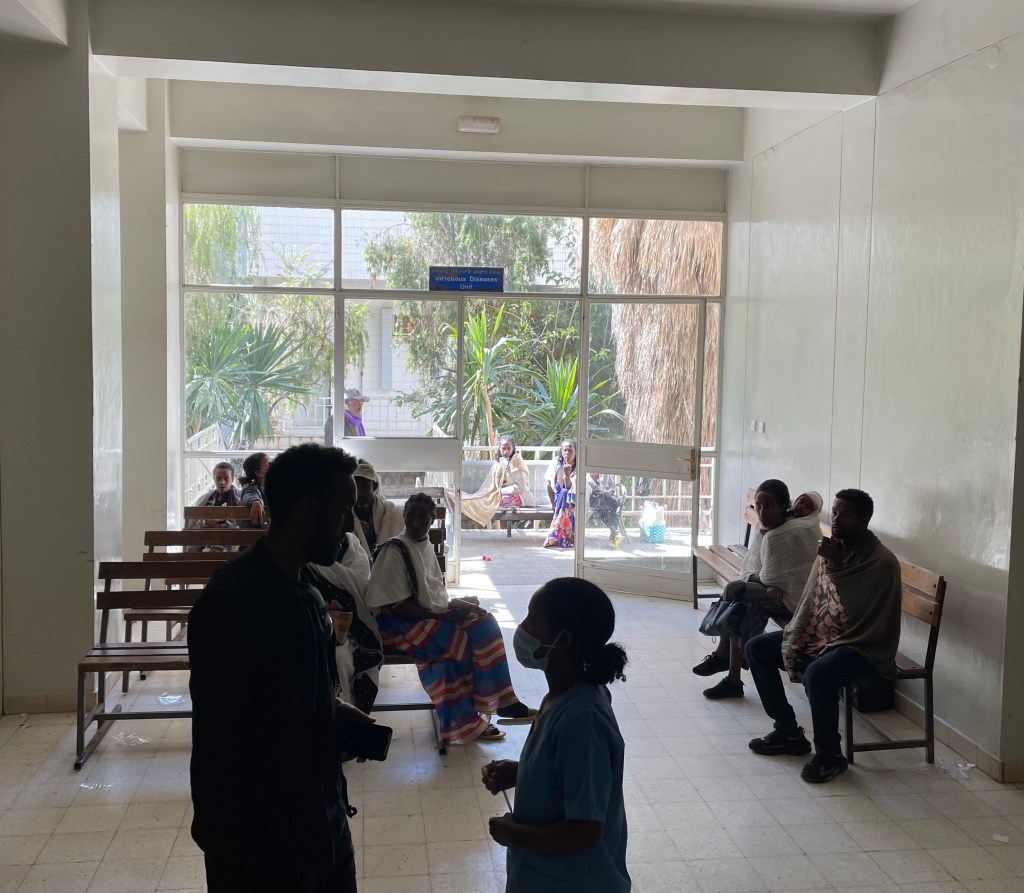
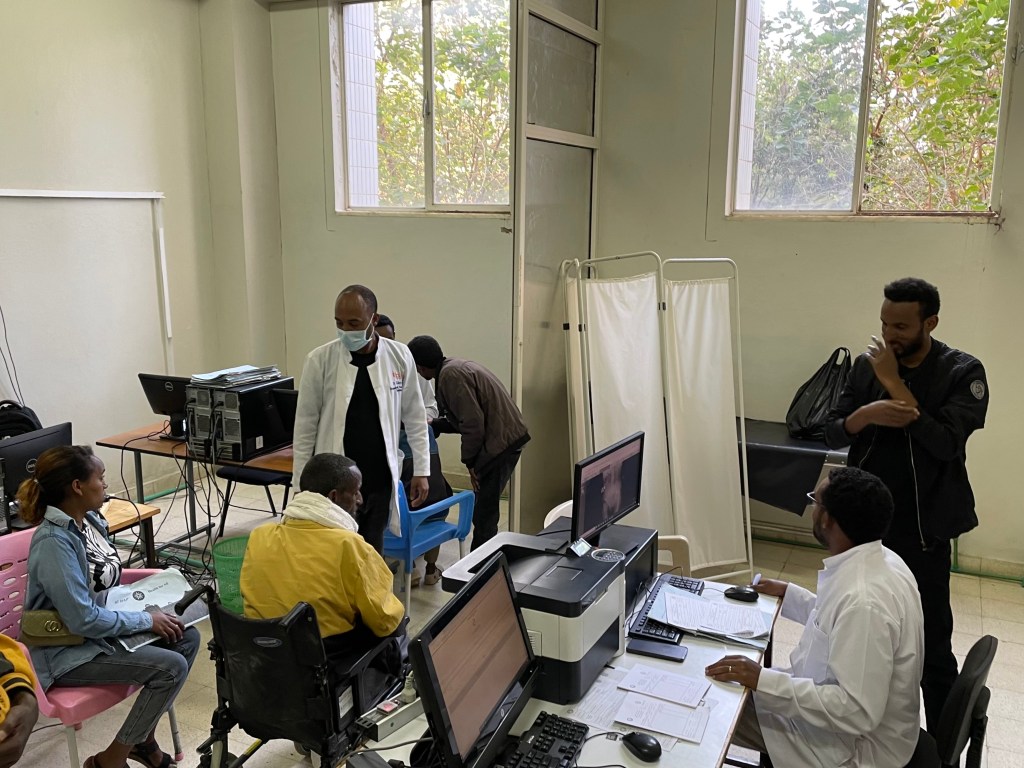
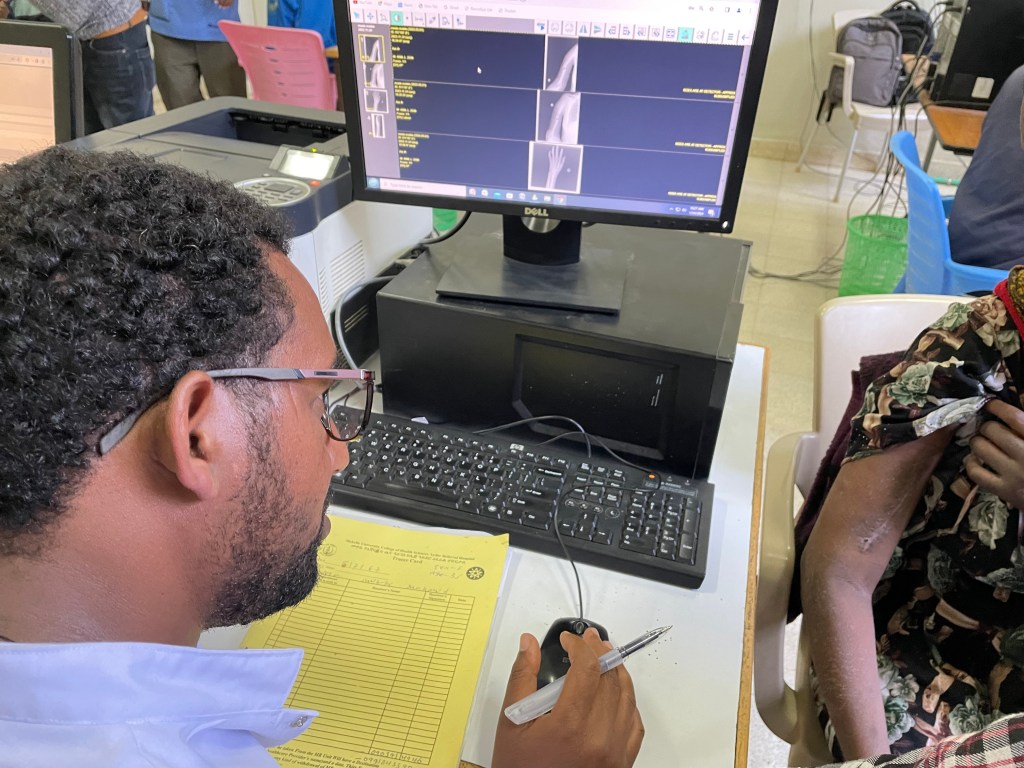
We walked over to the outpatient clinic. It was a large room with multiple tables, each with a computer. Three patients are seen simultaneously. There is one attending and two residents. About 60 patients are seen daily, all of whom are requested to arrive in the morning. They are seen in the order of the numbers they are given, I do not know how the numbers are given. Xray is near the clinic and the images are all digital. Records are on paper. Some of the patients are military patients who come for second opinions. Some seem to be just interested in getting a disability score, with the hope that someday there may be compensation. We stopped by Sister Eden’s office, the head of nursing, to drop off some donated scrubs before leaving the hospital.
We next went to go the Mekelle Orthotic and Prosthetic Clinic (MOPC). This is in the middle of town and is a lovely compound with multiple buildings. Ato Mussie, the prosthetist gave us a detailed tour. It is the only prosthetic lab in Tigray, and serves the neighboring portions of Wollo, Afar and even Eritrea. They have integrated physical therapy. They fabricate their own custom sockets and keep very detailed records on every patient. The knee and ankle mechanisms are imported, in order to get durable quality components. The remainder is manufactured in house. The knee mechanism is a simple undamped hinge. The foot is rigid SATCH ankle. They provide a pair of shoes.
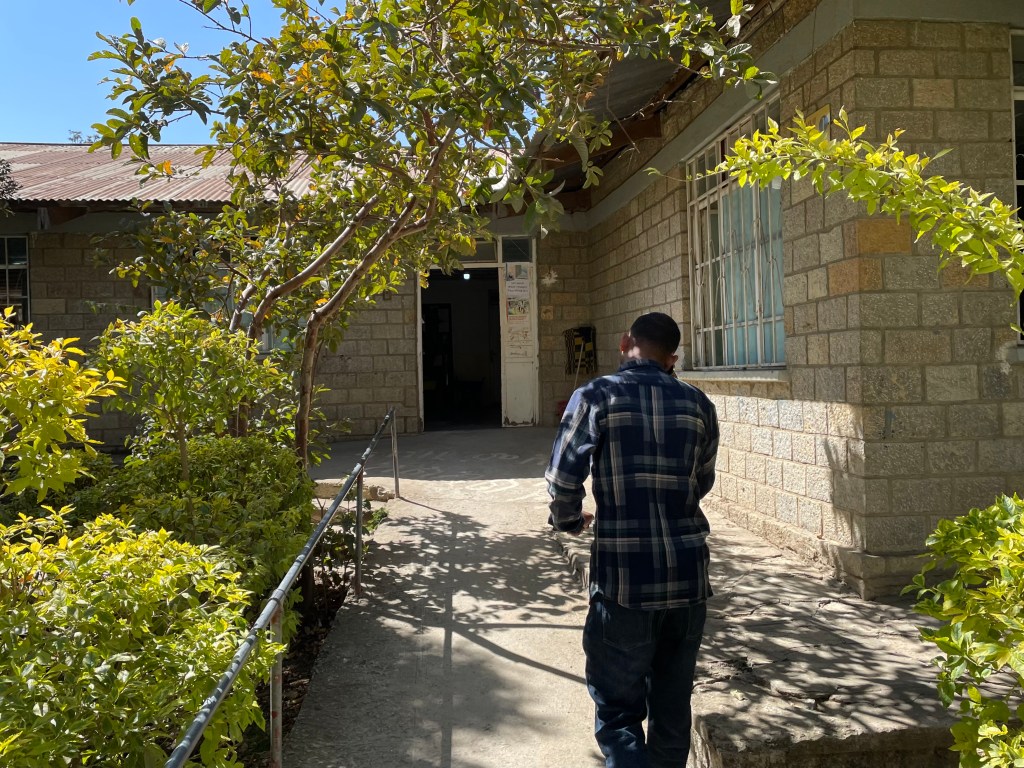
Entering the prosthetic lab from the compound 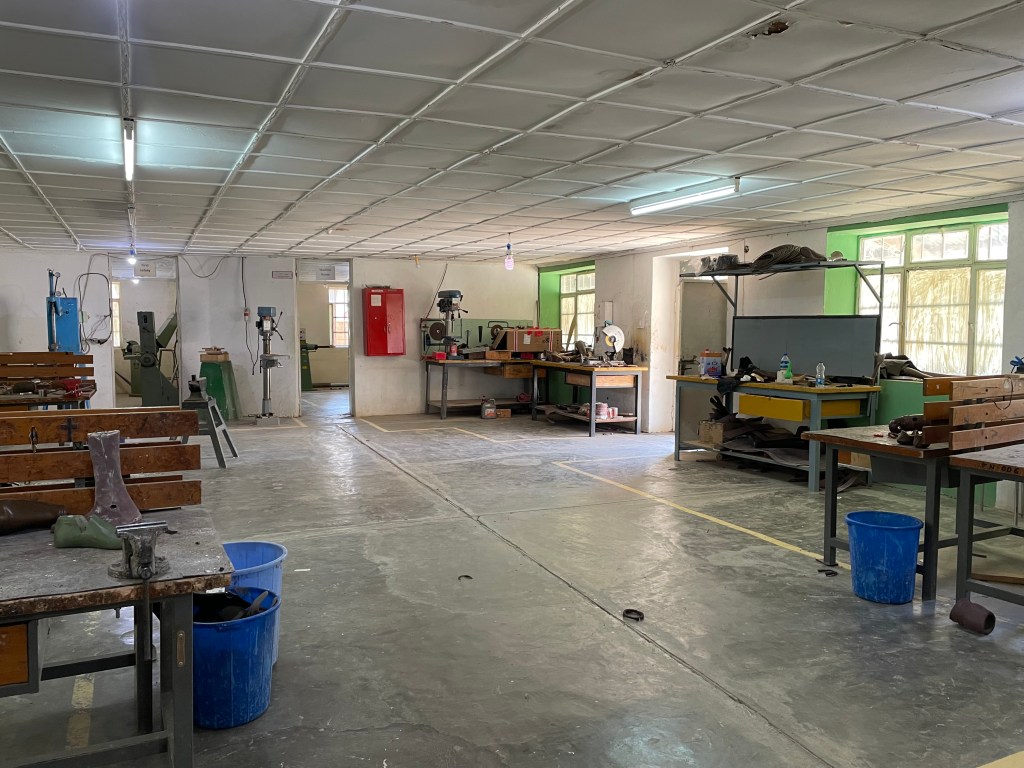
One of the workrooms, though spacious the low ceilinged rooms are less than ideal 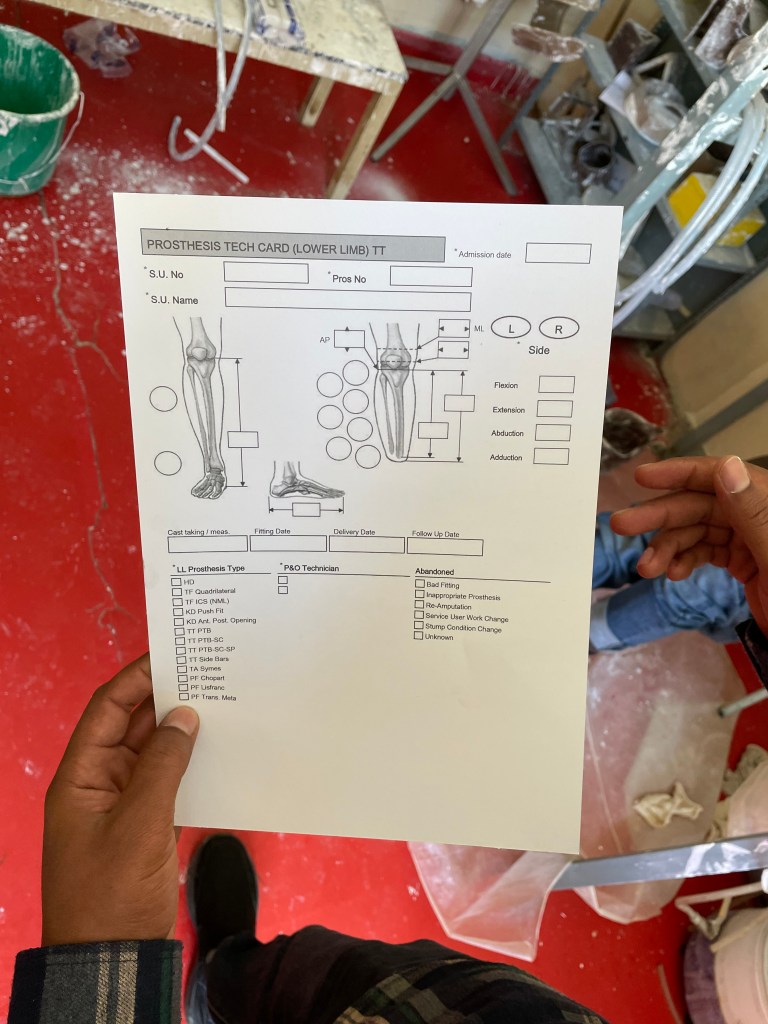
Numerous measurements are made for each patient, records are kept in large binders 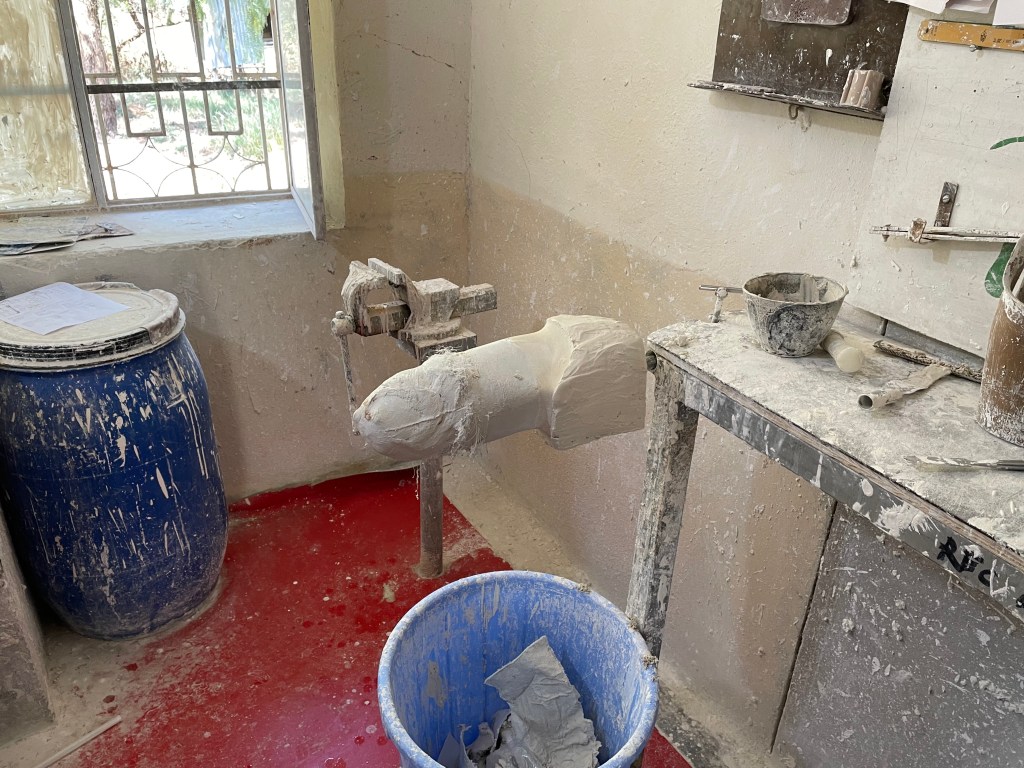
From a plaster cast of the residual limb, a positive plaster mold replicating the limb is made, modified to reduce pressure on sensitive portions 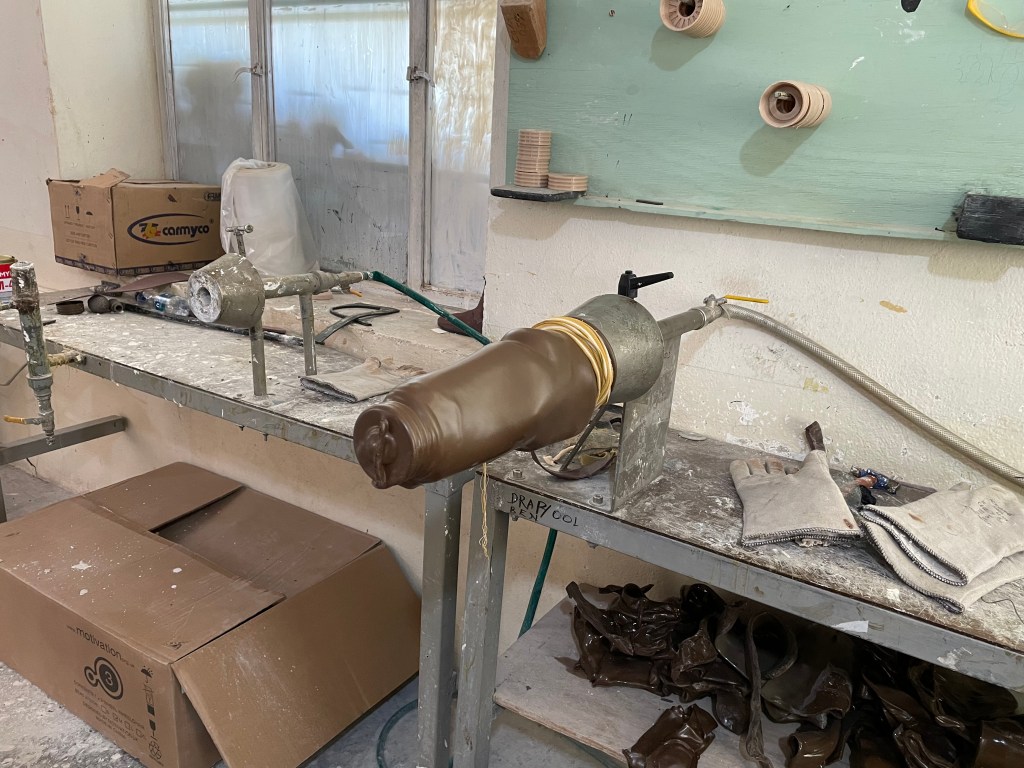
Heated polypropylene is wrapped around the mold to make the socket 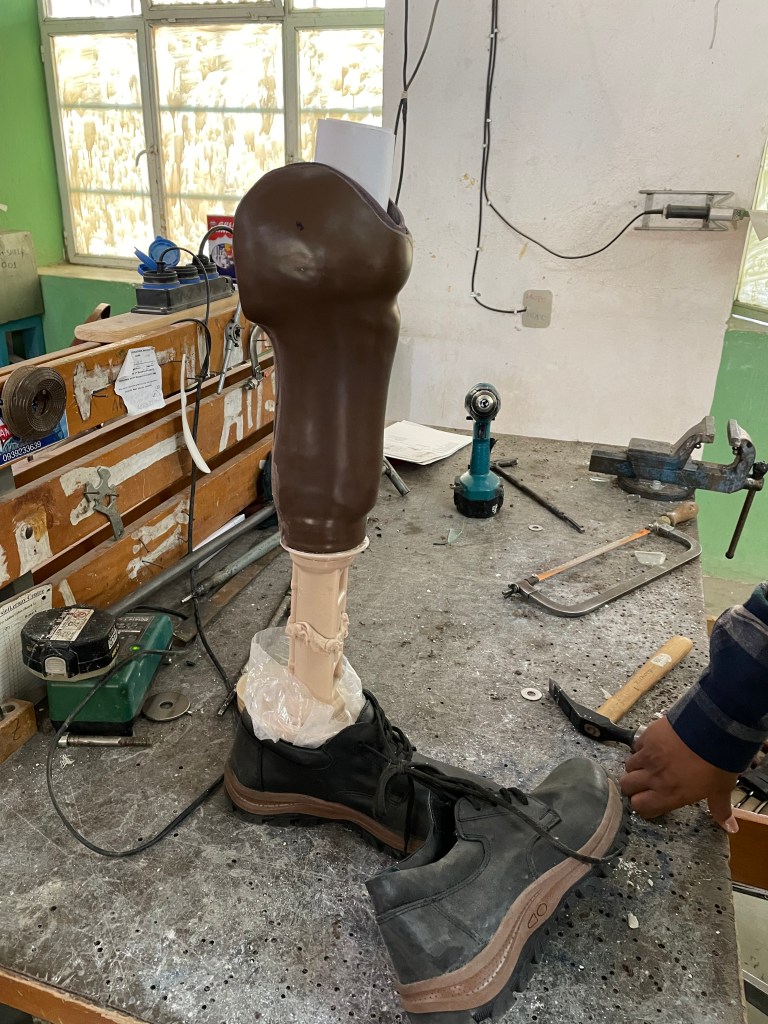
The final socket with a leg and foot attached, a pair of shoes is included 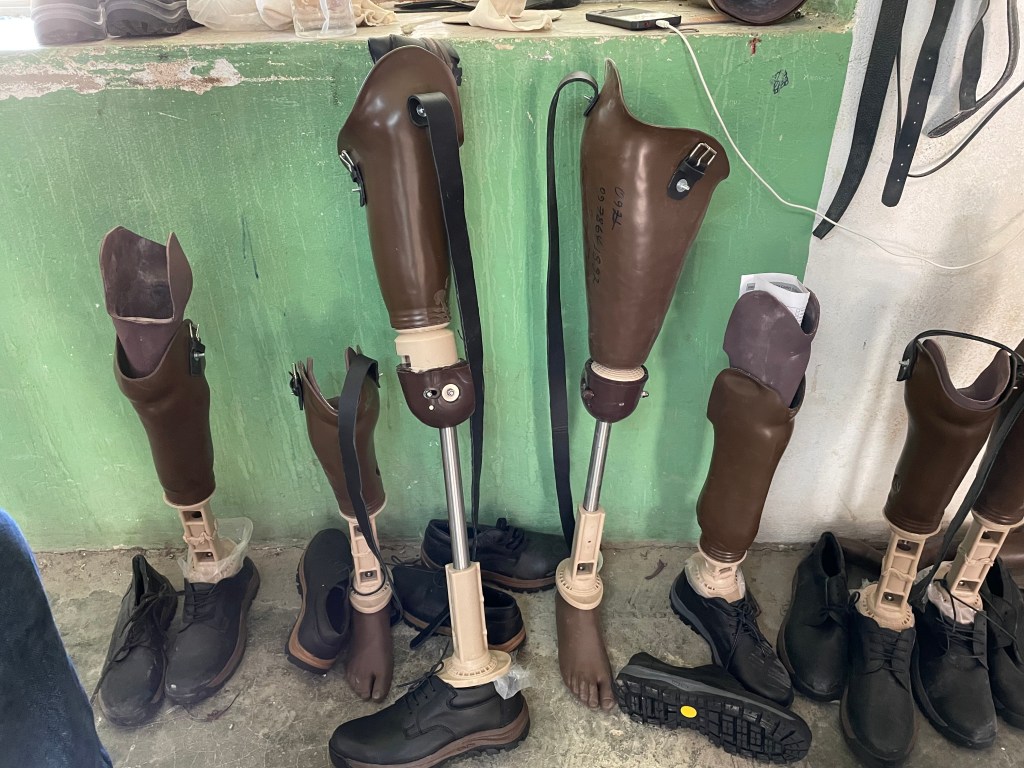
A selection of completed prostheses 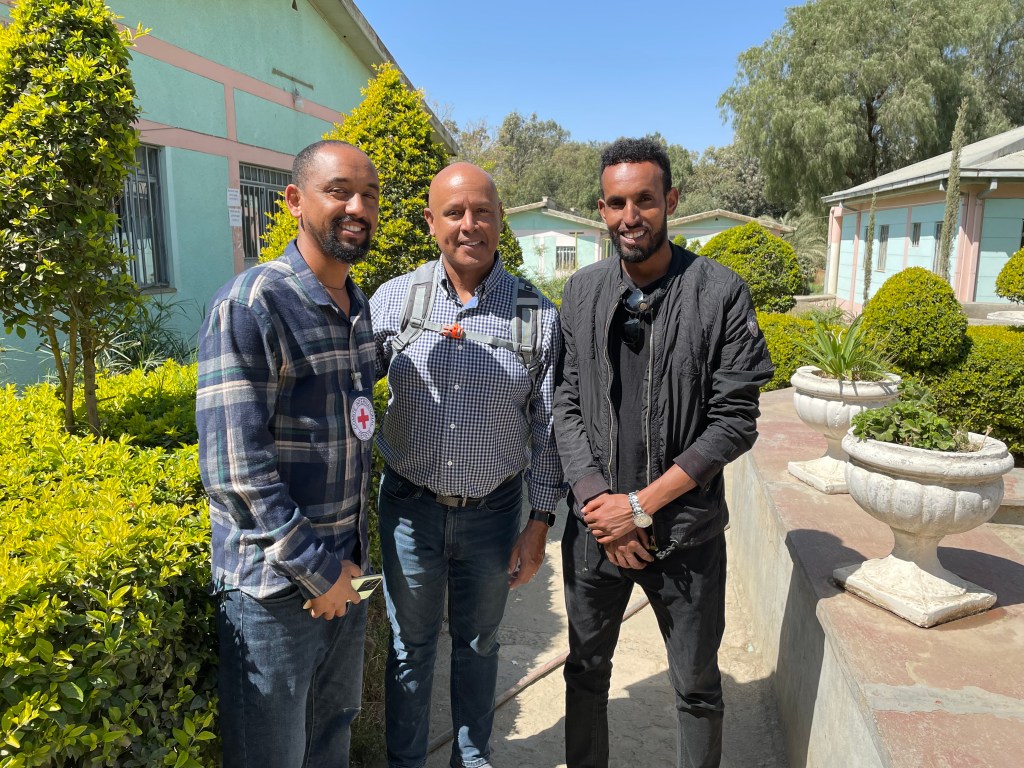
Ato Mussie, prosthetist and ICRC liason, with myself and Dr. Getahun
Even before the war, they had a backlog, but with the war the list skyrocketed. For the last 9 months they have been working double shifts, from 8 am to 10:30pm, trying to catch up. With this, they and have emptied the backlog and are planning on resuming normal schedule within a month. Before, they were making 15 orthotics and prosthetics per week. During the siege and war, they were producing ~50/week, or a 3x increase. After the war, this increased to ~93/week. They now expect to reduce to ~50/week or 10-12 day, which is still nearly triple of prewar levels.
They are heavily supported by ICRC, which supplies all the raw materials for the sockets, including the polypropylene shell, soft inner material and I would guess the cast and mold material. They also provide some personnel support, in the form of volunteer prosthetists who spend ~2 months at a time. However, they are managing this incredible productivity with minimal resources. Incredibly, for three years they received no salary. They just kept working to support their patients. Their salaries are way too low in an increasingly expensive country. Their provided budget is not enough for the supplies not provided by ICRC. They do not have enough prosthetists as the only training program in the country has been closed for years. Keeping physical therapists have been a challenge because the pay is so low.
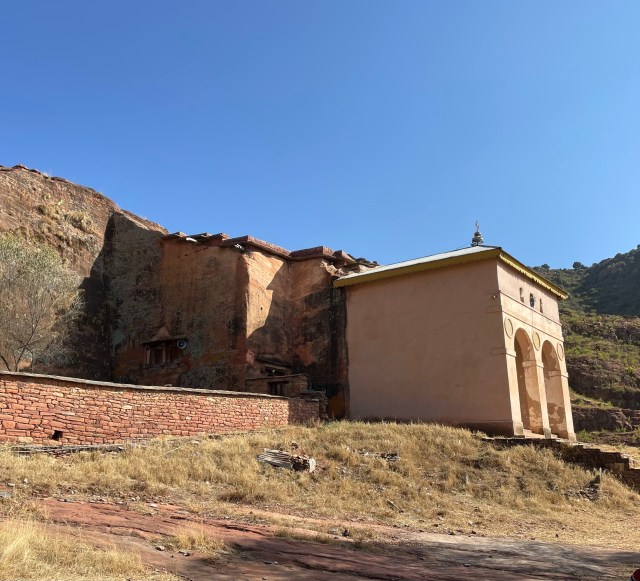
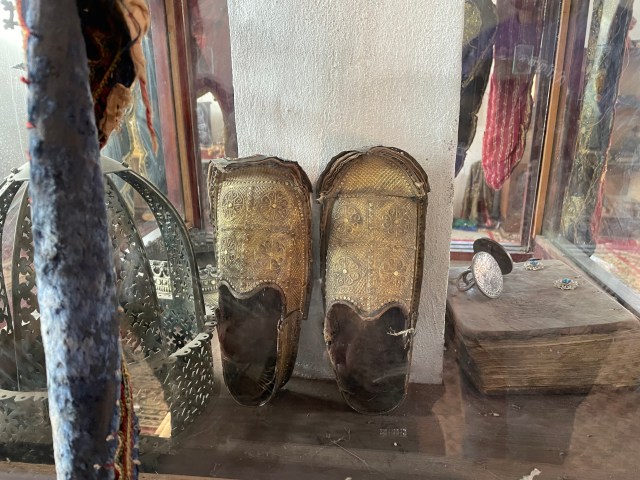
In the afternoon, we left Mekelle. We had lunch in Wukro and then visited Abra and Atsbeha, a rock hewn church more than 1000 years old. The priest also let us into the building where there were stored some ancient manuscripts, the crown and shoes of king Abrha, the robe of the late Abuna Paulos and other artifacts.
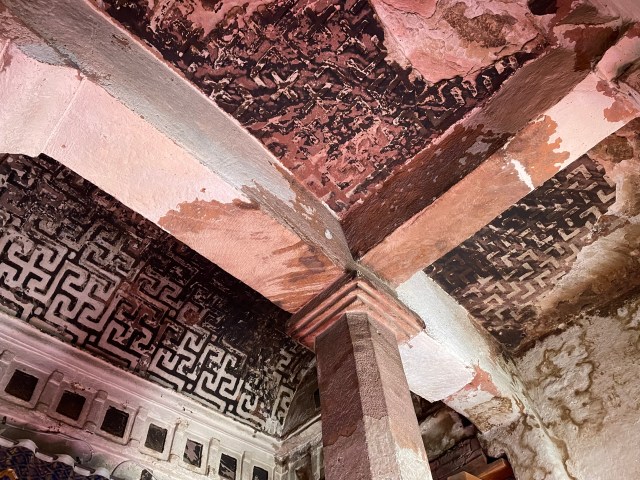
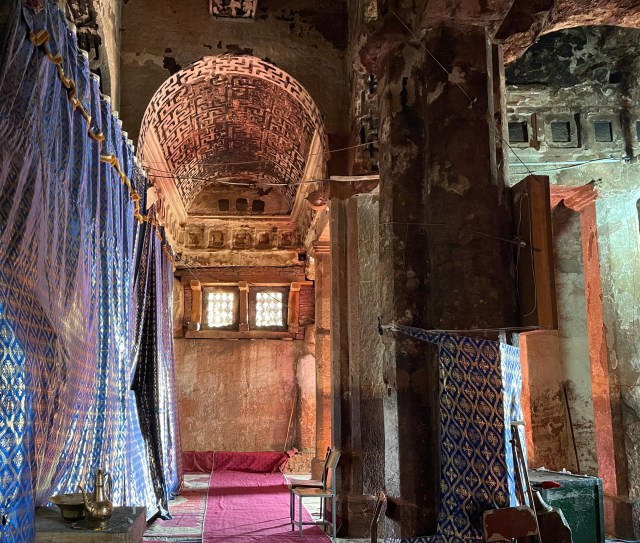
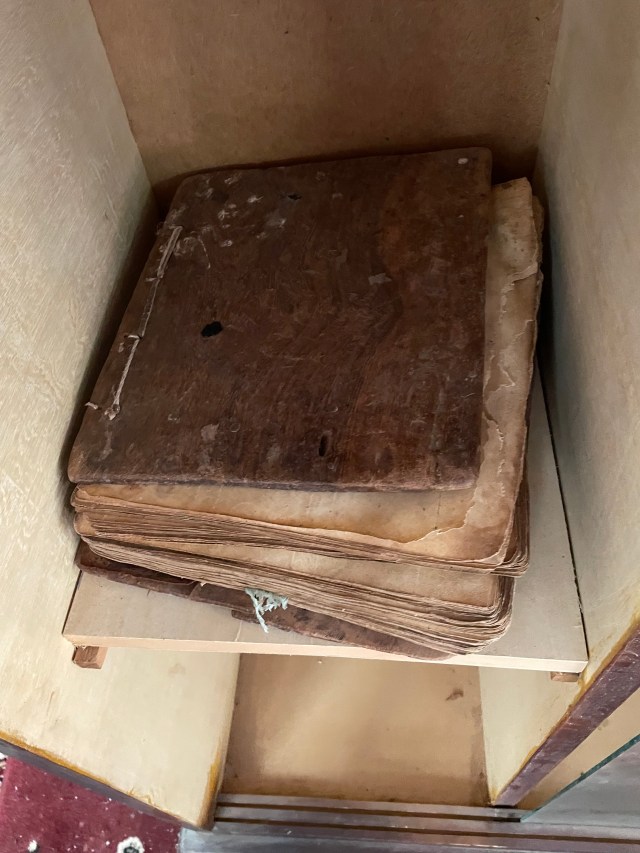
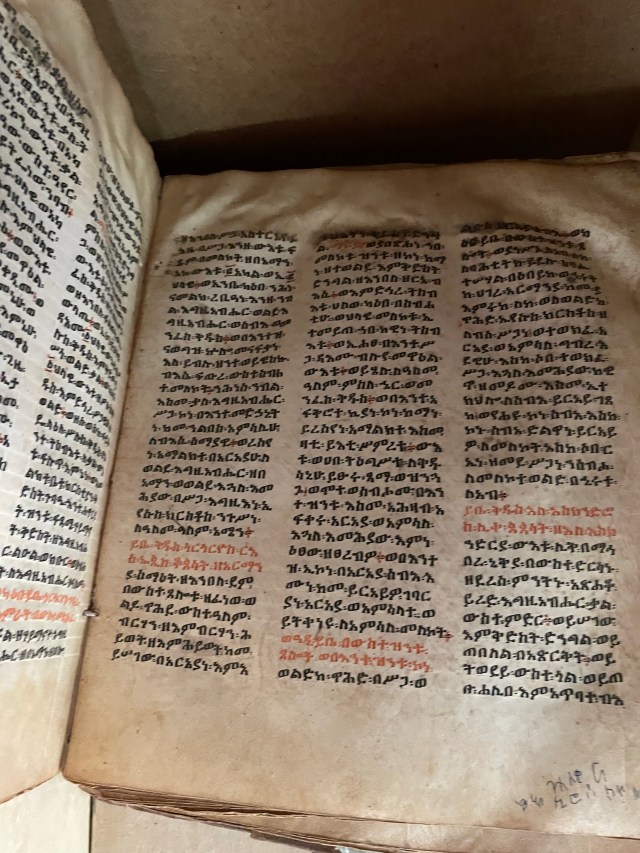
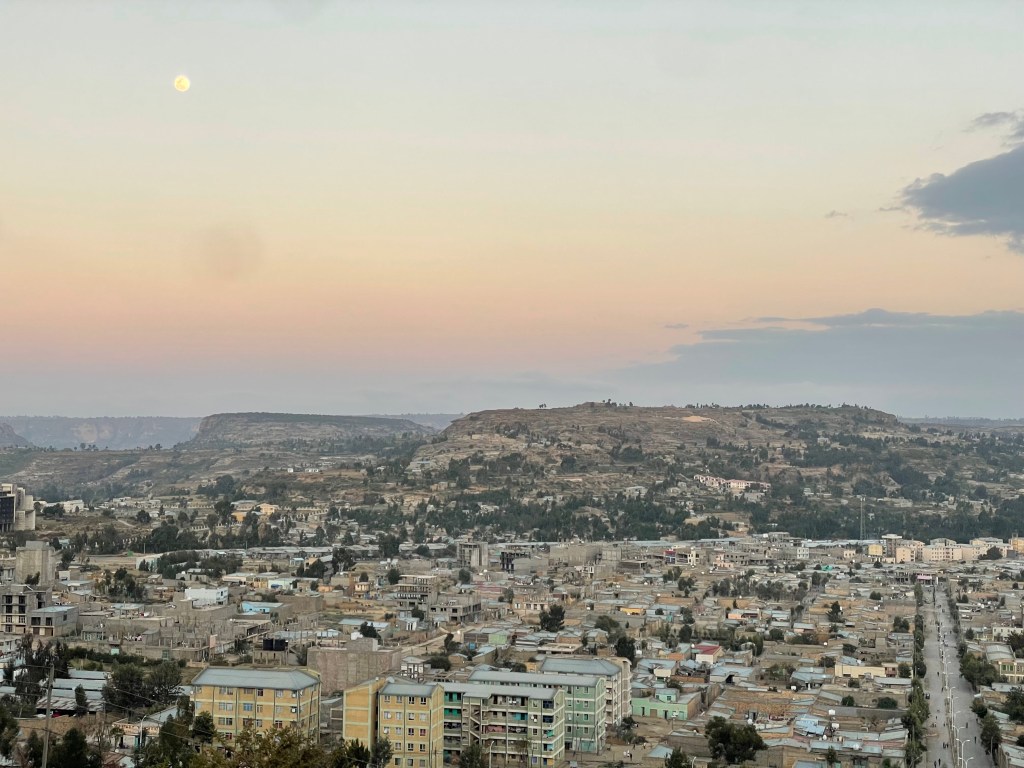
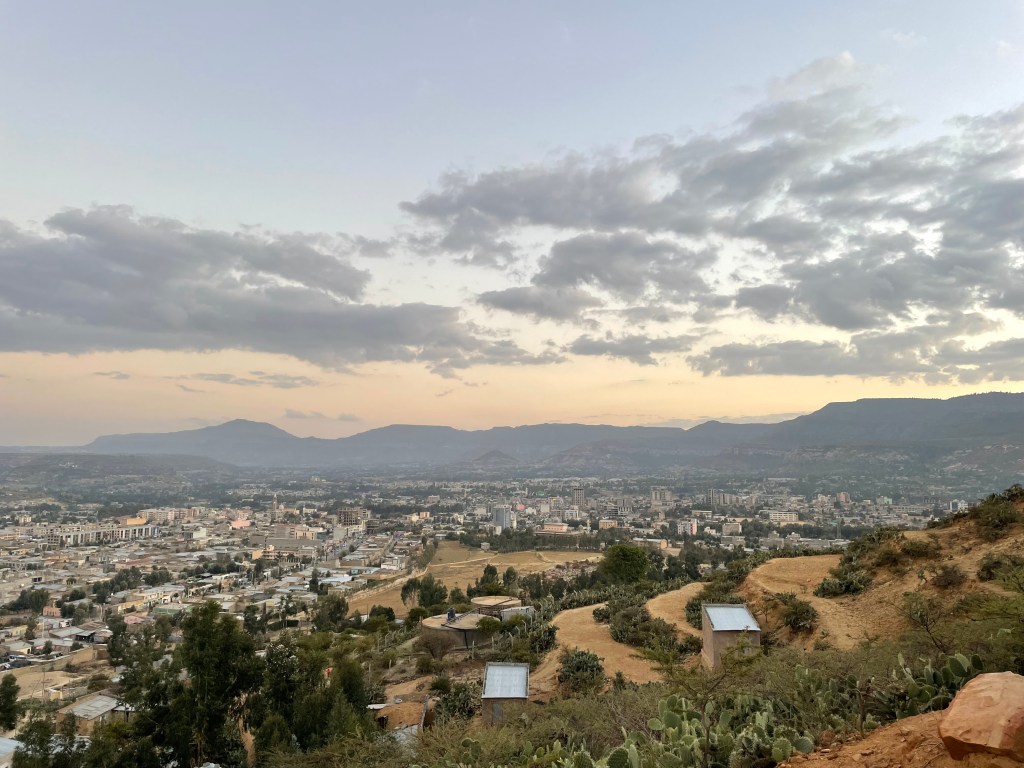
We then drove on to Adigrat where we spent the night. Both Wukro and Adigrat were severely looted during the war. Many buildings were damaged. Driving through, you wouldn’t be able to tell. The street side vendors are all open, the sidewalks full and the damaged buildings covered with wood scaffolding. There were no burned out artillery and tanks on the road, which we heard were still visible in numbers as recently as last April.
- Updated Jan 30, 2024: Previous version incorrectly reported 1 room, 1 day week ↩︎
 Ethiopian Diaspora Surgery Network
Comments are closed.