Tuesday Jan 24
This is one of a five part series of a visit to Mekelle, Tigray and Addis Ababa in January 2024. Below are links to the series, or you can just follow the “next” and “previous” links at the bottom. You can send a message to the author here.
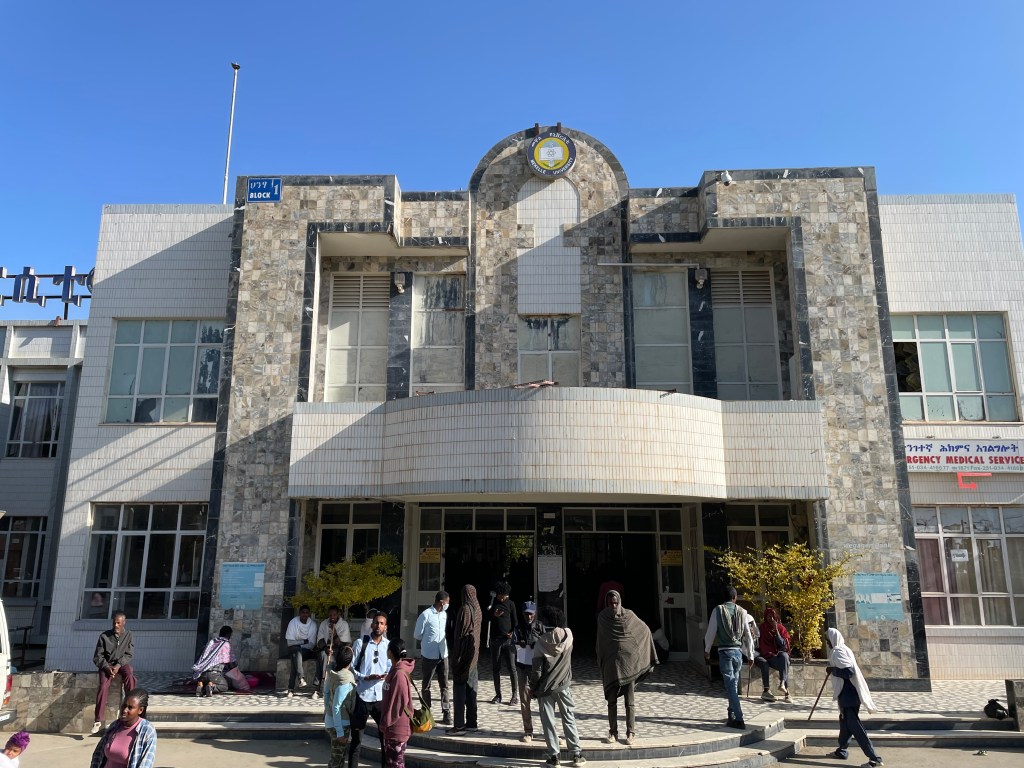
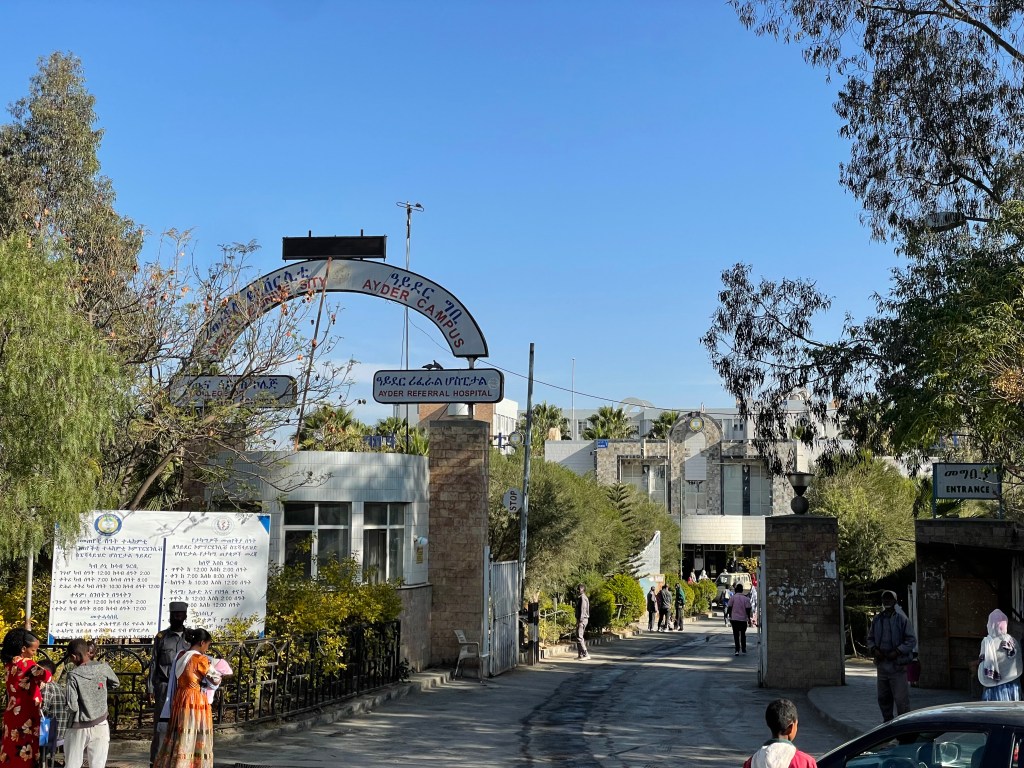
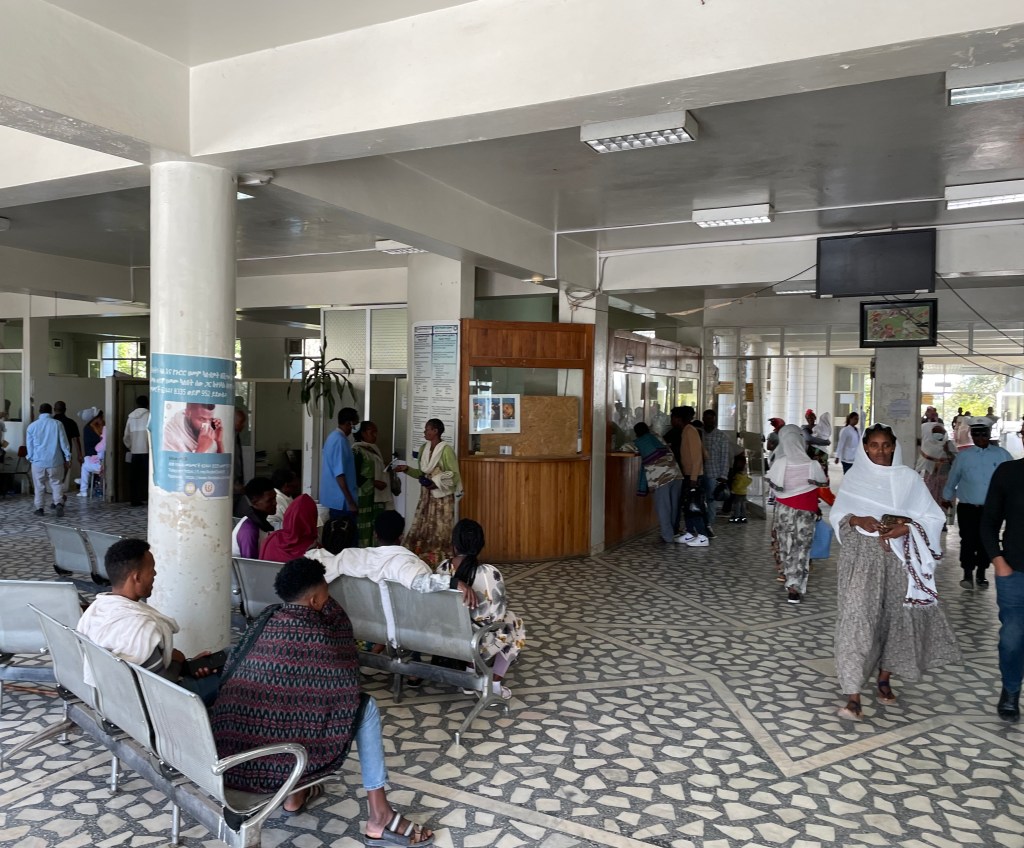
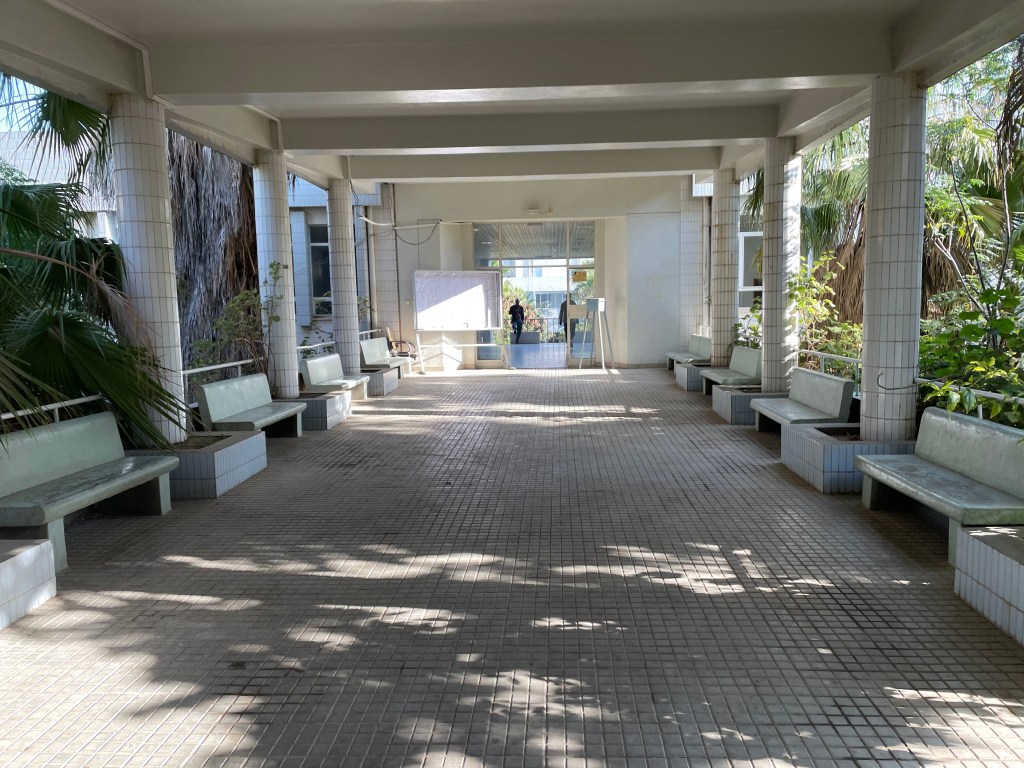
In the morning, all of us went to Ayder hospital with Dr Getahun. Once there we divided up, with Azeb, Leah and Yasmina joining head nurse Sister Eden, and myself with Dr Getahun. The two of us went directly to wards where there was the conference room. Dr Kinfe was there, who was introduced as the pioneer of orthopedics at Ayder. I gave a talk to the residents, who were attentive although asked no questions. Dr Getahun said they see a lot of bone tumors, benign and malignant, and many soft tissue sarcomas. All biopsies are open. The osteosarcoma patients all get amputation but very few survive since they all present with advanced disease.
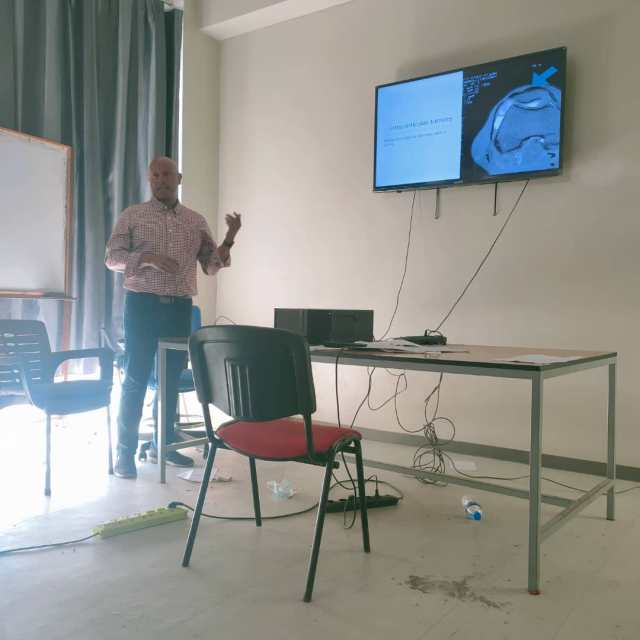
Leaving the wards, we were stopped by some of the residents who presented a case of an osteochondroma that they resected It was a sessile lesion on the femur, which I shared they could have probably left alone. .
Afterwards, we walked to the office Dr Kibrom, CEO of Ayder hospital.
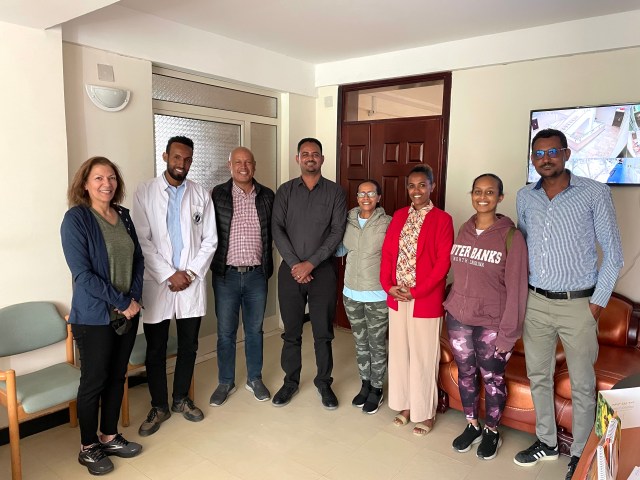
Dr Kibrom was very pleasant. A few minutes after we sat down, Azeb and the rest joined us. We talked in the general terms about partnerships between Ayder and other institutions in Europe and US. There was a regular flow of visiting docs which stopped with the war. The first to return as soon as the war ended was Dr Josh (from Mayo ?) who does ENT/maxillofacial surgery. He had worked at Ayder for ~1 yr before the war. They have spoken with Dr Ayoda about partnering with Hopkins and just signed an MOU with Mayo Clinic Rochester.
He spoke about the incredible support Ayder has had thanks to Dr. Senait. Through her work at the Buffett foundation, they have received supplies and equipment worth millions of dollars. Before (after?) the war, they received portable housing for mothers who have delivered, large volumes of hospital clothing (?) and laundering machinery. Since the war, they have received 200 ambulances. The list was actually longer, but I don’t recall the rest. It was impressive.
We asked about laboratory services. Dr Kibrom called laboratory the “backbone” of a hospital. He said they have the machinery but keeping reagents stocked is continuing challenge. All services are provided free of charge to the patients but reagents are expensive. If they could charge even a little bit, laboratory services might be able to become self sufficient.
Returning to our hotel, we crossed through center of town. The hustle and bustle was impressive. The outdoor market was packed with vendors, with vegetables and other foods colorfully displayed. Three wheeled bajaj’s darting in all directions, like small animals. The recovery of the economy and the resilience of the people, just one year after peace came, is incredible.
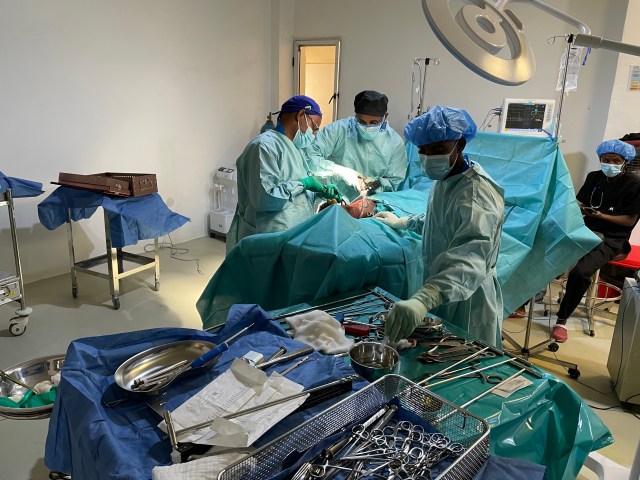
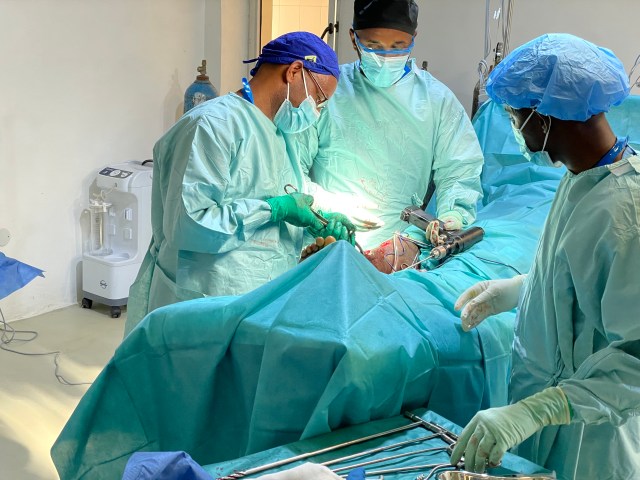
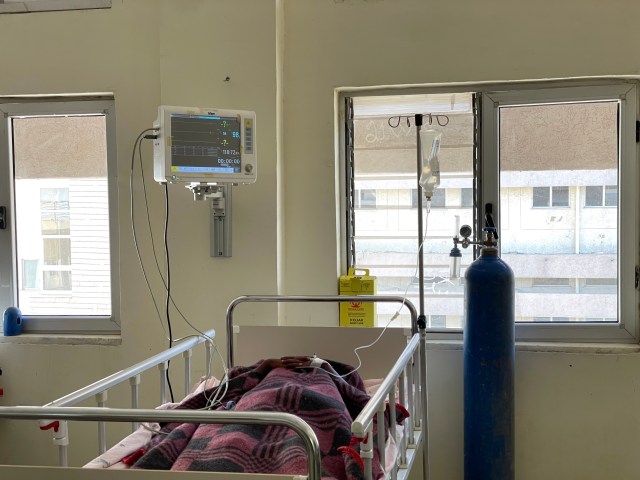
After lunch, we went to Awash military hospital in Mekelle. There is one other military hospital in town, which is smaller, and another ~2 facilities which are more long term housing/nursing care. At Awash, they have 4 operating rooms, which were spacious and clean. They had good surgical instruments, disposable drapes and gowns, and Indian power tools. We watched for a short time an open tibial nail being performed, using hand reamers to open the canal. The recovery room was well appointed, with beds and monitors for each patient.
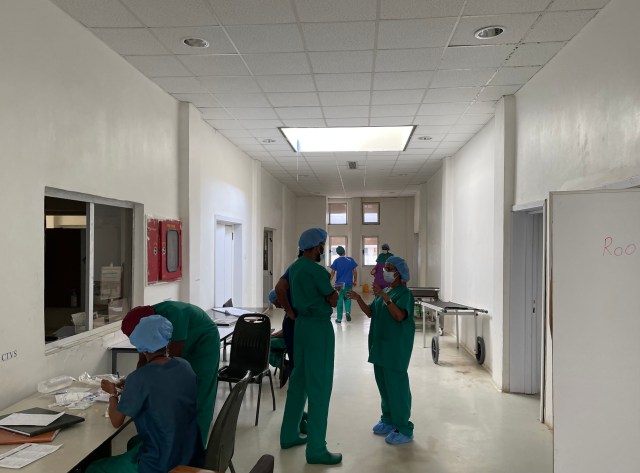
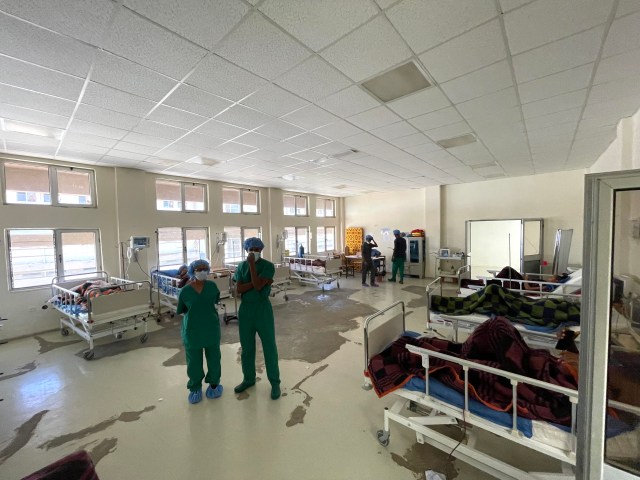
The outdoor hospital corridors were filled with patients on crutches and wheelchairs. Per Dr Getahun, “90%” of the patients are chronic orthopedic injuries from the war. There seemed to be a sense of community among the patients, so he said sometimes they resist being discharged, and often return after discharge as the hospital has become something of a second home. The average age is 22, many were university students before going to the war.
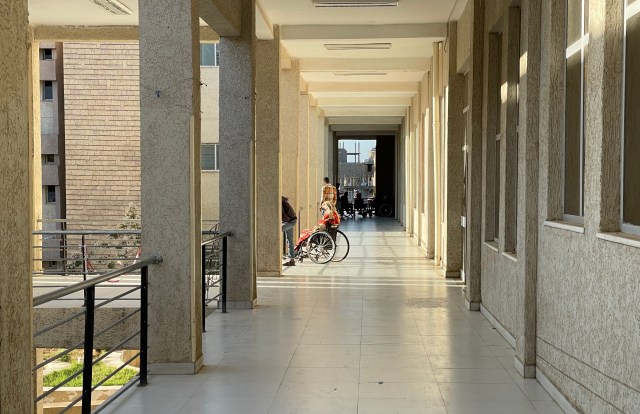
Outdoor corridors of Awash Military Hospital 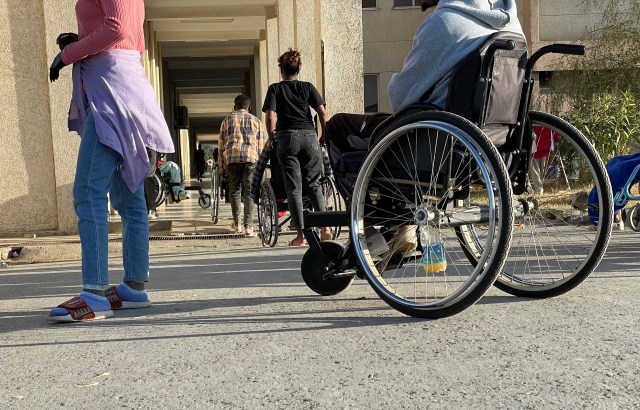
Patients socialize outside, some with friends pushing their wheelchairs
As we were leaving the OR, multiple patients came to us, with their xrays on their phones, asking what can be done. Two had infected non-unions, one in the femur and the other tibia. A third had a late infection of plate fixation distal tibia, with bone already united. Another had a distal humerus communited intraarticular fracture of the elbow with anklylosis of the joint in ~80deg of flexion. Dr Getahun was very patient and discussed their cases with each of them. He says they all get attention on the wards but are frequently seeking “second opinions.” There is a sense of frustration since many of them have waited months or more waiting for treatment.
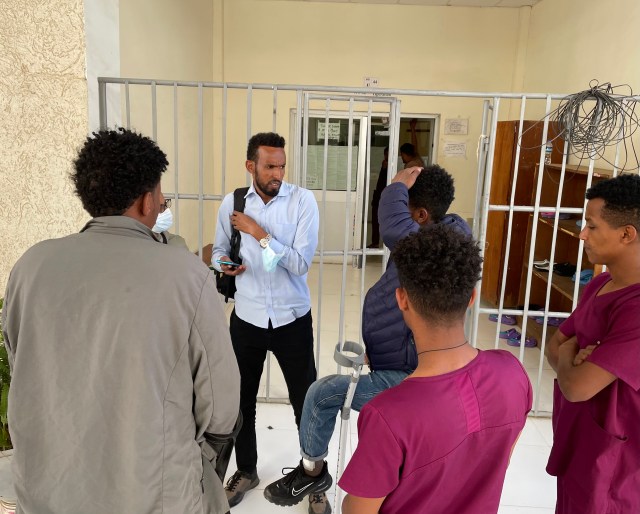
Dr Getahun surrounded by patients as leaving OR 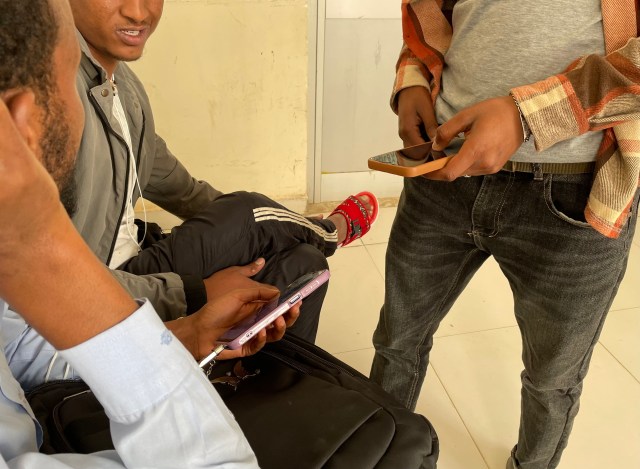
Patient have their xrays on their phones 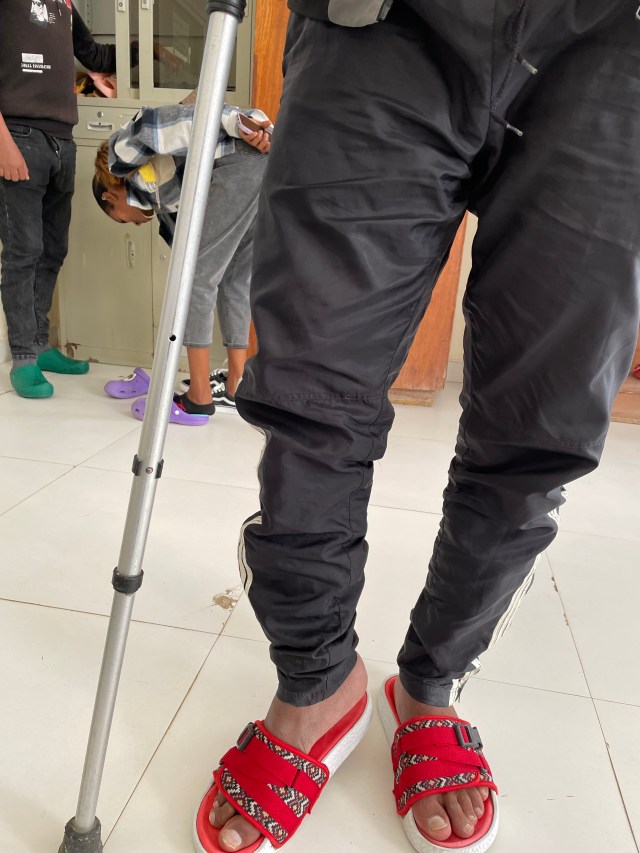
Patient with proximal femur gunshot injury, healing after multiple surgeries, bone grafting but with shortening 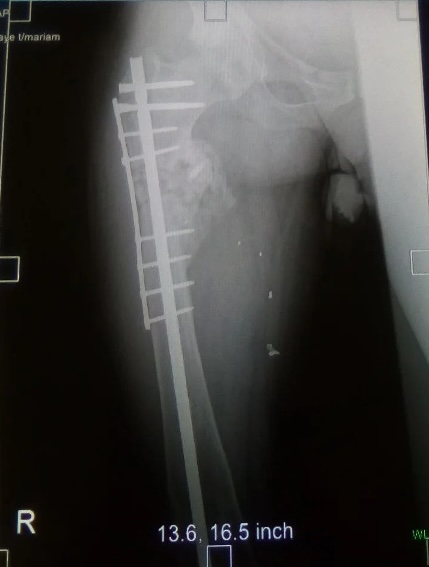
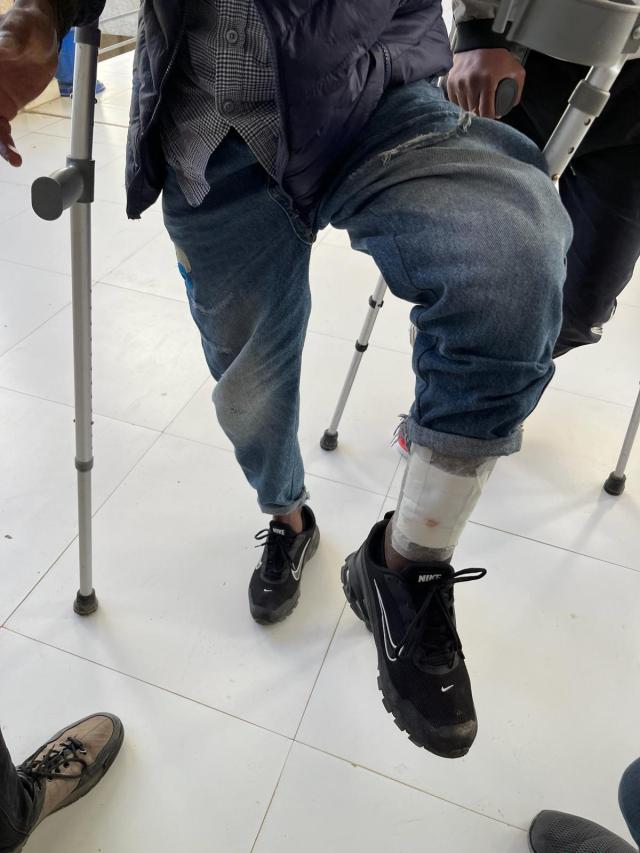
Patient with infected nail and draining sinus 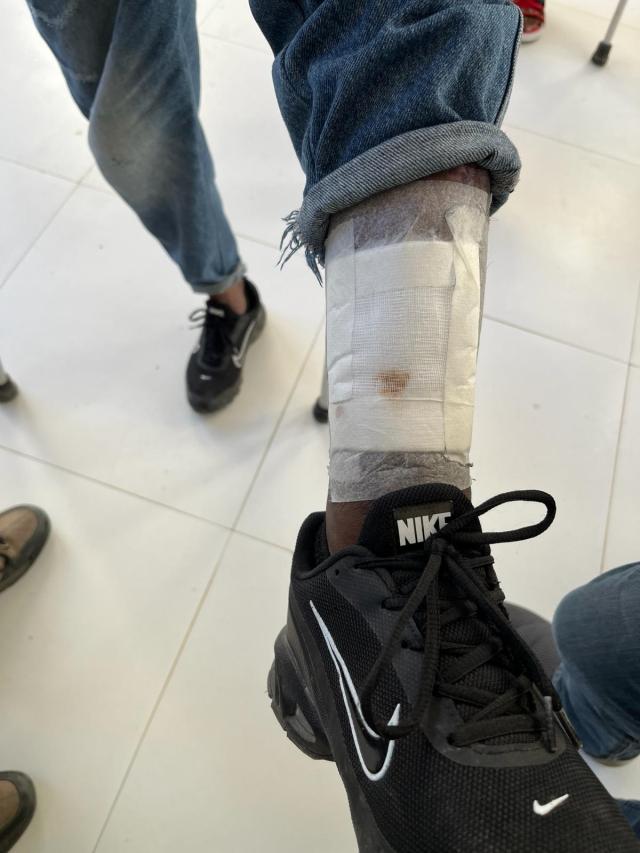
Patient with infected nail and draining sinus 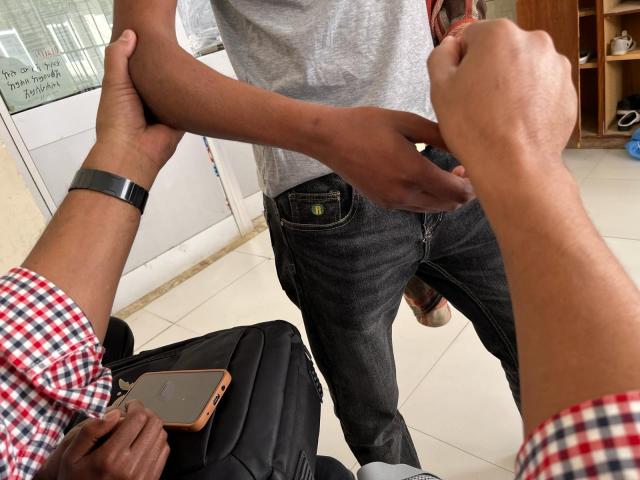
Examining patient with gunshot to elbow, anklyosis of ulnohumeral joint
 Ethiopian Diaspora Surgery Network