In an all-time great coincidence, I reconnected with my high school boss of 37 years ago – while sitting at a ministry office in Addis Ababa.
It was the end of my high school senior year in Bethesda MD and I was one of the few teenagers who knew how to program computers. My jobs until then were working in ice cream stores and delivering newspapers. But somehow I stumbled into my first indoor gig that summer as a programmer. With air conditioning even. It was for a startup called General Health whose founder was a kinetic physician turned entrepreneur named Jim Bernstein. My job was writing FORTRAN (!) code digesting personal health questionnaires to help improve employees’ wellness. It was the early 80’s and this concept, which is commonplace now, was far ahead of its time. The fate of the company was thus sealed.
I lost track of Jim after I went to college, but I never forgot him nor the conversations we had. I was just a kid then. I wish I could remember now what I was thinking then.
Fast forward nearly forty years and I’m sitting in the Ethiopian Federal Ministry of Health waiting to speak to an official about organizing diaspora surgeons to perform joint replacements in Ethiopia. While waiting my turn, a group of three come in and perform a demonstration of a seemingly magical device for the same official.
In brief, it is a gas sterilizer in a briefcase. The device is called Eniwhere and it can sterilize a tray of surgical instruments without electricity or water, and with almost no moving parts. You wash the instruments, close them inside the hard plastic case, stick a small glass cylinder to the side which emits nitrous dioxide. You wait 2-4 hours and voila, you have sterile instruments.
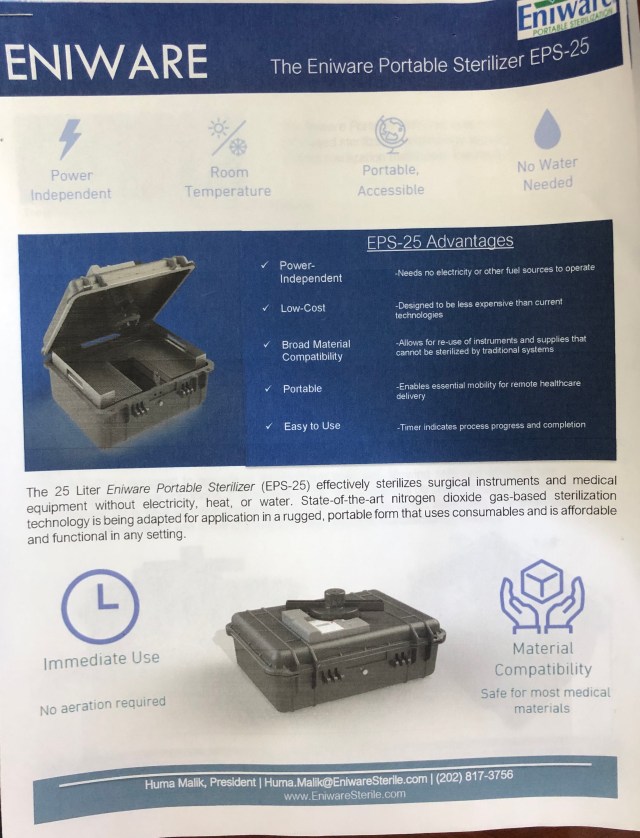
When they were done, I asked where this amazing device comes from and, as you might have guessed by now, it is from yet another company founded by the same Jim Bernstein. I was knocked out. If I had been there 30 minutes later…
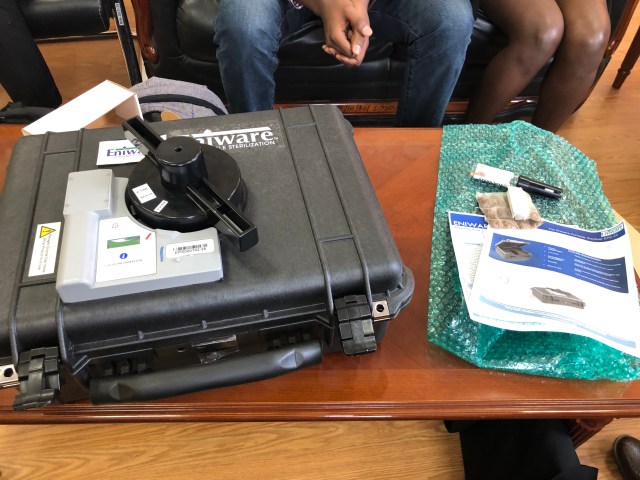
It is not hard to see the promise of Eniwhere for any rural health clinic where minor procedures are performed, or for that matter Caesarian sections. Even city hospitals with their electric steam autoclaves that are always breaking down could use them. To make the proposal exponentially more inviting, the company is offering to license the technology for private sector manufacturing in Ethiopia. The official wasted no time warmly endorsing the project.
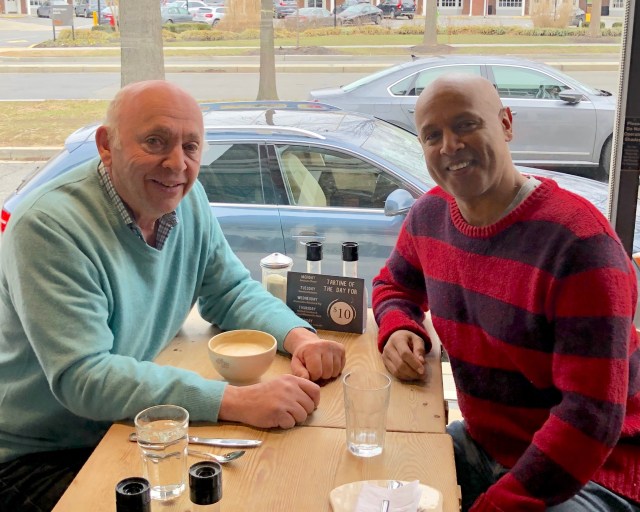
It wasn’t long after that that Jim and I met up for breakfast back home in DC (he’s still here). His energy and are enthusiasm are undimmed. Clearly, his penchant for skipping the small stuff and going after big problems still drives him. It wasn’t long before he was enchanting me with a vision of Ethiopia as a regional leader in medical device manufacturing. Somehow, I have a suspicion this reunion is going places.
 Ethiopian Diaspora Surgery Network